
The Advantages of Exterior Composite Wood Cladding
Exterior composite wood cladding has emerged as a leading choice for builders and architects looking to enhance the aesthetic appeal and functionality of their structures. This innovative material combines the beauty of traditional timber with the durability and low maintenance of engineered products. As an OEM customization specialist in a WPC factory, I can attest to the numerous benefits our clients experience when opting for exterior composite wood cladding. From various design possibilities to long-lasting performance, this material offers a range of advantages that contribute to both the building’s longevity and the satisfaction of its occupants.
Custom Solutions Tailored to Client Needs
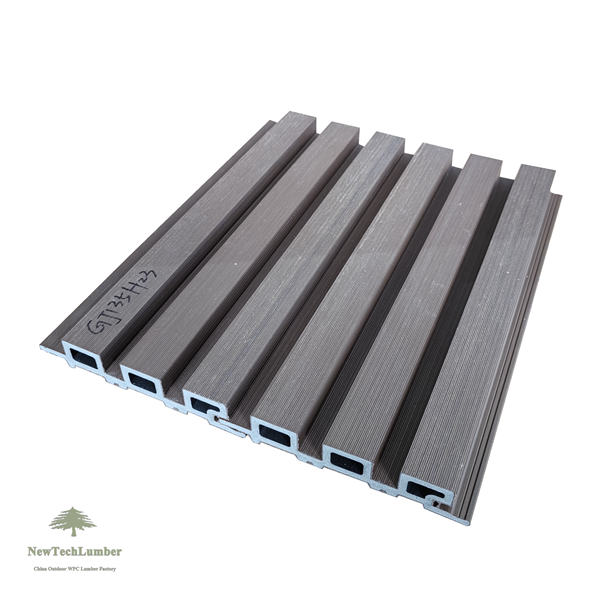
One of the most significant benefits of exterior composite wood cladding lies in its customizability. Manufacturers like us offer a wide array of profile dimensions that can be tailored to suit specific architectural requirements. Whether a client seeks a sleek contemporary look or a more rustic appearance, we can provide cladding that aligns perfectly with their vision. Custom dimensions not only enhance the design but also ensure a precise fit, contributing to both aesthetic and structural integrity.

Beyond dimensions, colour selection plays a pivotal role in the appeal of exterior cladding. Our factory provides an extensive palette, allowing clients to choose hues that complement their brand identity or fit harmoniously within the surrounding environment. This flexibility in colour choices means that businesses can enhance their exterior image while ensuring the aesthetic coherence of their developments.
Surface Textures That Elevate Aesthetics
The texture of exterior composite wood cladding significantly influences its visual and tactile appeal. We offer a variety of surface finishes, from smooth, polished surfaces to more textured, wood-like finishes. This range allows architects and designers to create unique facades that stand out, thereby increasing the building’s curb appeal. Textured finishes not only enhance the aesthetic appeal but also provide practical advantages, such as improved grip and reduced slipperiness in wet conditions.
Special Applications for Diverse Environments
Exterior composite wood cladding is not just versatile in appearance but also in its applications. It is suitable for various environments, from coastal areas where resistance to moisture and salt is paramount to urban settings where durability against pollution is crucial. We can customize cladding solutions to meet specific environmental challenges, ensuring that the material will perform effectively over time. This adaptability makes it a preferred choice for a diverse range of construction projects, from residential homes to commercial enterprises.
Branding and Packaging Options
Another benefit of collaborating with a WPC factory is the ability to incorporate branding into the cladding product. Custom branding options can enhance the visibility of a business, making it easily identifiable. This is particularly valuable for commercial entities that want their build to reflect their brand ethos. Furthermore, we offer tailored packaging solutions that ensure the products arrive safely and in pristine condition, ready for installation. Custom packaging not only protects the cladding but also reinforces the client’s brand identity upon delivery.
Environmental Sustainability and Longevity
In today’s construction landscape, sustainability is a vital consideration. Exterior composite wood cladding is often made from recycled materials, making it an eco-friendly choice for environmentally conscious projects. The production process typically uses fewer resources than traditional timber, reducing overall environmental impact. Additionally, the durability of composite wood means less frequent replacement, which contributes to its sustainability. Clients appreciate knowing that their choice of exterior cladding not only enhances their structures but also aligns with global sustainability goals.
Another aspect of longevity lies in the maintenance requirements. Exterior composite wood cladding is designed to withstand harsh weather conditions, resist fading, and avoid warping and cracking, which are common issues with traditional wood. This resilience translates into lower long-term costs for building owners, who can save on repairs and replacements over the lifespan of the material. The durability of exterior composite wood cladding, combined with its low maintenance requirements, makes it a financially sensible choice for any construction project.