
Composite Decking Versus Natural Wood
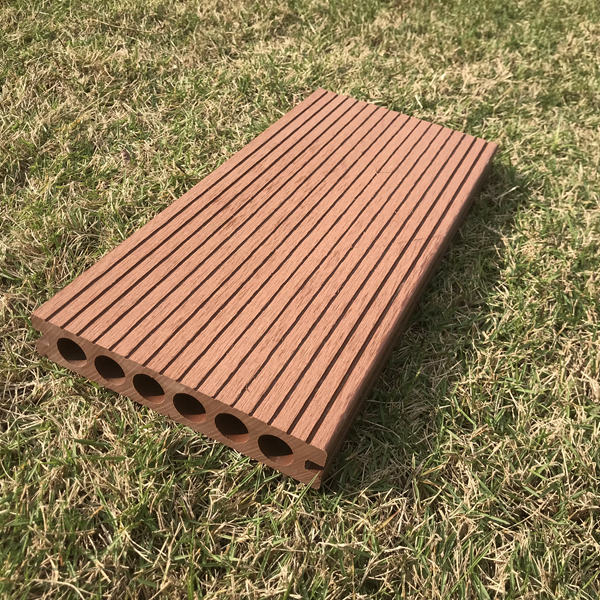
Composite decks, primarily made from wood plastic composites (WPC), have gained significant traction as a preferred choice for outdoor applications. Unlike traditional natural wood, composite decking boasts an impressive resistance to environmental factors such as moisture, UV rays, and insect infestations. This results in a longer lifespan, often exceeding 25 years, without the need for the frequent maintenance that natural wood demands. While the allure of untreated wood lies in its authenticity and natural grain patterns, the reality is that it requires regular staining and sealing to maintain its appearance and structural integrity.
Moreover, composite decking eliminates the risk of splintering, warping, or cracking, which can plague natural wood over time. This advantage not only enhances safety but also preserves the aesthetic appeal throughout its lifecycle. However, the initial cost of composite materials is typically higher than that of natural wood. Nevertheless, when factoring in the reduced maintenance and replacement costs, the long-term financial benefits become clear.
Comparing Composite Decking to Traditional Timber
Traditional timber, an age-old choice for outdoor structures, offers a certain charm and warmth that many homeowners cherish. However, like natural wood, traditional timber is not without its flaws. It is susceptible to rot, decay, and insect damage, which necessitates periodic treatments and replacements. In contrast, composite decking stands strong against these adversities, requiring minimal upkeep beyond occasional cleaning. The durability of composite materials makes them an appealing choice for those who wish to enjoy their outdoor spaces without the burden of constant maintenance.
Moreover, traditional timber often contributes to environmental concerns due to deforestation and the depletion of natural resources. On the other hand, many composite decking options incorporate recycled materials, offering a more sustainable solution for eco-conscious consumers. This environmentally friendly aspect further enhances the appeal of composite decks for modern outdoor applications.
Advantages of Composite Decking Over Aluminium
Aluminium decking has emerged as another contender in the outdoor material market, known for its strength and resistance to corrosion. However, while aluminium does provide a durable surface, it often falls short in terms of comfort. Composite decking offers a warmer surface underfoot, making it more pleasant for bare feet during hot weather. Additionally, composite materials provide better slip resistance compared to aluminium, enhancing safety for family gatherings or outdoor events.
Moreover, composite decking allows for a wider range of design flexibility. It can be moulded into various shapes, colours, and textures, providing a creative canvas for designers and homeowners alike. Aluminium may offer a sleek, modern aesthetic, but it lacks the natural look and feel that composite decking can provide, making it less appealing for residential applications where warmth and aesthetics are paramount.
Maintenance and Lifecycle Costs
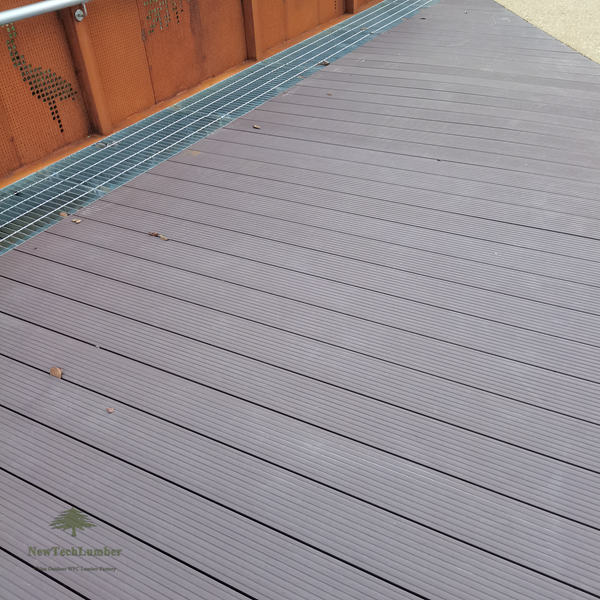
Maintenance requirements significantly differentiate composite decking from other materials. While natural wood requires staining, sealing, and frequent inspections for damage, composite decking typically only necessitates an occasional wash with soap and water. This ease of maintenance is particularly appealing to busy homeowners or commercial establishments looking to optimise their outdoor spaces without excessive labour.
Regarding lifecycle costs, the investment in composite decking can be recuperated over time due to the lower maintenance requirements and enhanced longevity. Although the initial outlay may be higher than other materials, the reduced need for repairs and replacements presents a compelling case for its economic viability. Furthermore, many manufacturers now offer extensive warranties on composite decking, providing additional assurance regarding its durability and performance.
Environmentally Friendly Options
The growing emphasis on sustainability has led to an increase in the production of eco-friendly composite decking options. Many manufacturers focus on sourcing materials from recycled plastics and wood fibres, significantly reducing the environmental impact associated with traditional timber production. This commitment to sustainability not only meets the demands of environmentally conscious consumers but also promotes responsible resource management.
Moreover, the long lifespan of composite decking contributes to its sustainable appeal. By reducing the frequency of replacements and the associated waste, composite materials can play a role in minimising landfill contributions. As the construction industry continues to evolve towards greener practices, the adoption of composite decking is likely to grow, further solidifying its position as a leading choice for modern outdoor applications.