
Durability of Plastic Wood Floors
Plastic wood floors, or WPC (Wood Plastic Composite) flooring, are increasingly chosen for modern outdoor spaces due to their exceptional durability. Unlike traditional timber, which can warp, split, or suffer from insect damage, WPC materials offer longevity without the need for extensive maintenance. This resilience makes them an ideal option for outdoor environments that must withstand varying weather conditions and heavy foot traffic. Landscape architects and designers appreciate how these materials maintain their appearance and structural integrity over time, allowing for beautiful, functional spaces that remain attractive for years.
Furthermore, the longevity of plastic wood flooring translates into cost savings over the product’s lifespan. Maintenance costs associated with conventional wood decking can quickly accumulate, with regular staining, sealing, and repairs often necessary. In contrast, WPC requires minimal upkeep, often just a simple cleaning with soap and water, making it not only a practical choice but also a financially sound investment for clients looking to enhance their outdoor areas.
Low Maintenance Requirements
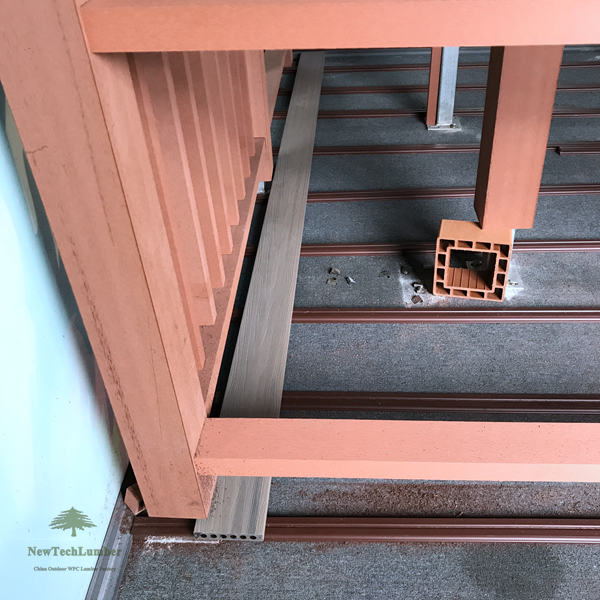
Another compelling advantage of plastic wood flooring is its low maintenance requirements. Architects and landscape designers are increasingly tasked with creating outdoor spaces that not only look stunning but are also easy to care for. WPC materials eliminate the frequent upkeep associated with natural wood, such as sanding and refinishing. This low maintenance nature aligns perfectly with the modern lifestyle, where homeowners prefer to spend their time enjoying their outdoor spaces rather than labouring over them.
This ease of maintenance is particularly beneficial for public spaces, such as parks and commercial areas, where durability and appearance must be upheld without the need for constant supervision. By selecting WPC materials, designers can ensure that their installations remain functional and appealing with minimal intervention, a key consideration in busy urban environments.
Design Versatility
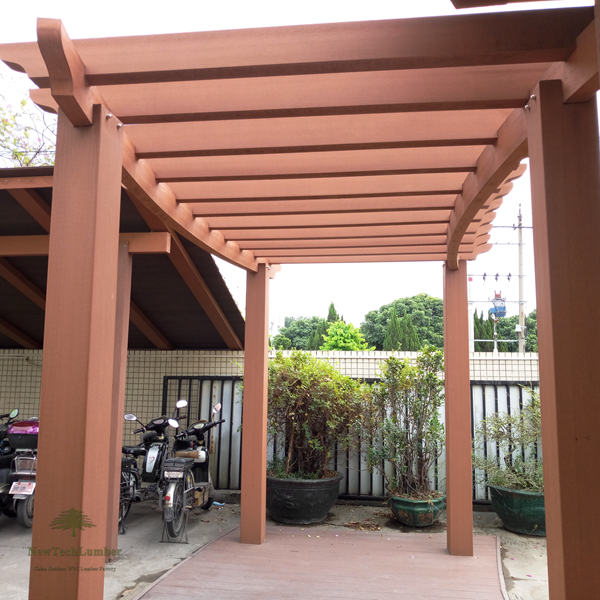
Plastic wood flooring offers a remarkable versatility in design, allowing architects and landscape designers to unleash their creativity. Available in a variety of colours, textures, and finishes, WPC can mimic the look of natural wood while providing the benefits of synthetic materials. This adaptability means that designers can incorporate plastic wood floors into a range of styles, from contemporary to rustic, seamlessly integrating them with other elements of the landscape.
Moreover, WPC can be cut and shaped easily, enabling custom designs that fit specific project needs. Whether creating intricate patterns or accommodating unique spaces, the flexibility of plastic wood flooring provides endless possibilities, allowing for tailored solutions that enhance the overall aesthetic of the outdoor environment.
Sustainability Considerations
This eco-friendly aspect aligns well with the increasing emphasis on green building practices, allowing designers to present their projects as environmentally responsible choices. The ability to promote a sustainable product enhances the overall appeal of their designs, particularly in urban areas where green initiatives are highly valued.
Project Considerations and Material Selection
When considering plastic wood floors for outdoor projects, several factors should influence material selection. The intended use of the space is paramount; areas with high foot traffic may require more robust options within the WPC spectrum to ensure lasting performance. Similarly, climate conditions can dictate the choice of specific products, as some WPC materials are engineered to resist fading or warping under extreme weather conditions.
Additionally, it is essential to evaluate the performance of the plastic wood flooring in terms of slip resistance, particularly in wet environments. Many manufacturers provide detailed specifications that can assist designers in making informed decisions tailored to their projects. Collaborating closely with suppliers ensures that the selected WPC products not only meet aesthetic goals but also meet safety and performance standards, further enhancing the functionality of the outdoor spaces being created.