
Export Packaging Starts with Material Risk
For factories supplying outdoor WPC decking, wall panels and profiles to overseas markets, packaging is part of product quality rather than an afterthought. Long distance ocean transport exposes finished profiles to vibration, stacking pressure, humidity, temperature changes and repeated handling at ports and warehouses. As a packaging engineer, the objective is to ensure that boards leaving the extrusion line arrive with the same straightness, surface finish and dimensional accuracy expected by the buyer.
Factories working with recycled plastic lumber suppliers must also consider how the material behaves during storage and transport. WPC products combine wood fibre with recycled polymers, and their density, surface texture and profile geometry can vary according to the formulation. Packaging specifications therefore need to reflect actual product characteristics. A thick hollow decking board requires different support from a narrow solid trim profile, while a long wall panel may need additional protection against bending during container loading.
Packaging Design for WPC Decking Boards
Decking boards are commonly packed into stable bundles with protective layers between the product and external strapping. Engineers select separators according to board surface texture and profile shape so that friction does not create marks during vibration. Corner protection is particularly important because exposed board ends can be damaged by forklift contact or pressure from adjacent bundles. The packaging should hold each bundle firmly without applying excessive compression to the edges.
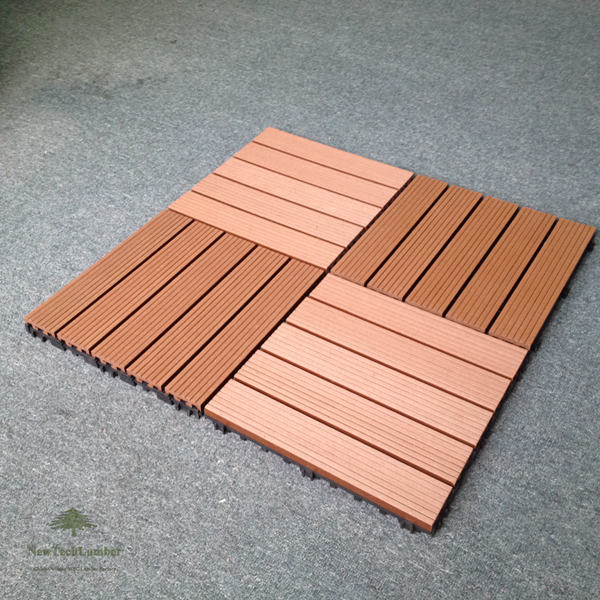
Bundle dimensions are also calculated around the internal dimensions of the export container. Efficient loading can reduce unused space, but excessive density can increase the risk of deformation. Wooden pallets, reinforced cardboard bases or engineered support frames may be selected according to destination requirements and product weight. Where timber packaging is used, factories need to meet applicable international treatment and marking requirements. Packaging engineers also check the centre of gravity of each bundle so that lifting remains stable during container handling.
Protection for Wall Panels and Decorative Profiles
WPC wall panels often have visible decorative surfaces that are more vulnerable to scratches, scuffing and pressure marks than structural components. Factories can place a soft protective film over finished faces, add separators between panels and use reinforced outer cartons or protective sleeves around complete bundles. The packaging must prevent movement inside the carton while avoiding adhesive contact that could affect the surface finish during prolonged storage.
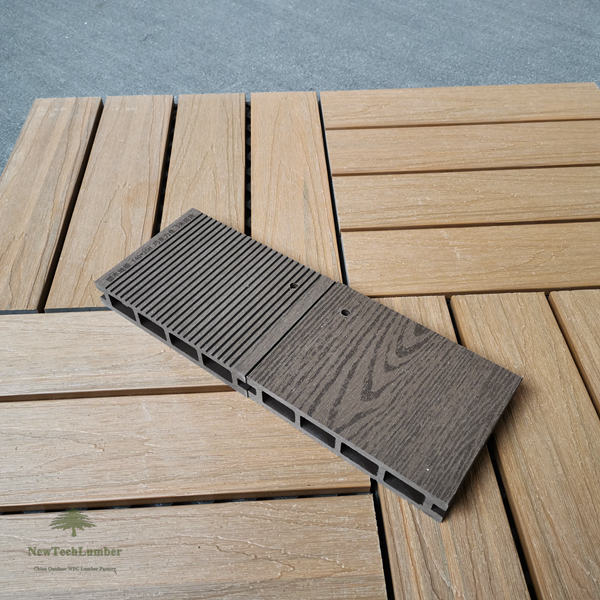
Profiles create a different packaging challenge because their cross sections can include clips, grooves, hollow chambers or narrow projecting edges. Long profiles need regular support points to limit bending during transport. A packaging engineer may specify internal spacers and end protection so that profiles remain aligned even when several bundles are stacked. Labels should identify product dimensions, quantity, batch information and handling orientation clearly, allowing warehouse teams to check shipments without opening every package.
Container Loading and Ocean Transport Controls
Export packaging is designed around the complete logistics chain, not simply the factory loading area. Before a container is sealed, bundles should be arranged to prevent direct contact with container walls where condensation and temperature changes can create moisture exposure. Load plans take account of weight distribution, stacking height and access for unloading. Blocking and bracing materials can reduce lateral movement when containers experience acceleration, braking and vessel motion.
Factories supplying international customers may carry out trial loading before approving a packaging specification. This helps identify pressure points, unstable bundle arrangements and unused container volume. Desiccant materials can be considered for routes or storage conditions where moisture presents a significant risk, although they should complement rather than replace suitable outer packaging and ventilation practices. Photographic records of loading can also support quality control and provide evidence of how the shipment was secured before departure.
Packaging Quality Checks Before Shipment
A reliable export packaging system requires inspection criteria just as the WPC product itself does. Quality teams can check bundle dimensions, strap tension, protective material placement, carton strength, pallet condition and label accuracy before goods enter the container. Random opening inspections can verify that internal separators have not shifted and that finished surfaces remain protected.
Packaging performance should also be reviewed through customer feedback. Repeated reports of chipped corners, crushed cartons, shifted bundles or scratched surfaces indicate that the packaging specification needs adjustment. Factories can then modify support spacing, protective layers, carton thickness or strapping methods and compare the results with previous shipments. This continuous approach helps recycled plastic lumber suppliers and WPC manufacturers reduce avoidable claims while maintaining consistent export presentation.
Sustainable Packaging for International WPC Supply
Sustainability does not stop with the recycled content of WPC products. Packaging engineers can reduce waste by selecting recyclable cardboard, reusable separators and appropriately sized protective materials rather than excessive layers. Packaging should still provide enough mechanical protection to prevent damaged products from becoming waste, since replacing a damaged shipment carries additional material, energy and transport costs.
For international WPC factories, the strongest packaging solution is one that balances protection, container utilisation, handling efficiency and material consumption. Decking boards, wall panels and profiles each require packaging based on their geometry and surface characteristics. By testing bundle structures, controlling container loading and refining protective materials through shipment data, manufacturers can deliver sustainable WPC building solutions with greater consistency from factory floor to overseas project site.