
Plastic Wood Veneer Formula Design for Outdoor Applications
As a WPC formulation development engineer, I approach outdoor product design by matching the material formula with the final application environment. Gardens, hotels, parks, and balconies each create different demands for decking, wall cladding, fencing, pergolas, and landscape products. A successful plastic wood veneer solution starts with controlling the interaction between wood fibres, polymer content, processing aids, and weather-resistant additives.
The wood fibre component provides natural texture, stiffness, and a timber-like appearance, while the plastic phase protects the composite from moisture absorption and biological degradation. For outdoor decking, a higher wood fibre ratio can improve rigidity and surface feel, but excessive fibre may increase water uptake and reduce dimensional stability. The formulation must achieve a practical balance rather than simply maximising one ingredient.
Balancing Wood Fibre and Plastic Ratios for Product Performance
Different WPC products require different fibre and plastic proportions. Decking boards often need higher impact strength and load resistance, so the formula may include carefully selected wood powder with a polymer structure that supports long-term outdoor exposure. Wall cladding and fencing panels require strong colour retention and resistance to temperature changes, making polymer protection and surface stability important factors.
For pergolas and landscape structures, the formulation must consider structural strength, screw holding performance, and resistance to repeated expansion and contraction. A well-developed WPC compound normally combines recycled or virgin plastic materials with treated wood fibres, creating a material that keeps the appearance of natural wood while reducing maintenance requirements. The correct ratio also helps manufacturers control raw material costs without sacrificing service life.
Additives That Improve Outdoor WPC Durability
Additive selection determines how well a WPC product performs after years of exposure. Lubricants support smooth extrusion and reduce processing problems, while coupling agents improve the connection between wood fibres and plastic molecules. Without effective bonding, the composite may suffer from surface cracking, poor mechanical strength, and moisture-related issues.
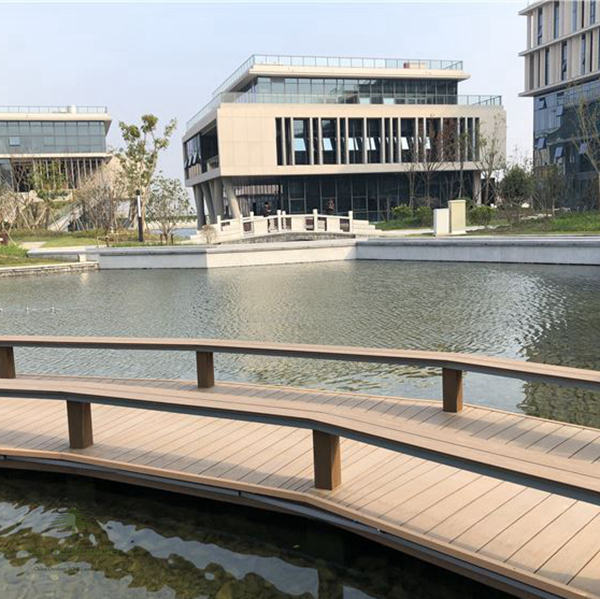
UV stabilisers, antioxidants, and weathering modifiers are essential for products installed in open outdoor areas such as hotel gardens, public parks, and residential balconies. Pigments must also be carefully selected because colour stability affects customer expectations for decorative applications. A premium plastic wood veneer appearance depends not only on embossing and surface treatment but also on the internal chemical stability of the formula.
Cost Control Without Reducing WPC Lifespan
WPC manufacturers face constant pressure to create competitive pricing while maintaining reliable performance. Formula development requires evaluating every material choice, including fibre source, polymer grade, additive dosage, and processing efficiency. Reducing cost by lowering polymer quality or removing essential stabilisers can create higher expenses through product failures, warranty claims, and customer dissatisfaction.
A professional formulation strategy uses testing data to identify the most efficient composition. Mechanical testing, water absorption analysis, accelerated ageing tests, and extrusion trials help determine whether a formula can meet commercial requirements. For international projects, especially hotels and landscape developments, predictable lifespan and consistent production quality are often more valuable than the lowest initial material cost.
WPC Formula Requirements for Different Project Environments
Outdoor applications vary significantly depending on climate, installation method, and expected usage. Coastal balconies require stronger resistance against humidity and salt exposure, while park decking must handle frequent foot traffic and changing weather conditions. Hotel landscape projects often demand refined surface textures, stable colours, and a premium wood-like finish.
As an engineer, I work closely with designers, extrusion teams, and quality inspectors to adjust formulations according to these requirements. The same basic WPC technology can be modified for decking boards, decorative wall panels, privacy fences, pergolas, and other landscape products. This flexibility allows manufacturers to develop customised materials for different markets while keeping production efficiency under control.
Future Development of High Performance Outdoor WPC Materials
The future of WPC formulation focuses on improving sustainability, durability, and design flexibility. More manufacturers are studying recycled polymers, renewable fibre sources, and advanced additive systems that reduce environmental impact while maintaining outdoor performance. These developments support the growing demand for sustainable building materials in commercial and residential projects.
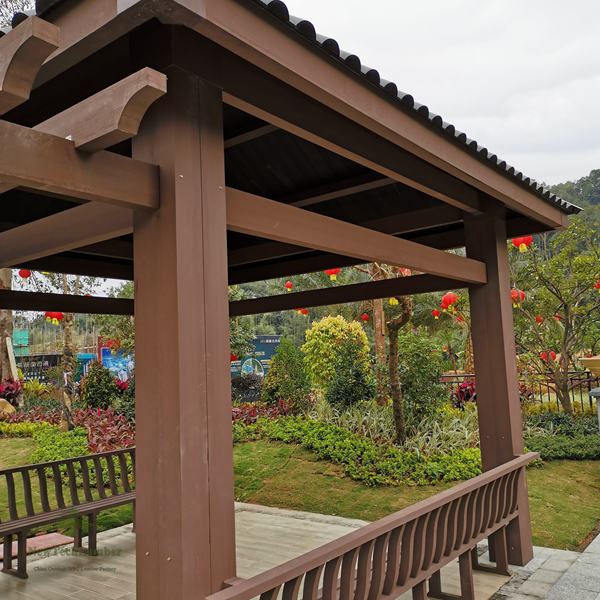
High-performance plastic wood veneer products will continue to evolve through better extrusion technology, refined formulas, and closer cooperation between engineers and end users. By carefully balancing wood fibre content, plastic ratio, additives, cost targets, and expected lifespan, WPC producers can create reliable solutions for gardens, hotels, parks, balconies, and modern architectural spaces.