
Ipe Vs Composite Decking Cost for Global Buyers
As an international sales manager from a Chinese outdoor WPC manufacturer, I often receive enquiries from distributors, contractors and project developers comparing ipe vs composite decking cost before selecting a long term supplier. The price difference is not only related to the board itself. Buyers need to consider raw material stability, production capacity, shipping efficiency, maintenance requirements and the supplier’s ability to provide customised solutions.
Ipe hardwood is recognised for its natural appearance and high density, but overseas buyers must account for sourcing limitations, colour variation, installation conditions and regular maintenance. Composite decking made from wood plastic composite materials provides a different value structure, combining recycled wood fibres, polymers and manufacturing control. A professional WPC factory can adjust formulas, colours, surface textures and profiles according to regional climate conditions and market demand.
Factory Evaluation Before WPC Purchasing Decisions
Selecting a reliable WPC supplier requires more than checking product photos or price quotations. Overseas buyers should evaluate the factory’s production lines, extrusion equipment, quality control procedures and experience with international orders. A qualified manufacturer should have clear systems for incoming raw material inspection, formula testing, production monitoring and final product inspection.
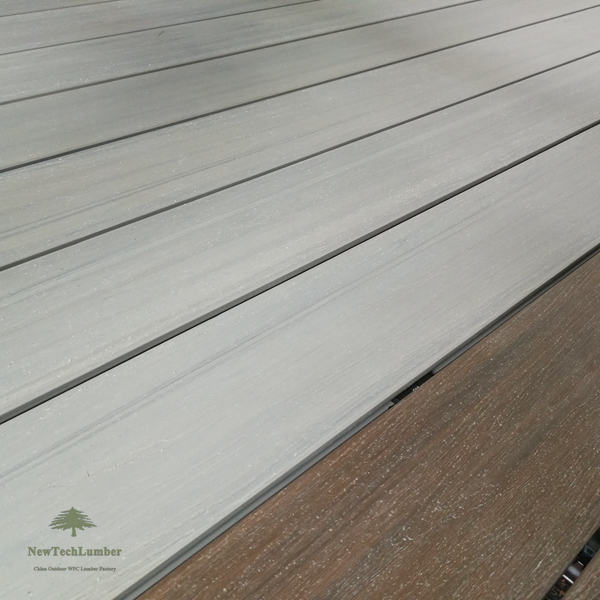
For buyers working with Chinese WPC manufacturers, factory visits or third party inspections can help confirm real production capability. Important details include annual output, mould development ability, packaging standards and export experience. A supplier that understands container loading methods, destination regulations and documentation requirements can reduce risks throughout international trade.
WPC Specifications and Custom OEM Development
Different projects require different decking specifications, so buyers should confirm every technical detail before placing an order. Board dimensions, hollow or solid structure, weight per metre, surface embossing, colour options, UV resistance and installation accessories should be clearly defined in the purchasing agreement. These details influence performance, appearance and final project cost.
Chinese WPC manufacturers with OEM capabilities can support custom projects for residential developments, commercial landscapes, hotels and public spaces. Custom mould production allows clients to create unique profiles, while formula adjustments can improve performance in locations with high humidity, strong sunlight or temperature changes. Close communication between the WPC formula development engineer, extrusion technology engineer and buyer helps achieve consistent results.
Quality Control and Risk Prevention in WPC Imports
International buyers should establish quality standards before production begins. A professional supplier should provide material specifications, test reports and sample approval procedures. Quality inspection supervisors normally check colour consistency, dimensional accuracy, surface quality, impact resistance and packaging condition before shipment.
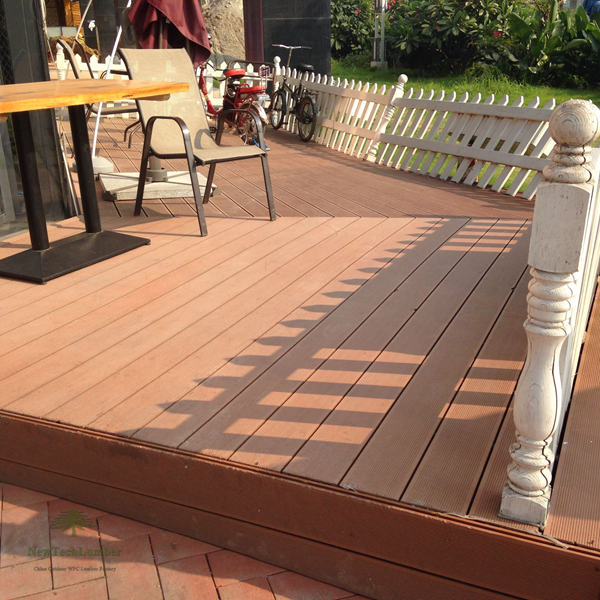
Common purchasing risks include unclear product descriptions, unstable colour batches, insufficient production capacity and poor after-sales communication. These problems can affect project schedules and customer satisfaction. Working with a manufacturer that has dedicated technical support and after-sales service engineers creates a stronger connection between production and overseas application requirements.
Building Long Term Partnerships with WPC Manufacturers
For international distributors and construction professionals, a WPC supplier should be viewed as a technical partner rather than only a product source. Reliable cooperation includes market feedback sharing, product improvement discussions and support for local promotion. A manufacturer with experience in multiple export markets can provide useful suggestions on packaging design, installation methods and product positioning.
The global demand for sustainable outdoor materials continues to increase as architects, landscape consultants and developers seek alternatives with lower maintenance requirements. Chinese WPC factories that invest in research, quality systems and customised manufacturing are prepared to support worldwide OEM projects. Careful supplier evaluation allows buyers to achieve predictable quality, competitive pricing and dependable cooperation for future developments.