
Composite Deck Inspiration in Modern Designs
Composite decking has emerged as a popular choice among architects and landscape designers striving to create modern outdoor environments. The unique blend of wood fibres and recycled plastic offers a solution that is not only aesthetically pleasing but also practical. When seeking composite deck inspiration, the versatility of these materials allows for innovative designs that can complement any architectural style. The use of WPC (Wood Plastic Composite) products can transform outdoor spaces into durable, engaging areas that cater to both functionality and visual appeal.
The aesthetic flexibility of composite materials opens up numerous design possibilities. From sleek, contemporary looks to more traditional styles, WPC can be manufactured in a variety of colours, textures and finishes. This adaptability makes it an ideal choice for various outdoor applications, including patios, walkways and garden decks. By taking cues from nature and integrating sustainable practices, architects can create inviting outdoor spaces that resonate with modern sensibilities, while relying on the longevity that composite materials provide against the elements.
Material Selection for Outdoor Durability
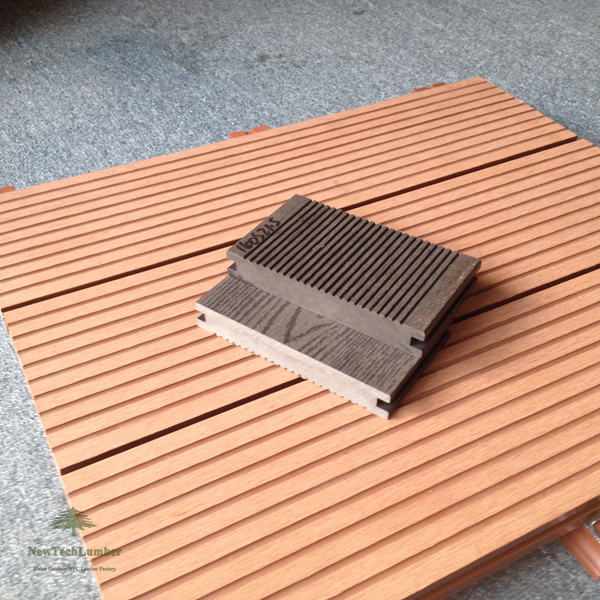
When designing outdoor spaces, the selection of materials plays a pivotal role in ensuring durability and longevity. WPC products are engineered to withstand the challenges of weather exposure, making them a reliable choice for outdoor applications. Unlike traditional wood, composite materials resist fading, splintering and warping, which are common issues with natural wood. This resilience means that once installed, landscapes require minimal maintenance, allowing designers and homeowners to focus on enjoying their outdoor spaces rather than constant upkeep.
Moreover, the environmental considerations of material selection cannot be overlooked. WPC is often made from recycled materials, contributing to sustainable building practices. By choosing eco-friendly products, architects can appeal to a growing demographic that values sustainability in their design choices. This aspect not only enhances the appeal of the projects but also aligns with the broader trend towards responsible architecture.
Incorporating Landscape Features
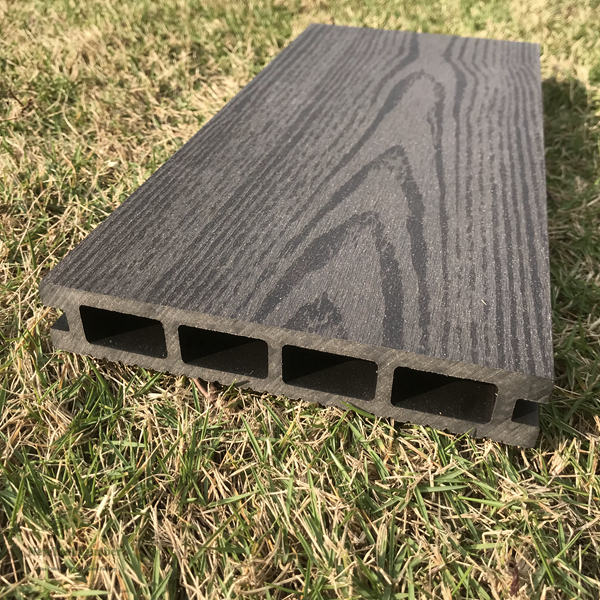
Composite decking can seamlessly integrate with various landscape features, adding depth and functionality to outdoor designs. For example, designers can create multi-level decks that transition smoothly with natural slopes or combine decking with built-in seating and planters to form cohesive outdoor living areas. This versatility allows for a greater connection between the indoor and outdoor spaces, as well as the surrounding environment.
Furthermore, using composite decking in conjunction with other materials such as stone or metal can create compelling contrasts. This layering of materials enhances visual interest and can elevate the overall design. By considering the surrounding topography and natural features, landscape architects can create unique, site-specific designs that highlight the best aspects of the environment while utilising the strengths of WPC products.
Designing for Functionality
Functionality is paramount in outdoor design, particularly when considering composite decking. Architects must think about how these spaces will be used over time. For instance, if an area is intended for entertaining, the design should accommodate ample seating and movement while maintaining aesthetics. WPC’s low maintenance characteristic becomes invaluable in such scenarios, as it ensures that the space remains inviting without the need for constant upkeep.
Additionally, safety is a critical factor. When designing decks and outdoor platforms, ensuring slip resistance and secure footing is essential. Many manufacturers of composite materials offer products specifically designed with safety features in mind. By prioritising these aspects during the design phase, architects can create outdoor environments that are not only beautiful but also safe and functional for all users.
Embracing Innovation in Outdoor Spaces
The future of outdoor design lies in the creative use of composite materials, as they allow for innovation while meeting modern demands for sustainability and durability. As architects and landscape designers continue to push the boundaries of conventional design, WPC products will play an integral role in shaping the outdoor spaces of tomorrow. By remaining open to new ideas and inspirations, professionals can create environments that not only meet the needs of their clients but also contribute positively to the surrounding landscape.
In conclusion, as the industry evolves, exploring composite deck inspiration will be essential for those looking to embrace modern outdoor aesthetics. By considering material selection, integrating landscape elements and prioritising functionality, architects can craft enduring outdoor spaces that resonate with contemporary lifestyles and environmental consciousness.