
Selecting Reliable WPC Suppliers
When sourcing 14 ft composite deck boards, the first step is identifying trustworthy manufacturers. Due diligence is essential; looking for suppliers with a strong presence and positive reputation in the market can save you from potential pitfalls. Investigate their history, client testimonials, and any certifications they may hold, such as ISO standards. Engaging directly with potential suppliers can also provide insights into their operational capabilities and product quality. Effective communication is vital; assess their responsiveness and willingness to assist with your inquiries. This initial interaction can reveal much about their customer service ethos, which is critical for a lasting business relationship.
It’s also advantageous to consider suppliers that have a comprehensive product range. A manufacturer that offers various specifications and designs of composite decking boards will not only meet your immediate needs but will also allow for future collaboration on different projects. Establishing a partnership with a versatile supplier can enhance your business’s flexibility and adaptability in the ever-evolving market for outdoor materials.
Factory Evaluation and Visits
Once you have shortlisted potential suppliers, the next step involves evaluating their factories. If feasible, arrange a visit to the manufacturing sites of your selected suppliers. A factory visit can provide firsthand insight into the production processes and quality control measures in place. Look for organised operations, advanced machinery, and adherence to safety standards. Observing the production environment can help you gauge whether they can consistently deliver high-quality 14 ft composite deck boards.
During your visit, engage with the engineering and quality control teams. Understanding their production methods and quality assurance practices will give you confidence in their ability to meet your specifications. Additionally, asking about their supply chain and sourcing of raw materials can provide assurance regarding sustainability and compliance with environmental standards, which is increasingly important in today’s market.
Confirming Product Specifications
Before finalising any orders, clarify the specifications of the composite deck boards you require. This includes dimensions, colour, texture, and performance characteristics. Being specific about your needs will minimise the risk of discrepancies later on. Request samples to evaluate the quality of the products firsthand. Testing the materials in situ can help you determine their suitability for your intended applications.
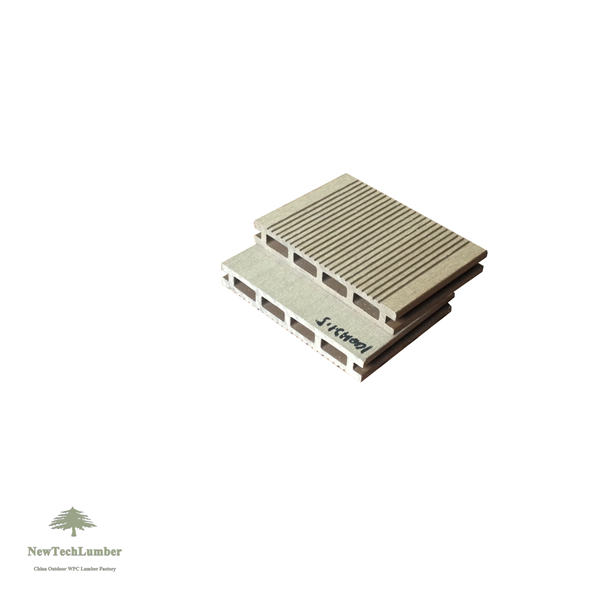
Moreover, ensure that the supplier can provide certifications related to performance and safety. Compliance with international standards is crucial for ensuring your products can be marketed and installed without issues. Documentation that verifies the authenticity and quality of the materials is essential, especially when dealing with overseas suppliers.
Avoiding Common Purchasing Risks
Common risks associated with purchasing WPC materials can include delays in delivery, quality inconsistencies, or unexpected cost increases. To mitigate these risks, establish clear terms regarding lead times, payment terms, and delivery schedules in your contracts. It is advisable to include clauses that hold suppliers accountable for any deviations from agreed-upon specifications or timelines.
Another effective strategy is to conduct regular communication throughout the order process. Keeping in touch with your suppliers can help you stay updated on the production status and any potential challenges that may arise. Developing a good rapport with your supplier can facilitate smoother transactions and minimise misunderstandings, thus ensuring the timely delivery of your 14 ft composite deck boards.
Building Long-Term Partnerships
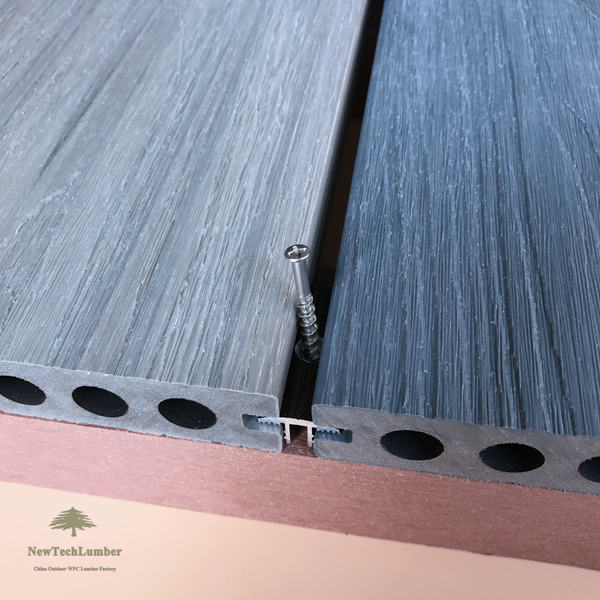
After successfully sourcing your initial order, consider the long-term potential of your relationship with your chosen supplier. A reliable WPC manufacturer can become a vital partner in your business, providing consistent quality and support over time. Regularly reassessing your supplier’s performance can help maintain high standards and foster improvements in your operations.
Furthermore, explore opportunities for collaboration on new product developments or customised solutions. A mutually beneficial partnership will not only enhance your product offerings but may also lead to competitive advantages in your market. Building trust and maintaining open lines of communication will solidify the foundation for a successful partnership in the long run.