
Composite Decking and Heat Retention
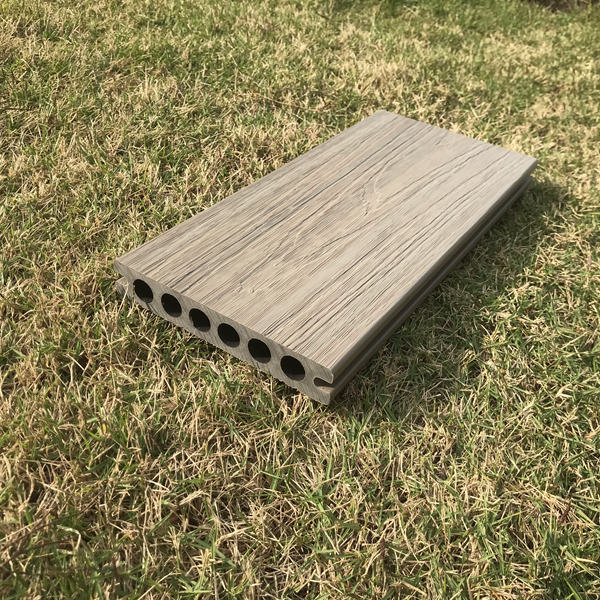
The question of whether composite decking gets hot under strong outdoor sunlight is a significant consideration for many homeowners and commercial property managers. While composite materials, made from a blend of wood fibres and plastic, can retain heat more than natural wood, their performance can vary based on several factors including colour, texture, and the specific composite formulation used. Darker shades typically absorb more heat, making them feel hotter on the surface when exposed to intense sunlight. Conversely, lighter-coloured composite decking tends to remain cooler, making it a more comfortable choice for outdoor areas that receive full sun exposure.
When selecting composite decking for various applications, it is essential to consider not just the aesthetic but also the functional aspects related to heat retention. This becomes particularly critical for spaces where barefoot traffic is commonplace, such as pool decks or outdoor lounging areas. Choosing a lighter shade can enhance comfort without sacrificing style. Additionally, adding shade structures like pergolas or umbrellas can further mitigate the heat of composite surfaces.
Applications of Composite Decking
Composite decking is versatile and can be effectively utilised in a range of outdoor settings. Residential gardens benefit immensely from the durability and low maintenance that composite materials offer. Here, homeowners can create inviting spaces that withstand the elements, enhance landscape aesthetics, and provide a safe haven for family activities. Balconies, often exposed to sunlight, can be transformed into outdoor retreats using composite decking, allowing residents to enjoy their views without the worry of surface heat creating discomfort.
In commercial landscapes, such as hotels and parks, composite decking provides an ideal solution for outdoor dining areas, walkways, and relaxation zones. Its resistance to moisture, rot, and insects makes it particularly suitable for environments where wood might struggle. For instance, a hotel pool area outfitted with composite decking can combine luxury and practicality, allowing guests to enjoy the sun without the concern of burning feet. This can be particularly appealing during peak summer months when outdoor facilities are in high demand.
Considerations for Public Facilities
Public facilities, such as community parks and recreational centres, can significantly benefit from the use of composite decking. The material’s robustness and longevity ensure that these spaces remain safe and inviting for a variety of activities. Playgrounds, picnic areas, and boardwalks can all be designed with composite materials that not only resist fading and weathering but also provide a comfortable surface for users. However, it is crucial for planners and landscape architects to consider heat absorption when designing these spaces. Integrating cooling features such as shaded seating areas or water features can enhance comfort for visitors.
Additionally, the application of composite decking in urban environments, such as walkways in public squares or outdoor art installations, can create visually appealing and functional spaces that encourage community interaction. The aesthetic versatility of composite materials can complement architectural designs while offering practical advantages in terms of maintenance and durability.
Installation and Maintenance of Composite Decking
Proper installation of composite decking is essential to maximise its benefits, including potential heat mitigation. Ensuring adequate ventilation beneath the decking can help reduce heat retention and improve comfort levels. Furthermore, maintaining these surfaces is relatively straightforward; regular cleaning with soap and water can prevent dirt and grime build-up, which can contribute to heat absorption. Unlike wood, composite materials do not require staining or sealing, making them a low-maintenance option for busy property owners.
For residential or commercial applications, hiring experienced installers familiar with composite materials can ensure that the product performs well over time. They can advise on the best practices for installation that consider local climate conditions and intended use, ensuring that the decking remains a safe and pleasant space for years to come.
