
Composite Deck Boards Clearance Options for Sustainable Material Projects
Outdoor material selection requires a balance between appearance, performance, environmental impact and long-term ownership costs. For architects, contractors and material consultants, composite deck boards clearance options can provide opportunities to source sustainable WPC products while maintaining technical expectations for exterior applications. Wood plastic composite decking has developed into a practical alternative for residential terraces, commercial walkways, garden platforms and landscape structures because it combines recycled polymer technology with natural wood fibres.
WPC decking offers consistent dimensions, resistance to moisture and reduced maintenance compared with many traditional outdoor materials. Unlike natural timber, composite boards do not depend on seasonal growth conditions, which helps manufacturers maintain stable quality for large projects. For international buyers and OEM partners, this consistency supports predictable installation, packaging and after-sales service requirements.
Outdoor WPC Compared With Natural Wood and Timber
Natural wood remains popular because of its authentic grain, warm appearance and established use in architecture. Species such as cedar, teak and hardwood timber provide attractive finishes, but their outdoor performance depends heavily on treatment quality, climate conditions and maintenance schedules. Timber decking often requires regular sealing, staining and inspection to reduce risks from moisture absorption, cracking, warping and insect damage.
Outdoor WPC provides a different value proposition. It does not offer the exact organic variation of natural timber, yet modern surface embossing and colour technology can create realistic wood-like textures. WPC boards typically require only routine cleaning with water and mild detergent. Over a long service period, reduced maintenance labour and fewer replacement cycles can significantly influence lifecycle costs, especially for public landscaping and commercial developments.
Material Performance, Durability and Maintenance Requirements
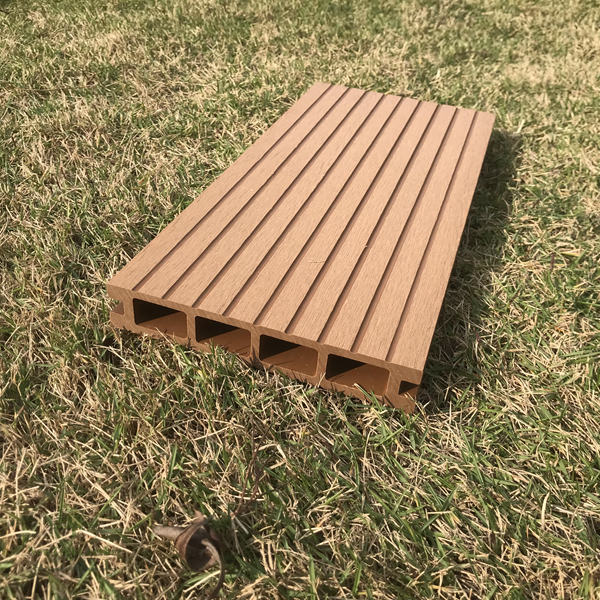
Compared with traditional timber, WPC decking has stronger resistance against common outdoor challenges such as humidity, fungal growth and surface deterioration. Quality depends on raw material formulation, including wood fibre content, polymer type, additives, extrusion control and protective surface layers. A skilled WPC formula development engineer must optimise these factors to achieve suitable hardness, expansion control and weather resistance.
Aluminium decking provides another comparison point. Aluminium is lightweight, highly resistant to corrosion and suitable for demanding environments such as coastal locations. However, it generally creates a more industrial appearance and can have higher initial material costs. WPC offers a closer visual connection to natural landscapes while providing lower thermal conductivity than metal surfaces exposed to direct sunlight. Maintenance requirements for aluminium are low, but replacement or repair costs can be higher depending on design complexity.
Lifecycle Cost Evaluation for Exterior Applications
Lifecycle cost analysis is essential for architects and procurement teams selecting sustainable exterior materials. Timber may appear economical at the purchasing stage, but ongoing expenses for coatings, repairs and replacement boards can increase total ownership costs. WPC decking usually requires a higher initial investment than basic timber products, yet the reduced need for protective treatments often improves cost efficiency over decades of use.
Other exterior materials such as concrete, stone and aluminium each have specific strengths. Concrete offers structural durability but can involve complex installation and limited comfort for pedestrian areas. Stone provides premium aesthetics but may require specialist handling and has a higher environmental burden from quarrying and transportation. WPC represents a balanced solution for projects requiring natural appearance, recycled content and practical installation methods.
Sustainable Material Selection for Modern Landscape Design
Sustainability considerations now influence decisions across architecture, landscape engineering and construction supply chains. WPC manufacturers commonly incorporate recycled plastics and reclaimed wood fibres, reducing reliance on virgin resources. Responsible production also requires attention to energy consumption, quality control systems and recyclable end-of-life pathways.
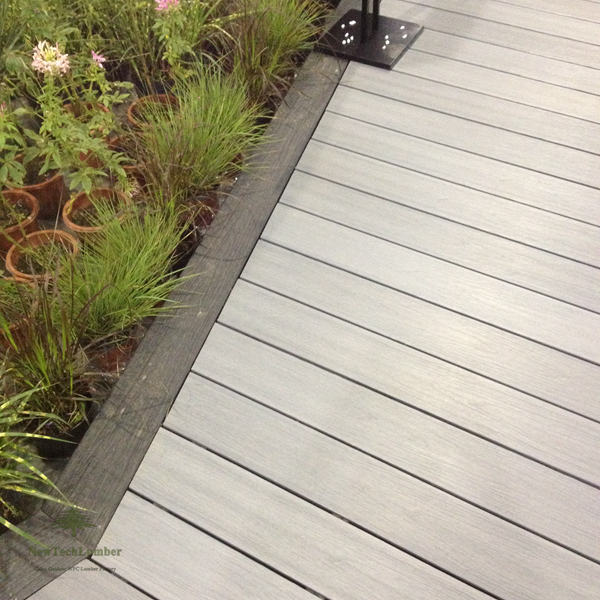
For international sales managers, foreign trade specialists and construction consultants, the technical documentation behind WPC products is increasingly important. Information about formulation, testing standards, colour stability, load capacity and installation guidance helps buyers evaluate long-term suitability. Composite decking is not a universal replacement for every exterior material, but it provides a reliable option where low maintenance, consistent performance and sustainable sourcing are priorities.
Design Flexibility and Future Market Applications
WPC decking continues to expand into hospitality spaces, residential developments, parks and commercial landscape projects. Designers benefit from a broad range of colours, profiles and fixing systems that support different architectural styles. Compared with traditional timber, composite boards offer greater manufacturing control, allowing factories to produce customised dimensions, surface patterns and packaging solutions for global markets.
For architects and material professionals, selecting the right decking solution requires evaluation of climate exposure, expected lifespan, maintenance capability and budget objectives. Composite deck boards clearance opportunities can support cost-effective sourcing without reducing attention to quality standards. With appropriate specification and professional installation, outdoor WPC provides a durable pathway towards sustainable exterior construction.