
Factory Tested Coatings and Composite Deck Railing Performance
The global outdoor building materials market is seeing stronger demand for composite decking, WPC wall cladding, fencing, pergolas and landscape products that combine long service life with refined appearance. As architects, developers and homeowners move away from traditional timber maintenance cycles, composite materials are becoming a preferred choice for commercial gardens, residential developments and public landscape projects. A key question for many buyers and professionals is can you paint composite deck railing when design requirements change or when a project needs a new colour direction.
For modern WPC systems, the answer depends on the surface technology, manufacturing process and coating compatibility. Factory tested coatings are developed specifically for composite surfaces, allowing manufacturers to control adhesion, weather resistance and colour stability. Unlike ordinary household paints, these specialised coatings are evaluated against moisture exposure, UV radiation, temperature changes and outdoor wear. This approach gives international buyers more confidence when specifying customised railing systems for different climates and applications.
Market Demand for Customised WPC Outdoor Solutions
Market research across Europe, North America, the Middle East and Asia shows increasing interest in outdoor products that offer both functional performance and architectural flexibility. Composite deck railing is no longer viewed as a simple safety component. It has become part of the visual identity of terraces, balconies, resorts, garden spaces and mixed-use developments. Designers are requesting wider colour choices, realistic wood textures and finishes that support modern landscape concepts.
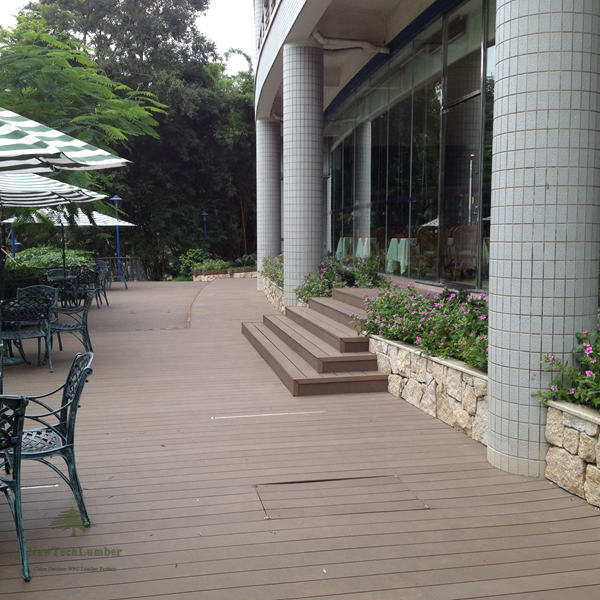
For WPC manufacturers and OEM suppliers, factory tested coatings create opportunities to provide customised solutions rather than standard products only. International sales teams are increasingly receiving enquiries from clients who require specific colours to match building facades, outdoor furniture or landscape themes. A controlled coating system allows factories to offer reliable colour development while maintaining the mechanical properties of the composite material.
Technical Factors Behind Successful Composite Railing Coatings
Composite railing is manufactured from wood fibres, polymers and additives, which means its surface behaviour differs from natural timber. A coating must bond correctly with the polymer-rich outer layer while allowing the material to handle expansion and contraction caused by seasonal temperature changes. WPC extrusion technology engineers and quality control teams normally assess surface preparation, coating thickness, curing conditions and long-term adhesion before approving a finish.
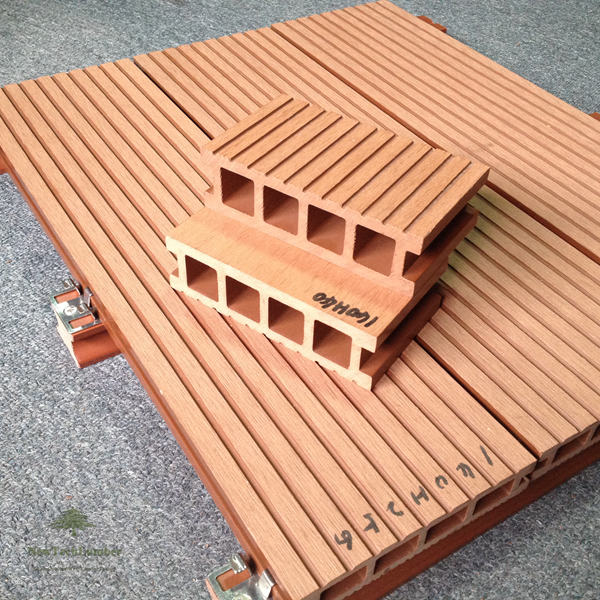
The most reliable coating solutions are usually tested under accelerated ageing conditions and outdoor exposure trials. These assessments help manufacturers predict resistance to fading, peeling, cracking and environmental stress. For quality inspection supervisors and production managers, factory coating tests provide documented evidence that a finished railing system can meet project expectations across different regions. This technical validation is especially important for export markets where replacement costs and after-sales support can affect supplier reputation.
Future Opportunities Across Global Landscape Construction
The expansion of sustainable building practices is creating new opportunities for WPC product developers. Composite materials support the growing preference for low-maintenance outdoor spaces, recycled content and longer product lifecycles. Landscape engineering consultants and architectural material specialists are increasingly comparing traditional timber, aluminium and composite options based on environmental impact, maintenance requirements and design possibilities.
Future growth is expected in premium residential landscaping, hospitality projects, urban regeneration and outdoor commercial spaces. WPC factories that invest in advanced coating technology, colour research and surface innovation can respond more effectively to international market requirements. Products such as coated deck railing, decorative fencing, pergolas and wall cladding systems are likely to gain further attention as buyers seek coordinated outdoor environments.
Specification Guidance for Global WPC Buyers
International buyers should evaluate more than the appearance of a painted composite railing system. Important factors include coating certification, climate suitability, supplier production control and warranty conditions. A professional manufacturer should be able to provide information about coating tests, raw material quality standards and installation recommendations. These details help architects, contractors and distributors select products that perform consistently after installation.
For installers and after-sales service teams, understanding coating limitations is also essential. A factory tested coating is designed to improve appearance and durability, but surface preparation, cleaning methods and local environmental conditions still influence performance. Clear technical communication between manufacturers, exporters and project teams helps maintain product quality from factory production through final installation.
Coating Innovation Shapes the Next Stage of Composite Products
The development of advanced coating systems is becoming an important competitive factor in the international WPC industry. As demand grows for personalised outdoor designs, manufacturers that combine extrusion expertise with tested finishing technology will have stronger opportunities in global markets. The ability to answer can you paint composite deck railing with reliable technical evidence allows suppliers to support architects, contractors and end users with practical solutions rather than simple aesthetic promises.
Composite outdoor products are moving towards higher levels of customisation, durability and environmental responsibility. Factory tested coatings represent one part of this evolution, helping decking, railing, fencing and landscape systems meet the changing expectations of worldwide construction markets.