
Composite Decking Thickness Explained
Choosing the right composite decking thickness is vital for ensuring that your outdoor flooring meets both aesthetic and functional requirements. A proper thickness not only impacts the visual appeal but also affects the durability and performance of the decking. In the context of wood plastic composite (WPC) materials, thickness can range from 20mm to 30mm, with variations depending on specific applications and load-bearing needs. Thicker boards generally provide enhanced strength and longevity, making them a popular choice for high-traffic areas.
The performance of composite decking is significantly influenced by the raw materials used in its production, including wood powder, HDPE or PVC polymers, additives, pigments, and modifiers. Each element plays a unique role in determining the overall quality and performance characteristics of the final product.
Impact of Wood Powder on Durability
Wood powder serves as a primary component in WPC manufacturing, contributing to both the strength and aesthetic appeal of the decking. The choice of wood powder type, its fineness, and its blend with other materials can drastically affect the durability of the decking. For instance, finer wood powders can lead to a denser material, which subsequently improves structural integrity and resistance to wear.
During the factory inspection phase, it is crucial to evaluate the quality of the wood powder being used. This involves checking for consistency in particle size, moisture content, and absence of contaminants. Ensuring that the wood powder meets specified quality standards can significantly enhance the performance of the final decking product.

Role of HDPE/PVC Polymers
The selection of HDPE or PVC polymers is equally critical in determining the performance characteristics of composite decking. These polymers provide the necessary flexibility, weather resistance, and mouldability during the extrusion process. HDPE, known for its superior impact strength and resistance to moisture, is often preferred for outdoor applications where exposure to the elements is a concern.
Quality control measures at the factory should include tests for polymer density, viscosity, and thermal stability. By maintaining stringent quality standards for these raw materials, manufacturers can ensure that the composite decking remains resilient against environmental challenges such as UV rays, rain, and temperature fluctuations.
Additives and Their Effects
Additives play a significant role in enhancing the performance of composite decking. They can improve fire resistance, increase UV stability, and enhance colour retention. Common additives include foaming agents, which can lighten the weight of the boards without sacrificing strength, and anti-fungal agents that help prevent mould growth.
In a manufacturing context, thorough testing of additives is imperative. Each additive should be assessed for compatibility with the other materials used and its effectiveness in improving the decking’s performance. Regular inspections should also be performed to ensure that the amount of each additive used remains consistent with the guidelines established during product development.
Significance of Pigments and Colour Consistency
Pigments used in WPC production not only provide colour but also contribute to the longevity and aesthetic appeal of the decking. High-quality pigments ensure that the colour remains vibrant over time, resisting fading due to UV exposure. When considering composite decking thickness, it’s essential to choose pigments that can uniformly permeate the material, particularly in thicker boards where colour consistency can be more challenging to maintain.
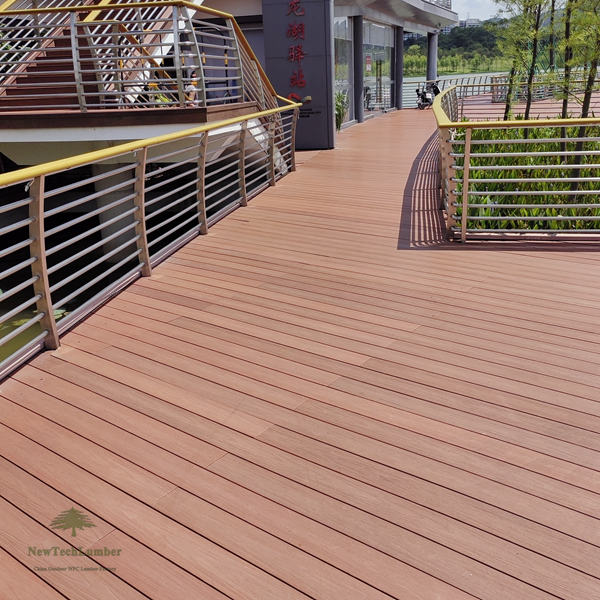
Quality checks should focus on colour fastness during exposure to sunlight and other environmental factors. Using spectrophotometric analysis can help ensure that the pigments meet the required standards for consistency and durability, thereby enhancing the overall product quality.
Modifiers and Their Contribution to Performance
Modifiers are often added to WPC formulations to enhance specific properties, such as impact resistance or flexibility. These adjustments can be crucial, particularly for thicker decking boards that may be subjected to greater loads. The inclusion of modifiers can improve the overall resilience of the product against cracking and deformation, which is particularly beneficial for outdoor installations.
As with other raw materials, monitoring the quality of modifiers through rigorous testing is essential. This includes assessments of mechanical properties, such as tensile strength and elongation, to confirm that the modifiers are contributing positively to the performance of the final product.
Quality Standards and Inspection Processes
Factory inspections should involve comprehensive evaluations of raw materials, intermediate products, and finished decking boards. Employing both visual and mechanical testing methods ensures that the final products not only meet aesthetic expectations but also perform reliably under expected conditions.