
What Are Composite Panels Made Of?
Composite panels, particularly those used in outdoor applications, consist of a combination of materials that enhance their performance and durability. Typically, these panels are made from a mix of wood fibres and high-density polyethylene (HDPE), which provide a unique balance of strength, aesthetics, and sustainability. The wood component usually comes from recycled sources, making these panels an environmentally friendly choice. The HDPE acts as a binding agent, ensuring that the panels can withstand various weather conditions while retaining their structural integrity. This combination not only addresses the challenges of traditional materials like wood and plastic but also offers an attractive finish that complements landscaping designs.
Architects and landscape designers are increasingly turning to composite panels for their projects due to their versatility and low-maintenance requirements. Unlike traditional wood, which may warp or rot over time, composite materials are engineered to resist such degradation, thereby extending the lifespan of outdoor installations.

Durability and Maintenance of Composite Panels
One of the primary reasons for choosing composite panels in outdoor environments is their exceptional durability. These materials are resistant to moisture, insects, and UV radiation, making them ideal for various applications, from decking to cladding. Landscape architects appreciate how composite panels maintain their appearance and functionality over time, even in harsh climates. This durability translates to reduced maintenance, which is a significant consideration for both public and private projects.
For instance, in a public park setting where foot traffic is high and the risk of vandalism exists, selecting composite panels can mean fewer repairs and replacements. Their ability to resist staining and fading also contributes to a longer-lasting visual appeal, ensuring that outdoor spaces remain inviting and attractive for years.
Project Considerations for Landscape Design
When incorporating composite panels into landscape design, several factors need to be carefully evaluated. The first is the intended use of the space. For areas that will experience significant wear, such as walkways or recreational zones, selecting a composite panel with a higher density and thickness may be advisable. This ensures they can bear the load and resist damage from impact.
Additionally, the aesthetics of composite panels should align with the overall design theme. Composite materials come in various finishes and colours, allowing for seamless integration into the natural environment. Designers often consider how these panels can complement other materials used in the project, such as stone or metal, to create a cohesive look.
Environmental Impact and Sustainability
In recent years, sustainability has become a key factor for architects and landscape designers when selecting materials for outdoor projects. Composite panels are often manufactured using recycled content, making them a more sustainable option compared to traditional materials. This aligns with the growing emphasis on environmentally responsible design practices within the industry.
Moreover, the carbon footprint associated with composite panels is typically lower than that of conventional wood products, especially when considering the entire lifecycle from production to disposal. This sustainability aspect not only appeals to environmentally-conscious clients but also enhances the long-term viability of projects by reducing future resource depletion.
Material Selection Advice for Architects
When choosing composite panels for outdoor use, architects should pay close attention to the specifications provided by manufacturers. Understanding the material properties, such as weight, thermal expansion, and resistance to chemicals, can significantly impact the long-term performance of the project. Architects should also consider the weight-to-strength ratio, especially in applications where panels may need to be supported by structural elements.
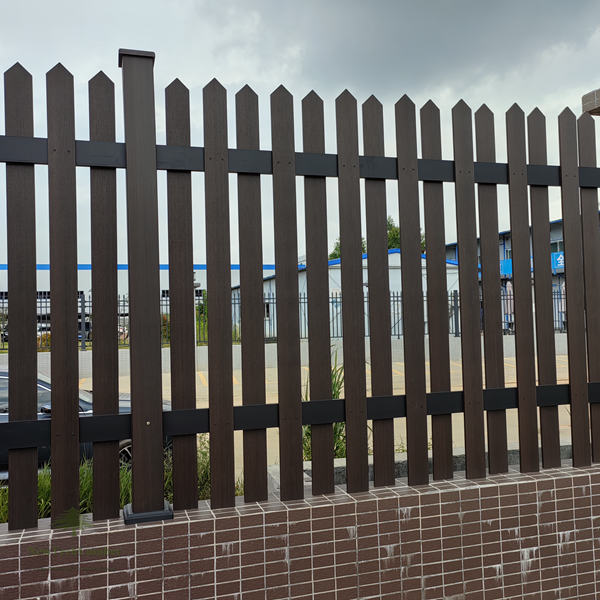
Engaging with suppliers who specialise in composite materials can provide valuable insights into the latest advancements in technology and design. Collaborating early in the design process ensures that the chosen materials align with the project’s goals and enhance the overall functionality and aesthetic appeal of the outdoor environment.