
Choosing the Right Structure for 1 1/2 Composite Decking
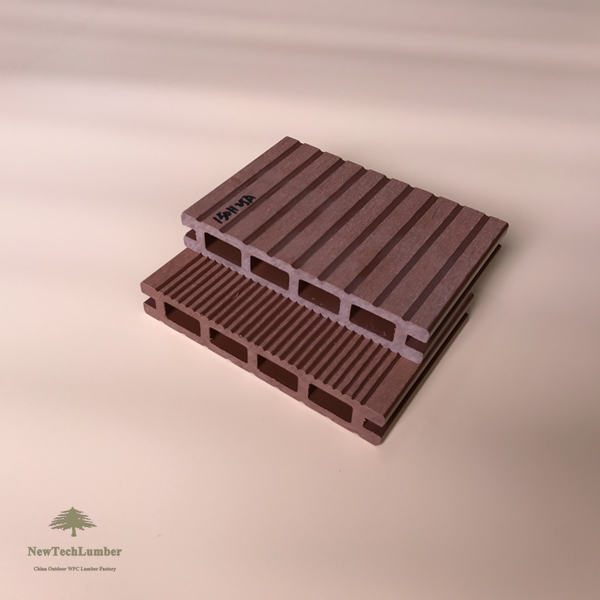
When selecting 1 1/2 composite decking for outdoor applications, the structure of the decking board can significantly impact its performance. The choice between hollow and solid structures is fundamental. Hollow composite decking is generally lighter and can be more cost-effective, making it suitable for residential projects where ease of handling is essential. However, solid boards provide superior strength and durability, making them ideal for commercial applications or areas with heavy foot traffic. Understanding the specific needs of a project will help guide this decision, ensuring the right balance between weight, strength, and cost.
The internal structure is critical too. Hollow profiles can sometimes lead to issues with sagging or bending under heavy loads, which is a vital consideration for decks that will support furniture or large gatherings. Solid profiles, while heavier, can often bear more weight and resist deformation over time, making them a preferred choice for high-load applications.
Importance of Rib Designs in 1 1/2 Composite Decking
The rib design within the decking profile also plays a pivotal role in enhancing strength without compromising weight. By incorporating strategically placed ribs within the hollow sections, manufacturers can improve load-bearing capacity while maintaining a lightweight profile. This approach not only optimises material usage but also lowers production costs, allowing for competitive pricing in a market that is increasingly price-sensitive.
Ribbed designs can also influence the installation process. Decking boards that feature well-designed ribbing can interlock more effectively, making for a simpler installation experience. This is especially beneficial for professionals who need to complete projects efficiently while maintaining high-quality finishes.
Surface Patterns and Aesthetics
The visual appeal of 1 1/2 composite decking is often determined by the surface patterns. These patterns not only enhance the aesthetic quality but can also contribute to the board’s slip resistance. For outdoor applications, where wet conditions may lead to accidents, choosing a surface pattern that provides grip is essential. Various textures can be designed into the extrusion process, offering choices that range from smooth finishes to more textured surfaces. The right surface can improve safety while complementing the overall design of the outdoor space.
Furthermore, aesthetic considerations can also affect marketability and customer satisfaction. A well-designed pattern can elevate the visual appeal of an outdoor area, making it more inviting. In a competitive marketplace, this can translate to increased sales and customer loyalty.
Cost Implications of Composite Decking Designs
Cost is always a significant factor in the selection of 1 1/2 composite decking. The complexity of the profile design, including hollow versus solid structures and ribbing, directly impacts production costs. More intricate designs typically require more advanced moulds and additional material, which can drive up the price. It is essential for manufacturers and engineers to find a balance between design complexity and cost-effectiveness, ensuring that the final product meets consumer expectations without exceeding budgetary constraints.
Additionally, the choice of materials used in the extrusion process can also influence costs. High-quality recycled materials may incur a higher initial expense but can lead to significant savings in maintenance and replacement over time, making them an attractive option for builders and consumers alike.
Installation Performance of Composite Decking
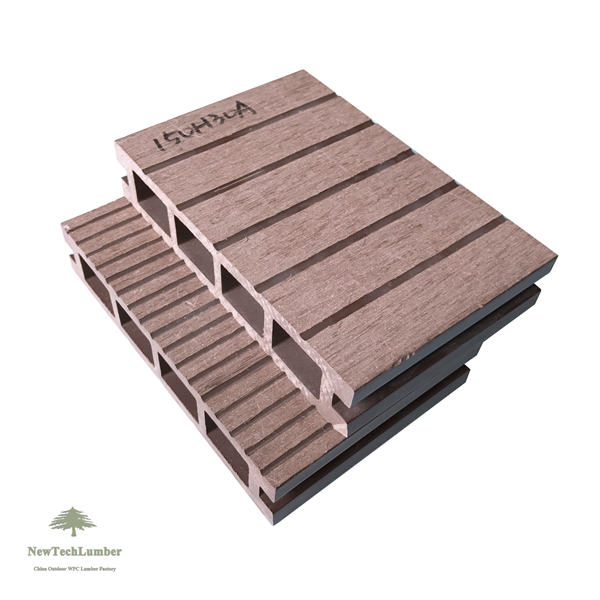
Installation performance is a critical aspect that can often be overlooked when selecting 1 1/2 composite decking. The weight of the boards, determined by their structure and design, impacts how easily they can be handled and installed. Lightweight options can be easier to transport and position, reducing labour time and costs significantly. However, if a board is too lightweight, it may compromise structural integrity.
Moreover, the interlocking features designed into the decking can make a substantial difference during installation. Boards that fit together seamlessly can reduce gaps and ensure a uniform appearance while enhancing structural stability. This not only contributes to the aesthetic quality of the deck but also enhances its longevity, making the installation process smoother for contractors and DIY enthusiasts alike.