
Types of WPC Panels for Exterior Decoration
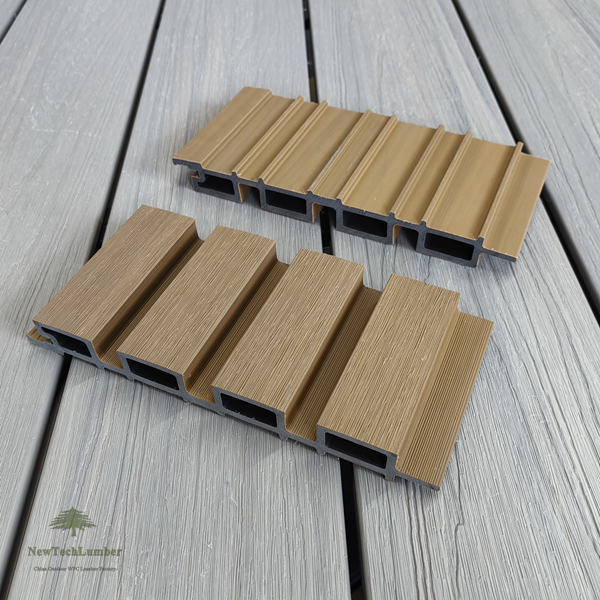
Wood Plastic Composite (WPC) panels have gained enormous popularity in recent years for exterior decoration, serving as a stylish and functional alternative to traditional building materials. WPC panels combine the aesthetics of wood with the durability of plastic, making them suitable for a variety of outdoor applications. The primary types of WPC panels include solid panels, hollow panels, and decorative panels, each catering to different design aesthetics and functional needs.
Solid WPC panels are often used in applications where strength and durability are paramount. These panels are dense and reliable, making them ideal for fencing and cladding. Hollow WPC panels, in contrast, are lighter and more cost-effective, commonly used for decking and garden features. Decorative panels, which come in various textures and finishes, are designed to enhance the visual appeal of outdoor spaces while providing the essential benefits of WPC.
Comparative Analysis with Natural Wood
Comparing outdoor WPC with natural wood reveals several key differences. Natural wood offers unparalleled beauty and a unique character that many homeowners appreciate. However, it comes with significant drawbacks, including susceptibility to rot, pests, and warping. Wood requires regular maintenance, such as sealing and staining, to prolong its lifespan, which can be both time-consuming and costly. In contrast, WPC panels are resistant to moisture, insects, and fading, making them a low-maintenance option for exterior applications.
While WPC panels may not completely mimic the grain and feel of wood, advancements in technology have led to the development of highly realistic finishes. This means that one can achieve a wooden look without the associated upkeep, and the lifecycle costs of WPC often outweigh those of natural wood in the long run.

Comparing WPC with Traditional Timber
Traditional timber materials are often used in construction and design due to their strength and timeless appeal. However, similar to natural wood, traditional timber is vulnerable to environmental damage and requires considerable maintenance. WPC panels, on the other hand, do not absorb water, drastically reducing the risk of mould and decay. Their UV resistance also ensures that colours remain vibrant over time, making WPC a more practical choice for exterior applications.
From a cost perspective, while the initial investment in WPC may be slightly higher than that of basic timber, the reduced maintenance and longer lifespan can lead to lower total ownership costs. This makes WPC panels an economically sensible choice for property developers and homeowners aiming for longevity and durability.
WPC Versus Aluminium and Other Metals
When considering WPC panels alongside aluminium and other metals, several aspects emerge. Aluminium is renowned for its strength and lightweight properties, making it a popular choice for modern designs. However, it can be cold to the touch and may not provide the warmth or aesthetic appeal of wood or WPC. Additionally, aluminium can suffer from corrosion, particularly in coastal areas, which necessitates regular inspections and maintenance.
WPC, conversely, combines the best of both worlds, offering the robustness that can compete with metals while retaining a warm, inviting appearance. Moreover, WPC panels do not face the same corrosion issues, making them advantageous for outdoor use. They are also considerably easier to work with, allowing for more versatility in design and installation.
Maintenance Requirements of WPC Panels
One of the most compelling reasons to choose WPC panels for exterior decoration is their minimal maintenance requirements. Unlike wood, which needs frequent sealing and treatment to protect against weather, WPC panels often require little more than an occasional cleaning with soap and water to maintain their appearance. This attribute is particularly valuable for busy homeowners or commercial properties looking to optimise their resources.
While WPC panels are generally designed to be durable and withstand various weather conditions, it is wise to regularly inspect them for any signs of damage or wear. This proactive approach can extend the life of the panels significantly. With proper care, WPC can last for decades, offering an attractive and functional solution for exterior decoration.
Lifecycle Costs of WPC vs Other Materials
The lifecycle costs associated with WPC panels are generally lower than those of traditional wood, timber, or metal options. Initial costs may be competitive, but the reduction in maintenance, coupled with a longer lifespan, results in significant savings over time. WPC panels do not require painting, sealing, or special treatments, which can add up to considerable expense with other materials.
Furthermore, WPC’s resistance to fading and weather damage supports a consistent aesthetic without the need for frequent replacement or repair. By choosing WPC panels for exterior decoration, property owners can invest in a sustainable, cost-effective solution that offers lasting beauty and performance.