
Choosing a Wood Composite Decking Supplier
Identifying a reliable wood composite decking supplier is vital for architects and landscape designers seeking to create durable and aesthetically pleasing outdoor environments. The selection process involves evaluating various factors such as material quality, supplier reputation, and product range. A dependable supplier will not only provide high-quality materials but will also offer technical support and guidance throughout the project, ensuring seamless integration into the design.
When assessing potential suppliers, it is essential to consider their track record and customer reviews. Engaging with industry professionals who have previously sourced materials from specific suppliers can offer invaluable insights. This kind of peer recommendation is often more trustworthy than marketing materials alone. It is also beneficial to visit suppliers’ facilities, if possible, to gain firsthand knowledge of their operations and product quality.
Material Selection for Outdoor Applications
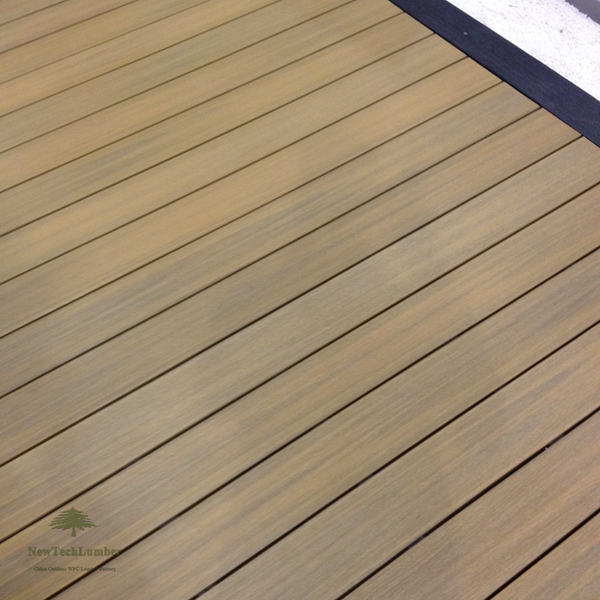
Wood composite decking has emerged as a popular choice for outdoor projects due to its exceptional durability and low maintenance requirements. Composed of a blend of wood fibers and recycled plastics, this material provides the aesthetic appeal of natural wood while eliminating many of its drawbacks. For instance, it is resistant to rot, decay, and insect damage, making it suitable for a variety of climates.
When selecting materials, architects and designers should consider the specific environment the decking will be installed in. Factors such as climate conditions, expected foot traffic, and the overall design aesthetic play crucial roles in material choice. For high-traffic areas, a denser composite material with a textured surface can enhance slip resistance while providing added durability. Additionally, colour options and finishes can be tailored to align with the surrounding landscape, ensuring that the decking complements the overall project.
Design Considerations in WPC Projects
Incorporating wood composite materials into outdoor designs involves thoughtful consideration of how these elements interact with other landscaping features. A well-designed outdoor space should harmoniously blend various materials, colours, and textures. For instance, a seating area made from composite decking can be paired with natural stone paths, creating a balanced aesthetic and functional space.
Moreover, understanding the dimensions and layout of the decking is crucial. Architects must plan for expansion and contraction, as wood composites can change with temperature fluctuations. This awareness can prevent warping and structural issues in the long term. Furthermore, integrating sustainable practices by sourcing materials from suppliers who prioritise eco-friendly production processes can enhance the project’s environmental credentials, appealing to clients who value sustainability.

Installation Techniques and Best Practices
The installation of wood composite decking requires specific techniques to maximise its benefits and longevity. Landscape designers should collaborate with experienced installation technicians who understand the nuances of working with composite materials. Proper spacing and fastening methods are essential to accommodate the natural expansion and contraction of the decking boards.
Employing hidden fasteners can create a cleaner aesthetic by eliminating visible screws or nails, enhancing the overall look of the decking. Additionally, ensuring proper drainage and ventilation beneath the decking can significantly prolong its lifespan and prevent moisture-related issues. Providing clear guidelines to the installation team can help ensure these best practices are followed meticulously.
Post-Installation Support and Maintenance
Once the installation is complete, selecting a supplier that offers ongoing support and maintenance advice is beneficial. Quality wood composite materials require minimal maintenance compared to traditional wood decking but may still need occasional cleaning and care to maintain their appearance. Suppliers should be able to provide detailed maintenance guidelines to help clients keep their outdoor spaces looking pristine.
Furthermore, establishing a relationship with a supplier who offers after-sales service can facilitate quick resolution of any issues that may arise after installation. This relationship can also lead to future collaborations on new projects, fostering a professional network that can benefit landscape designers and architects in the long run.
Building Lasting Relationships with Suppliers
Ultimately, selecting the right wood composite decking supplier involves thorough research, careful material selection, and ongoing collaboration. By prioritising quality and building strong relationships, landscape architects and designers can ensure their outdoor projects achieve both aesthetic appeal and lasting functionality.