
Global Demand Growth for Composite Outdoor Materials
The international outdoor building materials market is seeing steady growth as architects, contractors, and property developers move towards low-maintenance alternatives to traditional timber. Composite decking, WPC wall cladding, fencing systems, pergolas, and landscape products are increasingly specified for residential gardens, commercial terraces, hospitality projects, and public spaces. Market research shows that buyers across Europe, North America, the Middle East, and Asia Pacific are seeking materials that combine visual appeal, long service life, and improved resistance against moisture, insects, and weather exposure.
From an international market perspective, composite decking made of recycled polymers and wood fibres has become a key product category within sustainable construction. The demand is supported by stricter environmental requirements, rising timber costs, and consumer expectations for outdoor areas that require less maintenance. Manufacturers that can provide consistent colour, reliable mechanical performance, and customised surface finishes are gaining opportunities in both mature and emerging markets.
Complete WPC Extrusion Processes Behind Composite Decking
The quality of composite decking depends heavily on the complete WPC extrusion process, beginning with raw material selection and ending with precise profile control. Production teams typically combine wood flour, recycled plastics, additives, pigments, and performance modifiers through controlled mixing procedures. Raw material quality control engineers monitor moisture levels, particle size, polymer compatibility, and formulation stability to ensure each batch meets production standards.
During extrusion, the compound is heated, compressed, and shaped through specialised moulds to create decking boards with accurate dimensions. WPC extrusion technology engineers focus on temperature management, screw design, cooling systems, and production speed to achieve stable output. Advanced factories also apply surface embossing, co-extrusion layers, and protective coatings to improve scratch resistance, colour retention, and long-term outdoor performance. These processes allow manufacturers to produce decking, wall panels, fences, and pergola components with consistent quality for international supply chains.
Market Opportunities Across WPC Applications
The expansion of WPC applications is creating new commercial opportunities beyond traditional decking. WPC wall cladding is increasingly used for exterior facades because it provides a natural wood appearance while reducing maintenance demands. Fence systems are growing in popularity for residential boundaries, landscaping projects, and urban developments where durability and design flexibility are important factors.
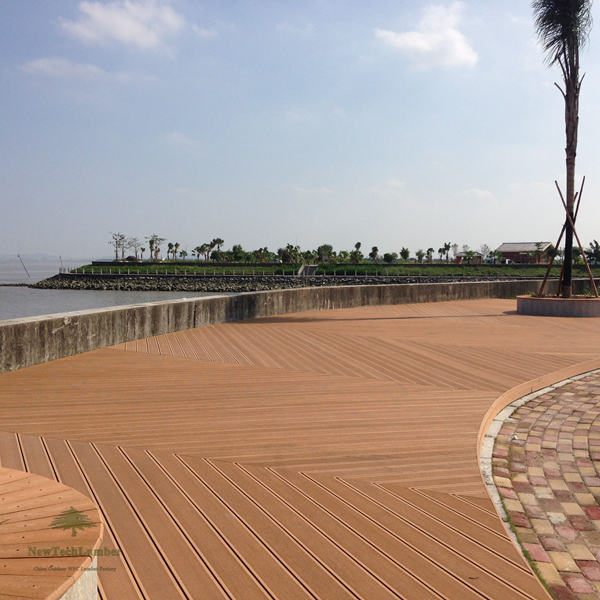
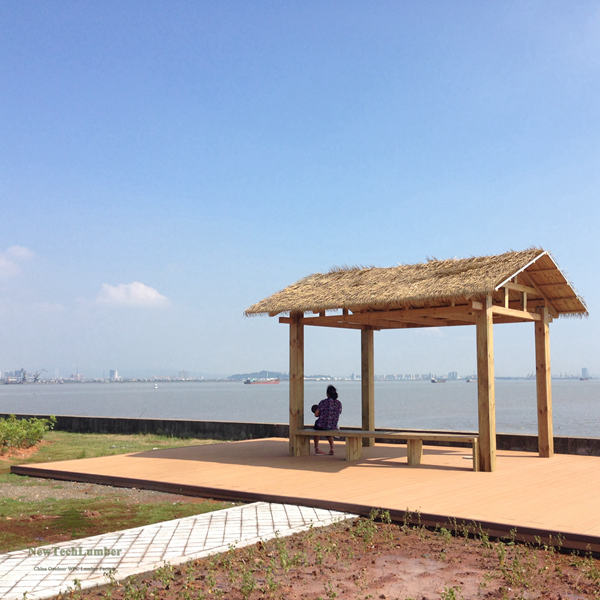
Pergolas, gazebos, and landscape structures represent another area with strong potential. Designers and landscape engineering consultants are incorporating composite materials into outdoor living spaces because these products can support modern architectural styles and withstand challenging climates. In regions with high humidity, intense sunlight, or frequent rainfall, WPC products offer practical advantages compared with untreated timber solutions.
Future Trends in International Composite Material Supply
Future market development will be shaped by innovation in sustainable formulations, production efficiency, and customised product solutions. WPC factories are investing in improved recycling systems, bio-based additives, and advanced extrusion equipment to meet environmental expectations from global customers. OEM customisation specialists are also receiving more requests for unique colours, surface textures, dimensions, and packaging formats tailored to specific regional markets.
For international sales managers and foreign trade export specialists, market growth depends on understanding regional construction standards, installation preferences, and customer requirements. North American buyers often focus on strength, warranty support, and realistic wood appearance, while European markets place strong emphasis on sustainability certifications and environmentally responsible manufacturing. Companies that adapt products and communication strategies for different regions can establish stronger long-term partnerships.
Quality Management and Design Innovation in WPC Production
Quality inspection supervisors, mold design engineers, and after-sales service teams all contribute to the success of composite outdoor products. Precise mould design affects board structure, surface quality, and installation compatibility, while inspection procedures verify dimensions, impact resistance, colour stability, and weather performance. Reliable after-sales support also helps international customers solve installation challenges and maintain confidence in supplier relationships.
The next stage of the WPC industry will involve closer cooperation between material scientists, designers, engineers, and global distributors. Outdoor product designers are developing more realistic wood patterns, improved fastening systems, and integrated landscape solutions that meet changing consumer preferences. As sustainable building practices continue expanding worldwide, composite outdoor materials will remain an important growth area for manufacturers, consultants, and international buyers seeking durable solutions for modern exterior environments.