Composite Deck Material Cost for Outdoor Construction Planning

Understanding Composite Deck Material Cost

Composite decking has gained significant popularity in recent years due to its aesthetic appeal and low maintenance requirements. However, before embarking on an outdoor construction project, it is essential to have a clear understanding of the composite deck material cost. Various factors influence this cost, including material quality, manufacturing processes, and geographic location of suppliers. At NewTechLumber, our vast experience as a Chinese manufacturer and exporter allows us to provide insights into these costs while ensuring high standards of quality control.

Factors Influencing Composite Decking Prices

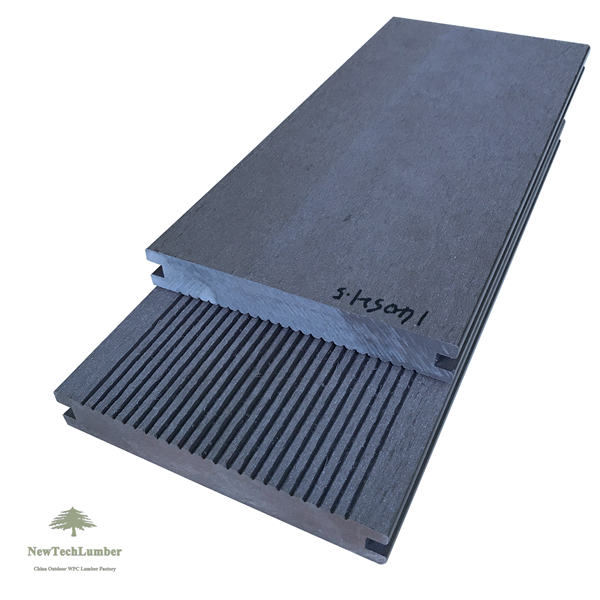
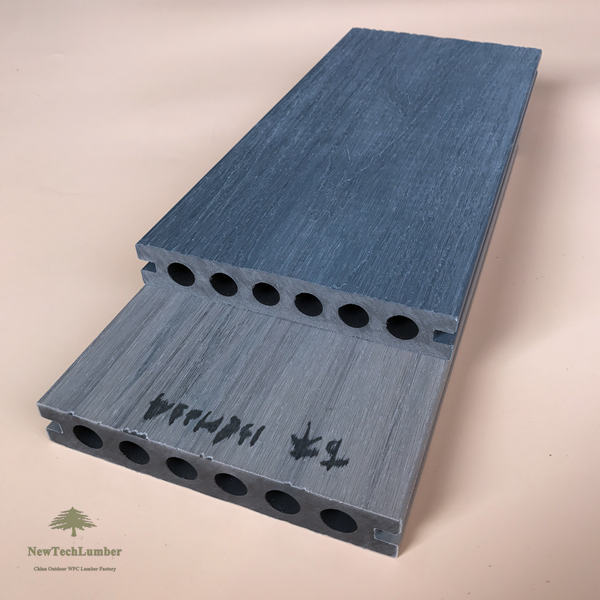
The price of composite decking materials varies considerably based on the composition and quality of the materials used. Higher-grade products often feature enhanced durability and weather resistance, which can justify a higher initial investment. For instance, our WPC (wood plastic composite) decking is designed to withstand the elements, making it a cost-effective solution over time. Additionally, installation costs must also be factored into the overall budget, as skilled labour may be required for proper installation.

Another key consideration is the size of the project. Larger areas may benefit from economies of scale, reducing the per-square-foot cost of composite decking. Moreover, the choice of colour and texture can also impact the price. At NewTechLumber, we offer an extensive range of styles and finishes to accommodate diverse preferences and budgets.

Quality Control in Material Production

As a leading manufacturer of composite decking, quality control is paramount to our operations. Our production processes adhere to stringent industry standards, ensuring that every plank meets the necessary durability and aesthetic requirements. This commitment to quality not only affects the longevity of the decking but also influences the overall composite deck material cost. High-quality products tend to have a higher initial cost but offer significant long-term savings due to lower maintenance needs and a longer lifespan.

We utilise advanced technology and rigorous testing procedures to ensure that our materials are resistant to fading, mould, and warping. This level of quality assurance translates to a more reliable product, which can ultimately lower costs associated with repairs and replacements in the future.

輸出経験とグローバルリーチ

Our extensive export experience allows us to efficiently navigate the complexities of international shipping and logistics. The cost of composite decking can vary significantly depending on the destination country, given the influence of shipping fees, tariffs, and local market conditions. At NewTechLumber, we work closely with our clients to provide transparent pricing and upfront estimates that consider these factors. This approach helps our customers plan their budgets accordingly, avoiding any unforeseen costs that could impact their overall expenditure.

Collaboration with local distributors also enhances our ability to provide competitive pricing and quality products tailored to regional demands. By leveraging our relationships within the industry, we ensure that our clients receive the best value for their investment.

Long-Term Financial Considerations

When considering composite deck material cost, it is vital to assess the long-term financial implications of your choice. Although the initial outlay for composite decking may be higher than traditional timber, the reduced maintenance needs and durability of WPC materials can lead to significant savings over the years. Our products are designed to resist the common pitfalls associated with outdoor materials, meaning that owners can enjoy their outdoor spaces without the frequent repairs or replacements often associated with other decking options.

Furthermore, the ecological benefits of choosing composite materials cannot be overlooked. By opting for WPC decking, you are contributing to sustainable building practices, which can positively impact your brand reputation, especially in markets where environmental considerations are a priority. Such aspects may not directly influence the upfront cost but can be a vital part of the overall value proposition.