
Composite Deck Railing Options For Overseas Supplier Selection
As an outdoor WPC installation technician, I work with decking and wall cladding systems from the first site inspection through final maintenance checks. Overseas buyers often focus on board appearance and pricing, but reliable project results depend on choosing suitable composite deck railing options, accurate components and a supplier with consistent production control. A professional supplier should provide detailed drawings, material specifications, installation instructions and technical support for different climate conditions.
Before installation begins, I check the complete system supplied by the manufacturer. This includes WPC boards, railing posts, aluminium or galvanised subframes, clips, fasteners, corner profiles and accessories. For international projects, compatibility between these parts is important because missing fittings or incorrect dimensions can delay installation and increase labour costs. Suppliers with OEM experience can usually adapt railing heights, colours and profiles according to regional building requirements.
Subframe Preparation And Structural Installation
A stable subframe is the foundation of a long-lasting WPC decking system. I begin by confirming that the ground or supporting structure is level, dry and capable of carrying the expected load. For outdoor applications, the joists should be positioned with suitable spacing based on the board thickness and usage conditions. Poor spacing can cause movement, surface deformation or unwanted noise after installation.
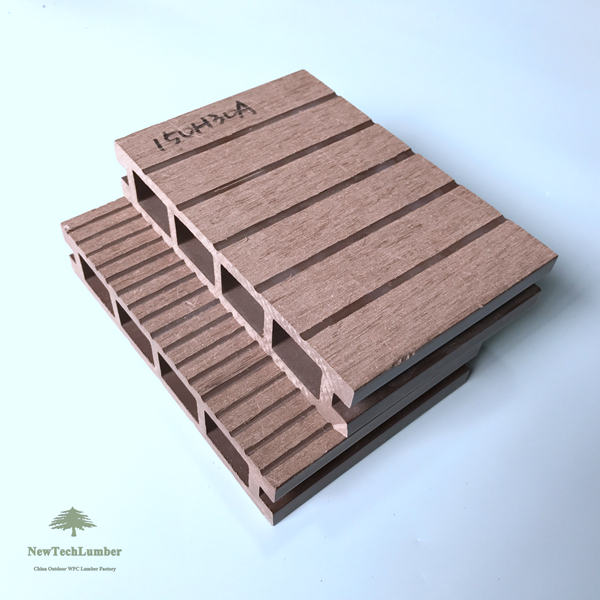
The subframe must also allow water drainage beneath the decking. I normally install joists with enough clearance from the ground and maintain ventilation channels so moisture does not remain trapped. Stainless steel screws or corrosion-resistant fixing systems are preferred for exposed locations, especially coastal areas. For wall cladding projects, the support battens must be accurately aligned because uneven framing will affect the final appearance of the panels.
Fixing Methods, Cutting And Expansion Gaps
WPC decking requires careful fixing because composite materials naturally expand and contract with temperature changes. During installation, I leave the recommended expansion gaps between boards, at the ends of boards and around fixed structures such as walls, posts and drainage channels. These gaps prevent pressure build-up during hot weather and help maintain the original shape of the deck surface.
Hidden clips are commonly used for decking because they create consistent spacing and provide a cleaner appearance. In some applications, face fixing with suitable screws is selected for additional holding strength. Cutting should be completed with sharp tools designed for composite materials to achieve clean edges without damaging the surface layer. I always measure twice before cutting, especially around corners, stair areas and railing connections where mistakes are difficult to correct.
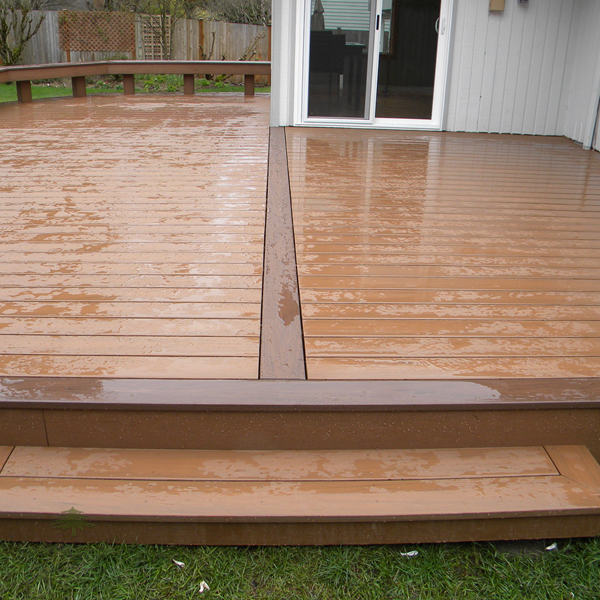
For wall cladding systems, the installation sequence is equally important. Panels should be fixed from the correct starting point, with alignment checked regularly during progress. Expansion allowance must also be maintained around windows, doors and external corners. Small installation errors can become highly visible across a large exterior wall, so precision during the early stages saves significant adjustment work later.
Maintenance Practices For Long-Term Outdoor Performance
After completing the installation, I advise project owners and maintenance teams to follow a simple cleaning routine. Composite decking and wall panels should be washed regularly with clean water to remove dust, pollen and surface dirt. Mild soap can be used for deeper cleaning, while harsh chemicals and abrasive tools should be avoided because they may affect the finish.
Regular inspections are useful for commercial properties, hotels, landscape projects and residential developments. I check railing connections, fasteners, drainage areas and visible board movement during maintenance visits. A dependable overseas supplier should also provide after-sales support, replacement advice and technical guidance if the installation team encounters unexpected conditions.
Supplier Evaluation For International WPC Projects
Selecting a WPC supplier overseas requires attention to manufacturing capability, quality standards and communication efficiency. I recommend checking whether the factory can provide production samples, testing reports, installation manuals and customised solutions before placing large orders. Consistent colour control, accurate dimensions and reliable packaging are especially important for international shipping because replacement materials may require additional time and expense.
From my experience on installation sites, the best results come from cooperation between designers, engineers, installers and manufacturers. A supplier that understands practical installation challenges can offer better railing designs, improved fixing systems and suitable profiles for different environments. This approach helps ensure that composite decking and wall cladding systems perform well from initial installation through years of outdoor use.