
Professional WPC Fixing Techniques for Composite Decking Installation
Installing composite decking materials requires more than placing boards over a support frame. A professional WPC installation process depends on accurate substructure preparation, correct spacing, suitable fasteners, and careful consideration of environmental conditions. As an architectural material consultant, I assess WPC decking as an engineered exterior solution that combines recycled polymers and wood fibres to create a stable surface for residential, commercial, and landscape projects.
Professional fixing techniques begin with a level and durable joist system. Installers must maintain correct gaps between boards to allow thermal expansion, drainage, and ventilation. Hidden clips, stainless steel screws, and edge fastening systems are commonly used to achieve a clean appearance while maintaining structural performance. Poor fixing methods can lead to board movement, water retention, or surface distortion, reducing the expected service life of the decking system.
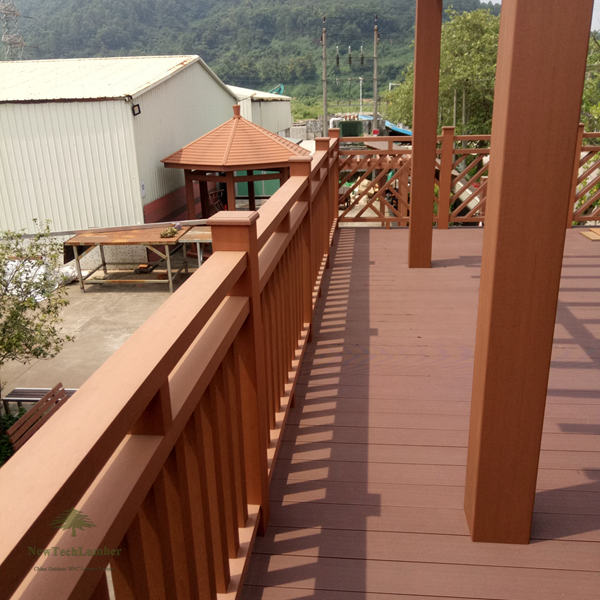
WPC Decking Performance Compared With Natural Wood
Natural wood has long been used for outdoor terraces because of its warm appearance and traditional character. Species such as cedar, pine, and hardwoods can provide attractive finishes, but timber performance depends heavily on climate exposure and maintenance quality. Without regular sealing, staining, or protective treatment, natural wood may absorb moisture, develop cracks, fade under ultraviolet radiation, or become vulnerable to insects and fungal decay.
Outdoor WPC offers improved resistance against many of these issues. Composite decking materials are designed to withstand moisture, temperature changes, and everyday outdoor use with lower maintenance demands. Unlike untreated timber, WPC does not require frequent painting or oiling to maintain its appearance. However, WPC has its own considerations, including higher initial material costs and the need for professional installation to achieve the designed lifespan. Timber can sometimes be repaired through sanding and refinishing, while damaged composite boards usually require replacement.
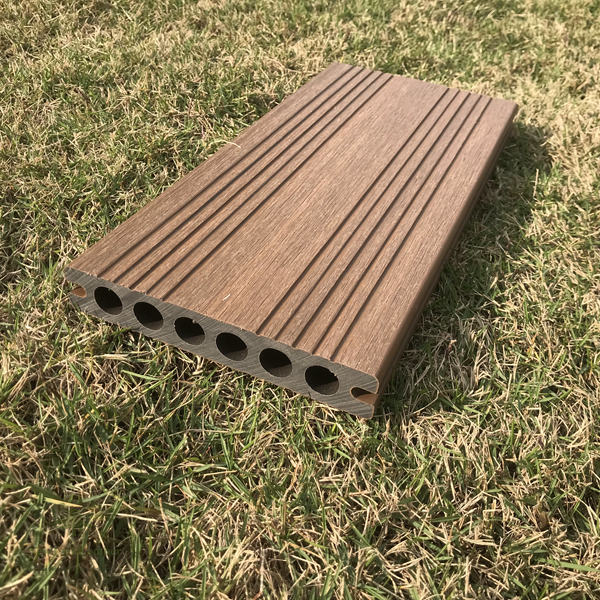
Lifecycle Costs and Exterior Material Selection
Material selection for outdoor applications should consider the complete lifecycle rather than only the purchase price. Traditional timber often has a lower upfront cost, but ongoing expenses for coatings, repairs, cleaning products, and labour can increase total ownership costs. In wet or highly exposed locations, these maintenance requirements become more significant.
Aluminium decking systems provide excellent resistance to corrosion, fire, and moisture, making them suitable for specialised architectural projects. They are lightweight and require minimal maintenance, but aluminium usually has a higher purchase cost and a different visual character that may not match natural outdoor environments. Compared with aluminium, WPC provides a warmer appearance and a surface texture closer to wood while offering better weather resistance than standard timber. Other exterior materials such as stone and concrete can deliver exceptional durability, yet they are heavier, less flexible during installation, and may create greater structural demands.
Design and Installation Considerations for WPC Projects
WPC decking design involves coordination between product engineers, installation technicians, landscape consultants, and architects. Board profile, thickness, span distance, colour stability, drainage design, and fixing accessories all influence final performance. Commercial projects often require additional planning because pedestrian traffic, accessibility standards, and long-term appearance expectations must be considered.
A skilled installer evaluates ground conditions, ventilation beneath the deck, expansion zones near walls or fixed structures, and local weather patterns. Coastal areas, for example, may require corrosion-resistant accessories due to salt exposure. In international projects, professional teams also consider transport conditions, packaging protection, and regional construction practices to ensure the product performs as intended after delivery.
Maintenance Requirements and Long-Term WPC Value
Although WPC requires less maintenance than natural timber, regular cleaning remains important. Dust, leaves, food stains, and organic debris should be removed to prevent surface marking and moisture accumulation. Mild detergent and water are generally sufficient for routine care, while harsh chemicals should be avoided because they may affect the surface finish.
For property developers, factory owners, and material specialists, WPC represents a balance between appearance, durability, installation efficiency, and environmental considerations. Recycled content, reduced chemical treatment requirements, and long service periods make WPC suitable for many sustainable building projects. Correct fixing methods remain essential because even high-quality materials depend on accurate installation to achieve reliable outdoor performance across many years.