
Significance of Packaging for Plastic Wood Deck Floors
When it comes to delivering outdoor solutions like plastic wood deck floors, effective packaging is not merely a logistical necessity but a strategic imperative. The unique characteristics of WPC (Wood Plastic Composite) products demand careful consideration in packaging design to ensure they withstand the rigours of long-distance ocean transportation. Packaging engineers must assess various factors, including the physical properties of the decking boards, wall panels, and profiles, to develop solutions that mitigate risks during transit.
Plastic wood deck floors are often subject to environmental changes, which can affect their structural integrity. Therefore, packaging must create a stable micro-environment around these products. This involves using moisture-resistant materials and ensuring that the products are securely packed to prevent movement. Engineers often choose custom-designed crates or boxes, which not only provide a snug fit but also guard against impacts and abrasions that can occur during handling and shipping.
Material Selection for Protection
The choice of packaging materials plays a vital role in protecting plastic wood deck floors. In the pursuit of durability, packaging engineers often opt for high-density polyethylene and corrugated cardboard, which offer excellent strength and moisture resistance. These materials are lightweight yet robust, allowing for efficient transport without compromising the safety of the products inside.
In addition to primary packaging, secondary protective layers are frequently employed. Stretch films, bubble wraps, and foam padding can be used to cushion the deck boards and prevent scratches. These materials must be chosen based on their compatibility with WPC products to avoid any chemical reactions that could lead to degradation.
Optimising Packaging Design for Transport
Packaging design must also consider stackability and space efficiency. A well-optimised package not only offers protection but also maximises the space within shipping containers. Engineers meticulously calculate dimensions and weights to ensure that containers are loaded efficiently, reducing shipping costs and minimising the carbon footprint of transport.
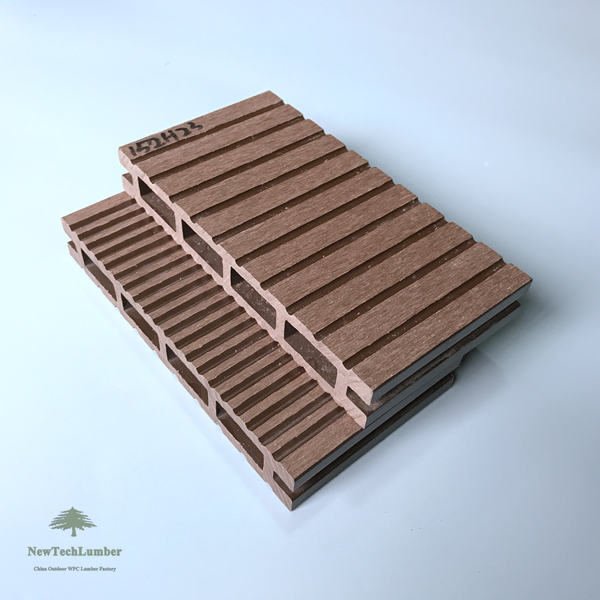
For plastic wood deck floors, stacking arrangements must take into account the weight distribution across the products to avoid warping or bending. This is particularly important, as improperly loaded products can lead to damage not just to the decking itself but also to other items in the shipment. Engineers conduct extensive testing and simulations to identify the best stacking configurations that maintain the integrity of the products.
Ensuring Compliance with International Standards
The international shipping of plastic wood deck floors necessitates adherence to various regulations and standards. Packaging engineers must stay informed about the latest compliance measures, which may vary by region. This includes ensuring that packaging materials meet environmental sustainability standards, a growing concern in today’s eco-conscious market.
Moreover, packaging must include appropriate labelling to inform handlers about the contents and any necessary precautions during transport. This is crucial for maintaining the safety of the products and ensuring that they are treated with the proper care throughout their journey.
Innovations in Packaging Technology
The evolution of packaging technology has introduced new possibilities for protecting plastic wood deck floors. Engineers are increasingly exploring biodegradable packaging materials as a sustainable alternative to traditional plastics. These innovations not only address environmental concerns but also appeal to a market that values eco-friendly solutions.

Furthermore, advancements in smart packaging technology are emerging, which can provide real-time data regarding the condition of the shipment. Sensors embedded in the packaging can detect factors such as temperature, humidity, and impacts, allowing for immediate responses to potential problems, thereby guaranteeing the safety of the products over long distances.