
Formula Engineering Approach for WPC Wall Panel Installation
As a WPC application engineer, I evaluate wall panel installation through material formulas, structural conditions and environmental requirements rather than treating panels as simple decorative surfaces. Outdoor WPC wall panels are produced with a controlled blend of wood fibre, polymers, additives and colour stabilisers. The formula influences dimensional stability, moisture resistance, surface performance and long term appearance. Before installation, engineers should confirm the panel specification, climate conditions and expected service environment.
For professionals searching for how to install wpc wall panels, the process begins with checking the supporting wall, planning the fixing system and allowing appropriate expansion gaps. A qualified installation method normally includes a level framework, corrosion resistant fasteners and correct spacing between support profiles. These details help the panels adapt to temperature changes and maintain a clean exterior finish.
Material Selection and Technical Preparation
WPC wall panel applications require careful material selection based on location. Residential gardens often use panels for boundary features, privacy walls, outdoor kitchens and decorative backgrounds around planting areas. In these spaces, I recommend products with good colour retention and resistance to frequent exposure to rain, sunlight and soil moisture. The installation design should also consider access for maintenance and cleaning.
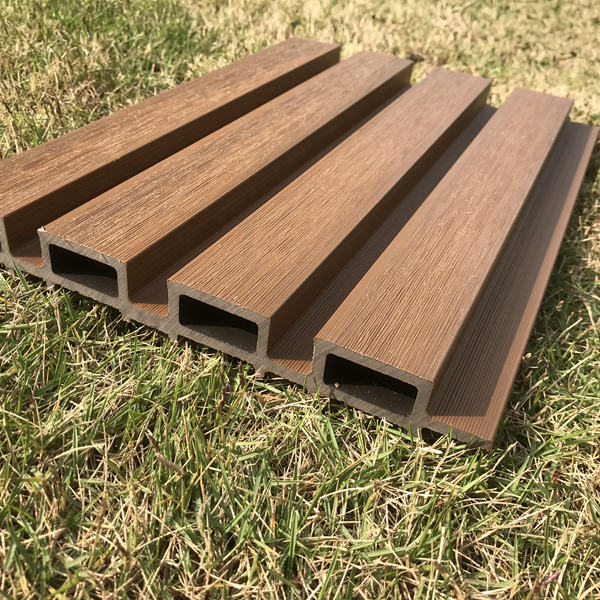
Commercial landscapes, hotels and public facilities usually require stronger project planning because of higher visitor traffic and stricter appearance standards. Hotel entrances, outdoor dining areas, park structures and community facilities can benefit from WPC wall systems that create natural textures while reducing maintenance demands compared with traditional timber cladding. Engineers should match panel profiles, substructures and fixing accessories with the project drawings before construction begins.
Application Areas for Outdoor WPC Wall Systems
Outdoor WPC products are suitable for many architectural environments. In garden projects, wall panels can define different functional zones, enhance landscape backgrounds and complement wooden decking or pergola structures. On balconies, lightweight WPC cladding can improve privacy and create a warmer visual atmosphere without the regular painting requirements associated with natural wood.
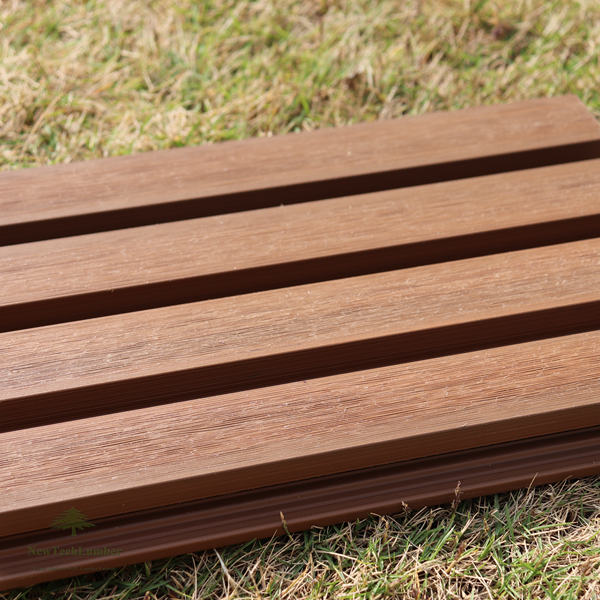
Swimming pool areas need special attention because surfaces are exposed to humidity, splashing water and chemical residues. WPC wall panels used near pools should have suitable moisture resistance and should be installed with ventilation space behind the panels. For parks and public facilities, designers often use WPC wall systems on rest areas, visitor centres and outdoor corridors to combine practical protection with a natural appearance.
Professional Installation Recommendations for Different Projects
Each application requires adjustments to the installation method. For hotels and commercial landscapes, the support structure should be carefully calculated according to panel height, wind conditions and building requirements. For balconies and residential gardens, installers should focus on accurate alignment, safe anchoring and clean edge finishing. WPC mold design engineers and installation technicians should work together to ensure that panel dimensions and connection details match the final design.
Landscape engineering consultants and architectural material consultants should also consider how WPC panels interact with other materials such as stone, metal, glass and concrete. A well planned transition between materials improves the overall visual quality of the project. Factory teams can support OEM projects by providing customised colours, surface textures, panel sizes and packaging solutions according to regional market requirements.
Quality Control and Long Term Performance Management
Quality inspection is an important part of every WPC wall panel project. Raw material quality control engineers should verify polymer content, wood fibre consistency and additive performance before production. During manufacturing, extrusion technology engineers monitor temperature, pressure and cooling processes to maintain accurate panel dimensions. These production controls directly affect installation efficiency and finished project quality.
After installation, after-sales service engineers can provide guidance on cleaning methods, inspection schedules and replacement procedures if required. Sustainable building materials specialists also evaluate WPC products for reduced maintenance needs and improved resource efficiency. With correct formula engineering, suitable application planning and professional installation, outdoor WPC wall panels can serve residential, commercial and public projects with reliable performance.