
Composite Deck Overhang Design Considerations
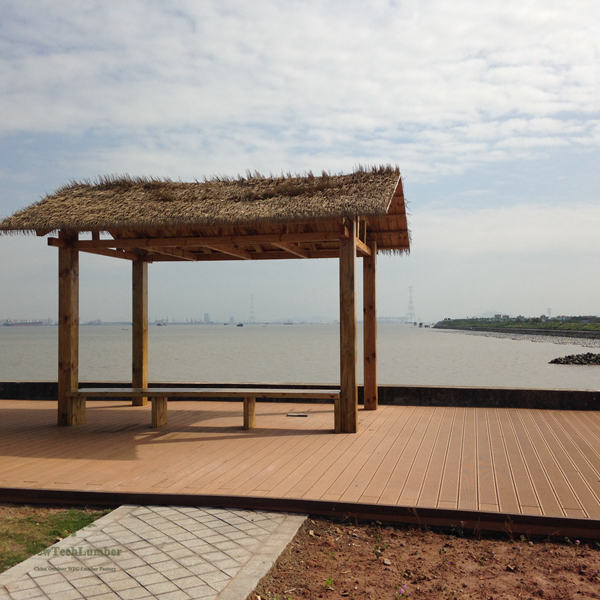
The design of a composite deck overhang is an integral aspect of creating a high-performing outdoor structure. As a WPC formulation development engineer, it is essential to understand how various design elements can impact durability, aesthetics, and functionality. The overhang not only enhances the visual appeal of the deck but also protects it from environmental elements such as rain and sun, prolonging its lifespan. The choice of materials plays a pivotal role in determining the overall performance of the deck overhang, requiring careful consideration of the wood plastic composite (WPC) formulation used.
Wood plastic composites are typically made from a combination of wood fibres and thermoplastics. The proportions of these materials will greatly influence the mechanical properties and durability of the composite deck overhang. Achieving the right balance between wood fibre content and plastic ratio is crucial; too much wood can lead to moisture absorption, while excessive plastic may result in a reduction in the natural aesthetic look and feel. Finding that perfect balance is vital to ensure that the deck not only looks good but also stands the test of time.
Enhancing Durability with Additives
Incorporating specific additives into the composite formulation can significantly enhance the performance of the deck overhang. For instance, UV stabilisers can be added to prevent fading and degradation caused by sun exposure. Additionally, antimicrobial agents can be integrated to reduce the growth of mould and mildew, which is particularly important in humid climates. The right additives can improve not just the lifespan of the product, but also its safety and ease of maintenance. However, the selection and proportions of these additives must be carefully managed to prevent overspending while still achieving the desired performance enhancements.
Cost control is another critical factor when designing composite deck overhangs. Engineers must ensure that the selected materials and additives are affordable while still meeting quality standards. By conducting thorough market research and material testing, it is possible to identify cost-effective solutions without compromising on quality. Balancing cost and performance is a constant challenge in this industry, requiring innovative approaches and strategic planning.

Testing and Quality Control
Quality inspection protocols must be implemented at every stage of the manufacturing process. This not only ensures consistency in product performance but also builds trust with consumers. A well-tested composite deck overhang will lead to higher customer satisfaction and fewer complaints, ultimately benefiting the brand’s reputation in the competitive market.
Designing for Aesthetics and Functionality
While durability and cost are paramount, the aesthetic appeal of a composite deck overhang cannot be overlooked. The visual qualities of WPC materials can be enhanced through various finishes and colours, allowing designers to create stunning outdoor spaces that meet the diverse preferences of homeowners. This aesthetic versatility is one of the key selling points of composite materials, contributing to their popularity in landscaping and outdoor design.
Functionality is also a crucial aspect when designing composite deck overhangs. The overhang should provide adequate protection for the decking below while allowing for proper drainage to prevent water pooling. Thoughtful design can not only enhance the performance of the structure but also improve the overall user experience in outdoor living spaces. Careful consideration of the overhang’s dimensions and shape will contribute to its effectiveness in protecting the underlying materials.
Future Trends in WPC Formulation
As the demand for sustainable building materials continues to grow, the future of WPC formulation is likely to focus heavily on eco-friendly alternatives. The incorporation of recycled materials into composite formulations is leading the way towards more sustainable practices in the industry. Consumers are increasingly looking for products that are not only durable but also environmentally responsible, pushing manufacturers to innovate and adapt.
Moreover, advancements in technology are allowing for better processing techniques and formulations. These innovations can lead to composites that are lighter, stronger, and more resistant to environmental stressors. By staying abreast of these developments, WPC formulation engineers can ensure that their products remain competitive and aligned with market trends, ultimately leading to better outdoor structure performance.