
Get the Best Price for Exterior WPC Wall Panels: Affordable and High-Quality
When it comes to constructing or renovating exterior walls, many homeowners and builders are looking for materials that combine aesthetics, durability, and affordability. One material that has gained considerable popularity in recent years is Wood Plastic Composite (WPC) wall panels. These panels not only provide an attractive finish but also offer numerous advantages in terms of maintenance and sustainability. Understanding the production process of WPC wall panels can help consumers make informed decisions and find the best price for high-quality products.
WPC is a composite material made from a mixture of wood fibers and plastic. This combination allows for the creation of panels that mimic the appearance of natural wood while providing the inherent benefits of plastic, such as resistance to moisture and pests. The production of WPC wall panels involves several key steps that contribute to their quality and performance.
The first stage in the manufacturing process is the selection of raw materials. High-quality wood fibers, often sourced from recycled wood products, are chosen for their strength and durability. The plastic component is typically made from recycled polyethylene or polypropylene, which not only reduces waste but also enhances the environmental credentials of the final product. By using sustainable materials, manufacturers can appeal to eco-conscious consumers who are looking for green building solutions.
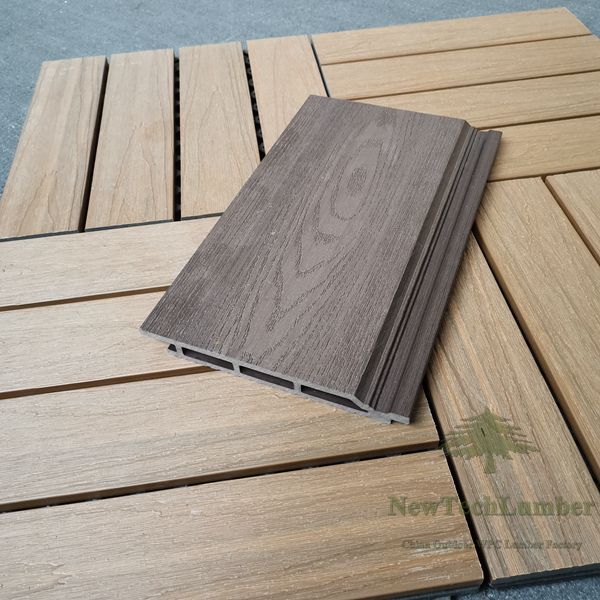
Once the raw materials are selected, they undergo a process called compounding. During this phase, the wood fibers and plastic are blended together in specific ratios to achieve the desired properties of the final product. This blending process is critical, as it determines the strength, flexibility, and overall performance of the WPC wall panels. Advanced mixing equipment ensures that the components are thoroughly combined, resulting in a uniform material that can withstand the rigors of outdoor use.
After compounding, the mixture is subjected to a process known as extrusion. In this step, the compounded material is heated and forced through a die to create the desired shape and thickness of the wall panels. Extrusion allows for precise control over the dimensions and surface texture of the panels, ensuring that they meet industry specifications. The ability to produce large quantities of panels in a continuous process also contributes to cost-effectiveness, making it easier for manufacturers to offer competitive pricing.
Following extrusion, the panels are cooled and cut to size. This is a critical phase as it ensures that the panels maintain their shape and integrity. Quality control measures are implemented at this stage to check for any defects or inconsistencies in the panels. Manufacturers often conduct rigorous testing to ensure that the panels can withstand various environmental conditions, including UV exposure, temperature fluctuations, and moisture.

The finishing process is where the aesthetic qualities of WPC wall panels are enhanced. Manufacturers can apply various textures, colors, and surface treatments to achieve the desired look. This customization allows consumers to choose panels that complement their architectural style while still benefiting from the durability and low maintenance of WPC. The ability to produce panels that closely resemble natural wood, with options for staining or painting, further increases their appeal in the market.
One of the significant advantages of WPC wall panels is their low maintenance requirements. Unlike traditional wood, WPC does not require regular staining or sealing to protect it from the elements. This characteristic not only saves homeowners time and money but also extends the lifespan of the panels. Given that maintenance costs can accumulate over time, opting for WPC wall panels can be a cost-effective choice in the long run.
When seeking the best price for exterior WPC wall panels, consumers should consider several factors beyond just the initial cost. The quality of the materials used, the manufacturing process, and the reputation of the manufacturer all play crucial roles in determining value. Investing in high-quality WPC panels may come with a slightly higher upfront cost, but the benefits of durability, reduced maintenance, and enhanced aesthetics can lead to substantial savings over time.
Additionally, it is essential to explore different suppliers and manufacturers to find competitive pricing. Many companies offer promotions or bulk purchase discounts, which can significantly reduce costs for large-scale projects. Comparing products from various sources can help consumers identify the best value while ensuring they do not compromise on quality.
In the quest for affordable and high-quality exterior WPC wall panels, understanding the production process provides valuable insights. From the careful selection of sustainable raw materials to the advanced manufacturing techniques employed, each step contributes to the overall performance and aesthetic appeal of the panels. By considering both quality and price, consumers can make informed choices that enhance their properties while also being mindful of budget constraints.