
Gardenis Composite Decking: Create a Stunning Outdoor Oasis
Creating an outdoor oasis is a dream many homeowners aspire to achieve. One of the most significant aspects of designing such a space is selecting the right materials. Gardenis Composite Decking has emerged as a leading choice for outdoor flooring, combining aesthetic appeal with durability and sustainability. This decking solution is not only visually stunning but also represents a significant advancement in material production technology.
The production process of Gardenis Composite Decking begins with the careful selection of raw materials. The primary components are typically a blend of wood fibers and recycled plastic. This combination is pivotal in achieving the desired strength and resilience of the decking boards. The wood fibers provide a natural appearance and texture, mimicking traditional timber, while the recycled plastic enhances durability, making the boards resistant to moisture, insects, and fading from sunlight.
Once the raw materials are chosen, the next step involves a meticulous process known as compounding. During compounding, the wood fibers and recycled plastic are mixed with various additives. These additives can include UV stabilizers, color pigments, and anti-fungal agents. The goal is to enhance the performance characteristics of the composite material. For instance, UV stabilizers help prevent the color from deteriorating over time, ensuring that the decking maintains its vibrant look. Meanwhile, anti-fungal agents protect against mold and mildew, which can be particularly problematic in outdoor environments.
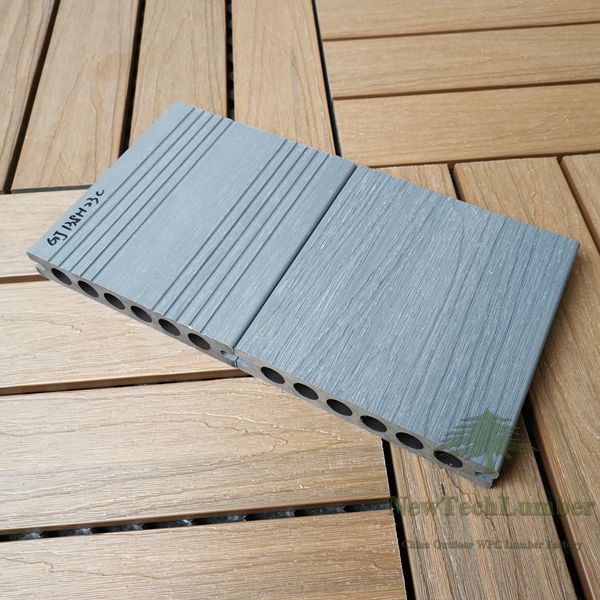
Following the compounding phase, the mixed material undergoes a process called extrusion. This involves heating the composite mixture until it becomes pliable and then forcing it through a mold to create the desired shape and size of the decking boards. The extrusion process is crucial as it allows for the creation of uniform boards with consistent dimensions, ensuring easy installation and a polished final appearance. The ability to produce boards in various lengths and widths caters to different design preferences and project requirements.
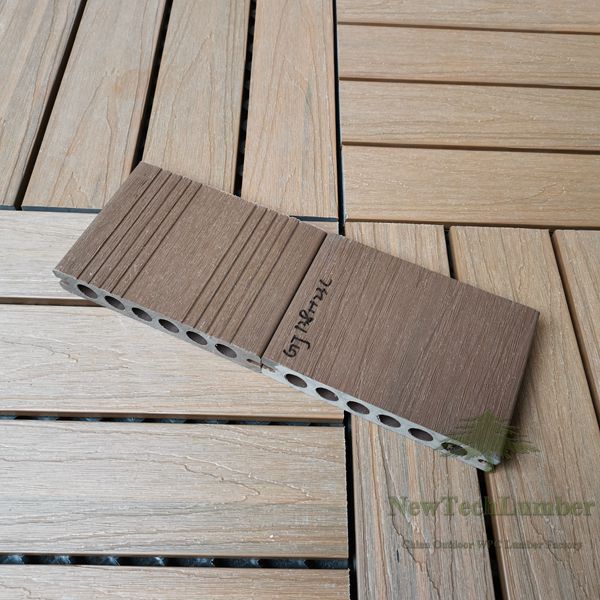
After extrusion, the boards are cooled and cut to size. At this stage, manufacturers often employ additional processes to enhance the surface texture of the decking. For example, some boards may undergo a process called embossing, which creates a wood-like grain pattern on the surface. This not only adds to the visual appeal but also provides additional slip resistance, making the decking safer for outdoor use.
Quality control is an essential aspect of the production process. Each batch of Gardenis Composite Decking undergoes rigorous testing to ensure it meets industry standards for durability, slip resistance, and overall performance. This commitment to quality ensures that homeowners can trust their decking to withstand the elements while maintaining its beauty over time.
Sustainability is a significant factor in the appeal of Gardenis Composite Decking. By utilizing recycled materials, the production process significantly reduces waste and lowers the environmental impact associated with traditional wood decking. The use of wood fibers sourced from sustainable forests further enhances its eco-friendly credentials. Homeowners looking to create an outdoor oasis can feel good about their choice, knowing they are contributing to a more sustainable future.
The versatility of Gardenis Composite Decking is another reason it has gained popularity among homeowners and designers alike. Available in a variety of colors and finishes, it can complement any outdoor aesthetic, from modern minimalist designs to rustic charm. This adaptability allows homeowners to express their personal style while creating a functional outdoor space for relaxation and entertainment.
Installation of Gardenis Composite Decking is straightforward, thanks to its interlocking design and lightweight nature. Many homeowners opt for DIY installation, which can save costs and provide a sense of accomplishment. However, for those who prefer a professional touch, numerous contractors are experienced in working with composite materials, ensuring a seamless installation process.
Maintenance of Gardenis Composite Decking is minimal compared to traditional wood decking. Unlike wood, which requires regular staining and sealing to protect against moisture and UV damage, composite decking is inherently resistant to such issues. A simple wash with soap and water is typically sufficient to keep the boards looking pristine. This ease of maintenance allows homeowners to spend more time enjoying their outdoor oasis rather than worrying about upkeep.
Finally, the long-term value of Gardenis Composite Decking cannot be overlooked. While the initial investment may be higher than that of traditional wood decking, the durability and low maintenance requirements lead to significant savings over time. Homeowners can enjoy their beautiful outdoor spaces without the constant worry of repairs or replacements, making it a wise investment for those looking to enhance their property.
Gardenis Composite Decking represents a significant evolution in the outdoor living market. Its combination of aesthetic appeal, durability, sustainability, and ease of maintenance makes it an ideal choice for anyone looking to create a stunning outdoor oasis. By understanding the production process and the benefits that come with choosing composite decking, homeowners can make informed decisions that will enhance their outdoor experiences for years to come.