
The Process of WPC Panel Wall Design
Wood Plastic Composite (WPC) panels have become increasingly popular for modern buildings, offering aesthetic appeal and durability. The process begins with selecting the right materials, usually a combination of wood fibres and thermoplastics such as polyethylene or polypropylene. The choice of these materials greatly influences the final properties of the WPC, including its strength, flexibility, and resistance to environmental factors. Careful consideration must be given to the quality of both the wood and plastic components, as this will impact the overall performance and longevity of the panel wall design.
Once the materials are selected, the first step in production is material mixing. This is a critical phase where the wood fibres and plastic resin are blended in precise proportions. Additives may also be included at this stage to enhance specific properties like UV resistance or colour. This mixture must achieve a homogeneous consistency to ensure the quality of the final product. Proper mixing techniques and equipment are vital in eliminating inconsistencies, which can lead to weak points in the finished panels.
Granulation pour la cohérence
Following material mixing, the next step is pelletizing, where the blended material is formed into small pellets. This process typically involves extrusion through a die, producing strands of WPC that are then cooled and cut into uniform pellets. Pelletising not only aids in the handling of the material but also ensures that it can be efficiently fed into the extrusion machine in the next stage. Uniform pellet size is essential for maintaining consistent flow rates and ensuring even melting during extrusion, which directly affects the quality of the WPC panel.
During pelletizing, it is important to control the temperature carefully, as excessive heat can degrade the material, while insufficient heat can prevent proper melting. The precise balance of temperature settings, along with the quality of the equipment, will determine the overall flow characteristics of the material in subsequent processing.
Contrôle de la température d'extrusion
The extrusion process is where the magic happens. The pellets are fed into an extruder, where they are heated to a specific temperature that allows them to melt and flow easily. Temperature control is paramount in this phase, as different formulations of WPC may require different melting points to achieve optimal flow characteristics. A typical extrusion temperature might range from 160 to 220 degrees Celsius depending on the composition of the material.
Proper temperature monitoring not only affects the viscosity of the molten material but also influences the structural integrity of the final product. If the material is too hot, it can lead to degradation and loss of strength. Conversely, if it is not heated enough, the resulting panels may exhibit poor surface finish and mechanical properties, which are crucial for any WPC panel wall design. Thus, engineers must implement rigorous temperature controls throughout the extrusion process.
Mold Design and Cooling Calibration
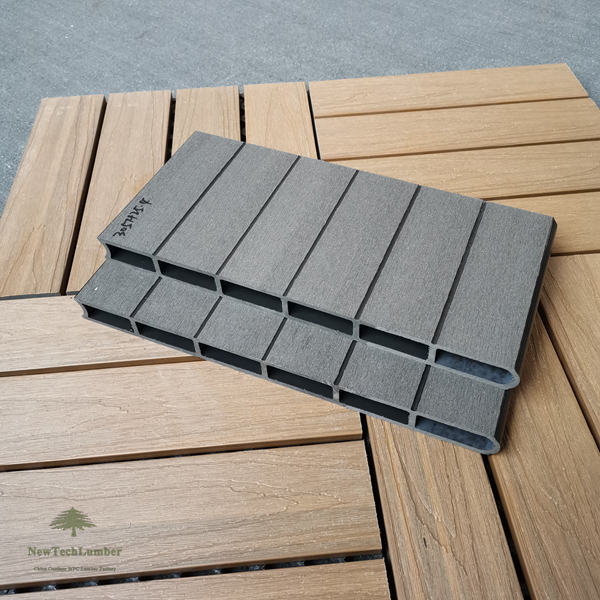
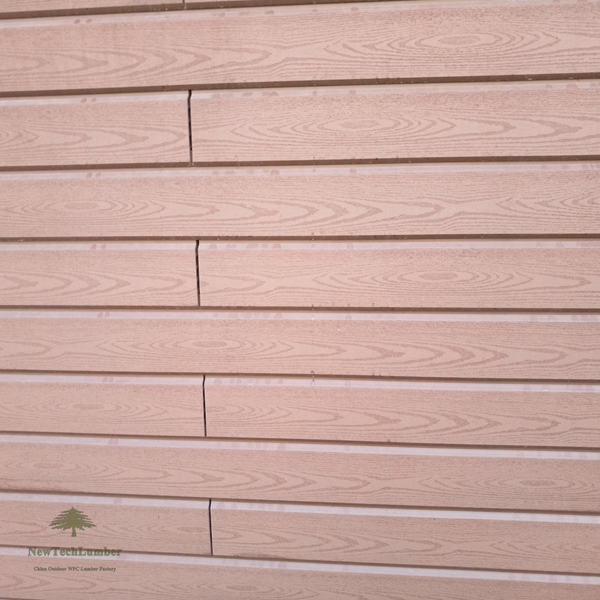
Once the material is extruded, it is shaped into panels using specially designed molds. The design of these molds is crucial, as it not only defines the dimensions and surface texture of the WPC panels but also their performance characteristics. Innovative mold designs can incorporate features that improve the panel’s aesthetics, such as grooves or textured patterns that mimic natural wood. The cooling calibration after molding is equally important, as it solidifies the panels into their final shape and prevents warping or distortion.
The cooling process often involves water or air cooling systems to ensure that the panels reach room temperature uniformly. Any inconsistency in cooling can lead to internal stresses, resulting in cracking or warping. Engineers must monitor the cooling rates closely to maintain the dimensional stability of the panels and ensure they meet design specifications.
Traitement de surface et finition
The final phase of production involves surface treatment and finishing of the WPC panels. Surface treatments can enhance the panels’ resistance to moisture, UV exposure, and physical abrasion. Techniques such as co-extrusion can be employed to apply a protective layer over the WPC core, significantly increasing its lifespan and maintaining its aesthetic appeal. Additionally, various finishing options, such as painting or laminating, can further enhance the visual attractiveness of the panels.
However, common production problems such as surface defects or inconsistent colouration can arise. These issues often stem from inadequate control during the earlier stages of production, particularly in material mixing and temperature regulation. Therefore, a robust quality control system is necessary to identify and rectify these problems before the panels are dispatched.
Challenges in WPC Panel Production
Even with advanced technology and a well-structured production process, several challenges persist in WPC panel production. Variability in raw materials can lead to inconsistencies in the final product, and fluctuations in environmental conditions during manufacturing can also impact the properties of the WPC. Proper training and skill development for technicians and engineers are critical to mitigating these challenges. Moreover, adopting innovative technologies and continuous monitoring can help ensure high standards in WPC panel wall design, making them a preferred choice for modern architecture.