
Composite Deck Profile Design And Material Performance
As a WPC extrusion mold design engineer, I evaluate composite decking quality by studying how raw materials and profile structures work together during extrusion, installation, and long term outdoor use. The quality of a WPC board depends not only on the wood fibre, polymer content, additives, and mixing process, but also on how the profile design controls mechanical behaviour. A well designed mold creates a profile that balances strength, weight, production efficiency, and application requirements.
For engineers asking composite deck how to evaluate product performance, the first step is analysing the relationship between material formulation and profile geometry. A board with suitable density and carefully designed internal sections can resist bending, reduce deformation, and maintain stable dimensions under changing weather conditions. The extrusion mold determines wall thickness, cavity arrangement, surface texture, and connection details, making it one of the most important factors in final product quality.
Hollow And Solid WPC Structures For Different Applications
Hollow and solid WPC structures provide different advantages depending on the project environment. Hollow profiles use internal cavities to reduce material consumption and overall board weight. This design lowers transportation costs and makes installation easier for workers handling large quantities of decking boards. However, the cavity shape must be carefully designed because uneven walls or weak internal support can affect load distribution.
Solid WPC profiles contain more material and generally offer higher impact resistance, making them suitable for areas with heavier foot traffic or demanding commercial applications. The increased material volume also affects production cost, cooling time, and extrusion speed. From a mold design perspective, the goal is not simply to add more material, but to create the correct structure for the expected load conditions. Proper rib placement inside hollow boards can provide similar functional performance while keeping weight and cost under control.
Rib Design And Load Bearing Performance
Internal rib design is a key engineering element in composite deck manufacturing. Ribs inside a hollow board act as support channels that improve stiffness and reduce the risk of bending between joists. The thickness, spacing, and direction of these ribs influence how forces move through the profile during use. A poorly designed rib structure may create stress concentration points, while a balanced design improves stability.
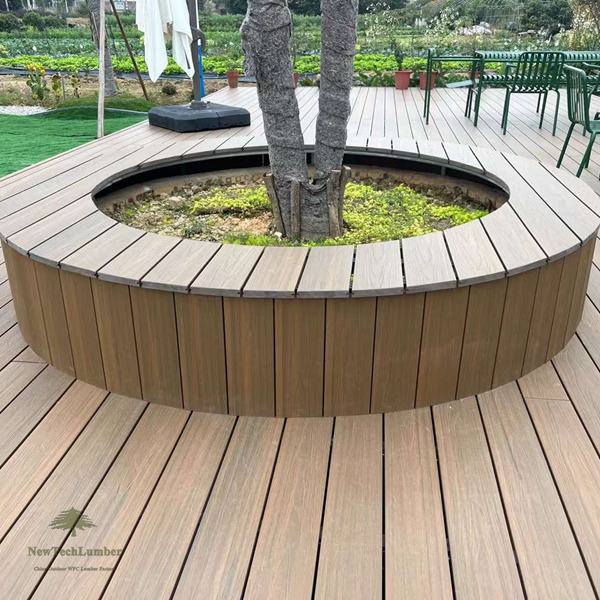
During mold development, engineers use profile testing and extrusion trials to adjust rib geometry. The correct design helps maintain consistent wall thickness, improves cooling behaviour, and reduces material waste. For outdoor WPC products, this attention to internal structure supports better installation performance because boards remain more stable during fixing and expansion cycles.
Surface Patterns And Installation Quality
Surface patterns are not only decorative features. The texture created by the extrusion mold influences slip resistance, appearance, cleaning requirements, and installation results. Wood grain patterns, brushed finishes, and embossed surfaces must be designed with suitable depth and consistency. Excessive texture depth may collect dirt, while insufficient texture may reduce visual appeal and functional grip.
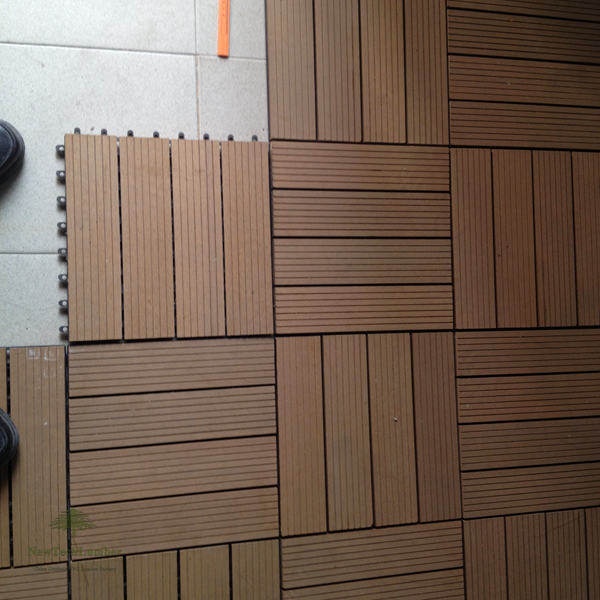
A precise surface design also helps manufacturers achieve consistent colour appearance across production batches. For designers, architects, and installation technicians, stable surface quality reduces the need for additional treatment after installation. The moulding process must control temperature, pressure, and material flow so that every board maintains the intended pattern and dimensional accuracy.
Raw Material Selection And Extrusion Control
Raw material evaluation remains closely connected with profile design. Wood fibre size, polymer type, moisture content, and additive selection all influence how a WPC compound flows through the extrusion mold. A profile designed for a specific formula may perform poorly if the raw materials change without adjustment. Quality control teams should monitor material consistency because small variations can affect strength, colour, and surface finish.
From a factory engineering viewpoint, successful WPC production requires cooperation between formula developers, extrusion engineers, mold designers, and quality inspectors. Each stage influences the final decking performance. A carefully designed profile combined with controlled raw materials can improve production stability, reduce defects, and create products suitable for international outdoor construction markets.
Profile Engineering For Cost Effective WPC Decking
WPC decking manufacturers must balance technical performance with commercial requirements. Profile dimensions, cavity design, rib structure, and surface treatment directly influence material usage and manufacturing costs. A professional mold design approach focuses on achieving the required strength without unnecessary weight or excessive raw material consumption.
For OEM projects and export markets, profile engineering also affects packaging efficiency, installation methods, and customer satisfaction. Boards with accurate dimensions and practical connection systems are easier to transport, install, and maintain. The final quality of composite decking is created through the combination of material science and precise extrusion design, allowing manufacturers to deliver reliable outdoor products for different architectural and landscape applications.