
Find the Cheapest composite decking Solutions for Your Outdoor Needs
When it comes to enhancing outdoor spaces, composite decking has gained popularity for its durability and low maintenance requirements. It provides an appealing alternative to traditional wood decking, combining aesthetics with functionality. However, finding the most cost-effective composite decking solutions requires understanding the production processes and material characteristics involved in manufacturing these products.
Composite decking is primarily made from a mixture of wood fibers and plastic, which can include recycled materials. The composite manufacturing process typically consists of several key stages, including material selection, compounding, extrusion, and finishing. Each stage significantly influences the final product’s quality, appearance, and price point.
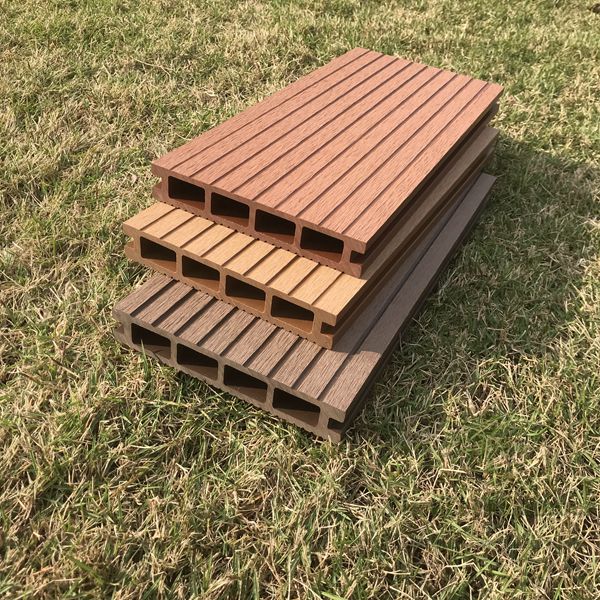
Material selection is a crucial first step in the composite decking production process. Manufacturers often choose a combination of wood flour and recycled plastic to create a product that mimics the look of natural wood while offering superior resistance to moisture, pests, and decay. The choice of materials can impact both the cost and performance of the decking. For instance, using post-consumer recycled plastics can reduce material costs and environmental impact, making it an attractive option for budget-conscious consumers.
Once the raw materials are selected, they undergo a compounding process where wood fibers and plastic are blended together. This mixture is then heated and formed into pellets or boards. The quality of the compounding process plays a significant role in the final product’s durability and appearance. Uniform blending ensures that the composite decking will not only look good but also perform well over time. Manufacturers that invest in advanced compounding technology can produce higher-quality materials at a lower cost, making their products more competitive in the market.
The extrusion process is where the blended material is shaped into the final product. During this stage, the composite mixture is heated and forced through a die to create long boards. The extrusion technique allows for consistent thickness and width, which are essential for easy installation and aesthetic appeal. However, this process can vary in complexity and cost depending on the equipment used and the desired design features. Higher quality extruders can produce more intricate designs, which might come at a premium price, but can also lead to greater consumer interest and potential sales.

Following extrusion, the composite boards typically undergo a finishing process, which may include texturing or coating. This step adds to the visual appeal and can enhance the slip resistance of the decking. Some manufacturers offer additional features such as fade resistance or enhanced color options, which can increase the overall cost of the product. Shoppers looking for the cheapest options may want to focus on simpler designs that still provide adequate performance without added features that drive up the price.
In addition to understanding the production process, consumers should also consider the long-term benefits of different composite decking solutions. While initial costs may be higher compared to traditional wood, the durability and low maintenance requirements of composite decking often lead to substantial savings over time. Composite materials do not require regular staining or sealing, which can significantly reduce upkeep costs. Furthermore, the longevity of composite decking means that homeowners may not need to replace their decking as frequently, further enhancing its cost-effectiveness.
Another factor to consider when searching for affordable composite decking is the availability of recycled materials. Many manufacturers have adopted sustainable practices by incorporating recycled plastics into their products. This not only lowers production costs but also appeals to environmentally conscious consumers. By choosing products made from recycled materials, buyers can often find lower prices while supporting eco-friendly initiatives.
When evaluating different composite decking options, it is essential to compare prices across various manufacturers and retailers. Online shopping can be a valuable tool for identifying the best deals, as many platforms offer customer reviews, detailed product specifications, and price comparisons. Additionally, local home improvement stores may have seasonal promotions or clearance sales that can lead to significant savings.
Another strategy for finding affordable composite decking solutions is to explore bulk purchasing options. Many suppliers offer discounts for larger orders, making it possible to achieve lower prices per square foot. This approach is particularly beneficial for those planning extensive outdoor projects or renovations.
Finally, consider the warranty and customer service offered by different manufacturers. A reputable company that stands behind its products with a strong warranty can provide peace of mind and potential savings should any issues arise. Investing in a quality product with good support can ultimately be a more economical choice in the long run.
In summary, finding the cheapest composite decking solutions requires a comprehensive understanding of the production processes, material choices, and market dynamics. By considering factors such as material selection, manufacturing techniques, and long-term benefits, consumers can make informed decisions that meet their outdoor needs while staying within budget.