
Explore the Versatility of Composite decking for Your Outdoor Spaces
Composite decking has emerged as a popular choice for outdoor spaces due to its remarkable versatility and durability. This type of decking combines wood fibers with recycled plastic, resulting in a material that not only looks great but also offers numerous practical benefits. The production process of composite decking plays a crucial role in its performance and appeal, making it a compelling option for homeowners seeking to enhance their outdoor living areas.
The manufacturing of composite decking typically involves several key steps. Initially, the raw materials are sourced, which includes both wood fibers and recycled plastics. The wood fibers are often derived from sawmill scraps or wood shavings, while the plastic can come from various sources, including post-consumer products like bottles and containers. This combination of materials not only makes composite decking an environmentally friendly choice but also contributes to its unique aesthetic appeal.
Once the raw materials are gathered, they undergo a process called compounding. This involves grinding the wood and plastic into smaller particles, which are then mixed together with additives that improve the performance of the final product. These additives may include colorants, UV stabilizers, and antifungal agents, all of which enhance the decking’s resistance to fading, mold, and mildew. The compounding process is critical as it ensures that the materials are uniformly mixed, which results in a consistent appearance and performance throughout the decking boards.
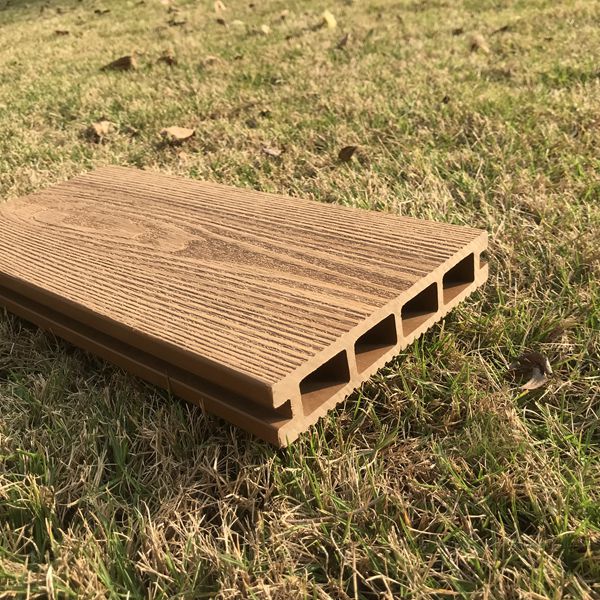
After compounding, the mixture is subjected to heat and pressure through a process known as extrusion. During this phase, the blended materials are forced through a mold that shapes the composite into long, continuous boards. The heat helps to fuse the wood fibers and plastic together, creating a strong bond that enhances the structural integrity of the decking. The extrusion process also allows for the creation of various textures and finishes, providing homeowners with a wide range of design options to suit their personal style.
One of the standout features of composite decking is its low maintenance requirements, which can be attributed to its production process. Unlike traditional wood decking, which often requires regular staining, sealing, and repainting to maintain its appearance, composite decking is designed to withstand the elements without significant upkeep. The additives included during production help to protect the surface from fading and staining, allowing homeowners to enjoy their outdoor spaces without the constant worry of maintenance.
Another aspect that adds to the versatility of composite decking is its resistance to environmental factors. The combination of wood and plastic in the production process results in a material that is less prone to warping, splitting, or cracking compared to natural wood. This durability makes composite decking an ideal choice for various climates and weather conditions, whether it be extreme heat, humidity, or freezing temperatures. Homeowners can feel confident that their investment will last for years, regardless of the environmental challenges they may face.
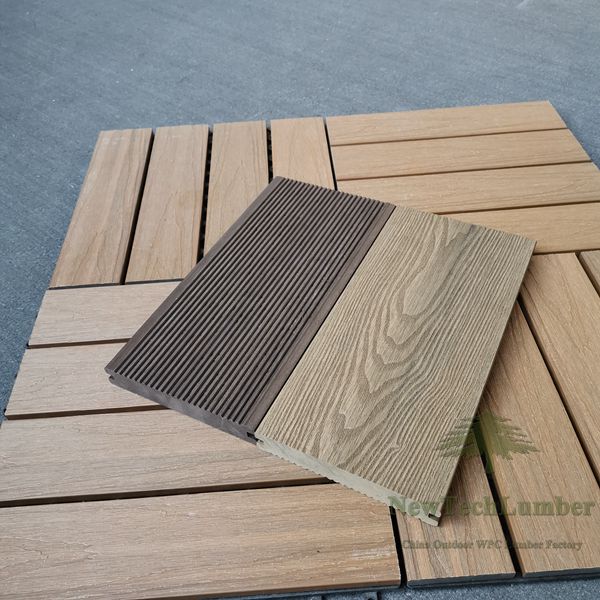
The aesthetic versatility of composite decking is also worth noting. With advancements in manufacturing technology, composite boards can be designed to mimic the appearance of natural wood grains and colors. This allows homeowners to enjoy the beauty of wood without the associated drawbacks. Additionally, composite decking is available in a variety of colors and finishes, making it easy to coordinate with other outdoor elements such as furniture, railings, and landscaping.
Furthermore, the installation of composite decking is designed to be straightforward and efficient. Many manufacturers offer decking boards with interlocking systems or hidden fasteners, which simplify the installation process and provide a clean, seamless look. This ease of installation is an appealing feature for both professional contractors and DIY enthusiasts, contributing to the growing popularity of composite decking in outdoor construction projects.
In terms of sustainability, composite decking stands out as a responsible choice for environmentally-conscious consumers. The use of recycled materials in its production helps to reduce waste and minimize the demand for virgin resources. Furthermore, the longevity and durability of composite decking mean that it does not need to be replaced as frequently as traditional wood decking, leading to less overall material consumption over time.
The versatility of composite decking extends beyond aesthetics and performance; it also enhances the functionality of outdoor spaces. Whether it is used for patios, pool decks, or garden pathways, composite decking provides a safe and comfortable surface for various outdoor activities. Its slip-resistant properties make it particularly suitable for areas exposed to moisture, further enhancing its appeal for families and individuals who prioritize safety in their outdoor environments.
As homeowners continue to seek innovative solutions for their outdoor spaces, composite decking remains a standout option. Its unique production process not only contributes to its durability and low maintenance but also offers an eco-friendly alternative to traditional wood decking. With a wide variety of colors, finishes, and textures available, composite decking can seamlessly integrate into any outdoor design, making it an ideal choice for enhancing the beauty and functionality of outdoor areas.