
Explore the Variety of Capped composite decking boards for Your Projects
When it comes to selecting materials for outdoor projects, capped composite decking boards have gained considerable traction among homeowners and builders alike. These boards offer a blend of aesthetics, durability, and low maintenance, making them an appealing choice for various applications. The versatility of capped composite decking boards means they can be used for everything from traditional deck builds to modern outdoor living spaces. Understanding the different types available can help you make informed decisions for your specific projects.
Capped composite decking boards are composed of a combination of wood fibers and plastic materials, providing the look of natural wood while enhancing its longevity and durability. One of the standout features of these boards is their protective cap, which is typically made from PVC or a similar plastic. This cap shields the board from moisture, UV rays, and other environmental factors that can lead to fading, warping, or splintering. The result is a product that retains its appearance and structural integrity over time, making it an ideal choice for outdoor use.
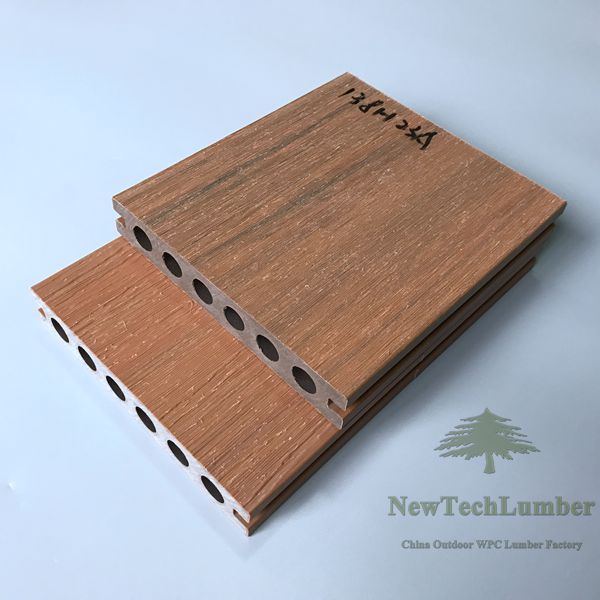
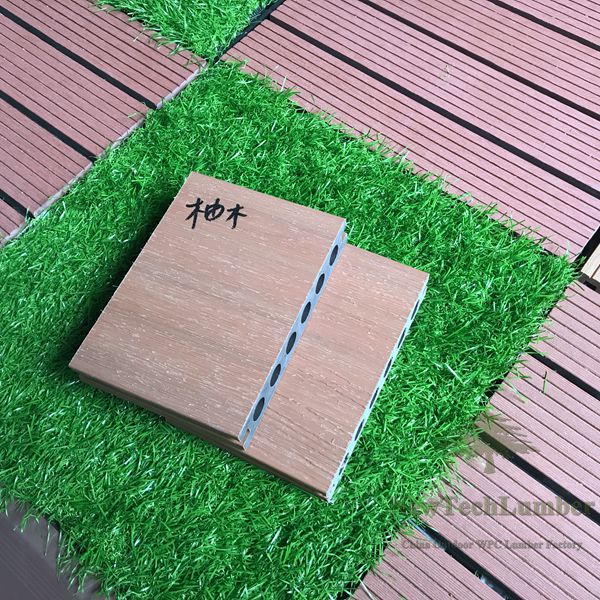
When exploring the variety of capped composite decking options, it is essential to consider the different styles and colors available. Many manufacturers offer a broad spectrum of colors that mimic the look of natural wood, allowing homeowners to choose a finish that suits their aesthetic preferences. Whether you prefer the warm tones of mahogany, the rustic charm of cedar, or the coastal feel of driftwood, there is likely a capped composite option that aligns with your vision. This variety enables you to create cohesive outdoor spaces that complement your home’s architecture and landscape design.
The texturing of capped composite decking boards is another critical consideration. Some products feature a smooth finish, while others come with a wood grain or embossed texture that enhances slip resistance. This texturing not only adds visual interest but also contributes to safety, especially in wet conditions. When selecting decking boards, consider the intended use of the space. For areas that may become slippery, such as around pools or outdoor kitchens, choosing boards with enhanced grip can provide peace of mind.
Additionally, capped composite decking boards offer different profiles and dimensions to suit various applications. Standard widths and lengths are available, but many manufacturers also provide custom sizing options. This flexibility allows builders to create unique designs, including curved shapes or intricate patterns that elevate the overall look of the deck. Furthermore, some brands offer hidden fastening systems that create a clean, seamless appearance, eliminating the need for visible screws and providing a polished finish.
Sustainability is another important factor driving the popularity of capped composite decking boards. Many products are made from recycled materials, making them an eco-friendly alternative to traditional wood decking. This aspect appeals to environmentally conscious consumers who want to make responsible choices without sacrificing quality or style. By opting for capped composite boards, homeowners can enjoy beautiful outdoor spaces while minimizing their environmental impact.
Maintenance is a significant advantage of capped composite decking boards compared to wood alternatives. Traditional wood decking requires regular staining, sealing, and maintenance to prevent decay and maintain its appearance. In contrast, capped composite boards are highly resistant to stains and require minimal upkeep. A simple wash with soap and water is often sufficient to keep them looking fresh. This low-maintenance characteristic is particularly attractive to busy homeowners who want to spend more time enjoying their outdoor spaces rather than maintaining them.
Cost considerations also play a crucial role in the decision-making process. While capped composite decking boards may have a higher initial cost compared to traditional wood, the long-term savings on maintenance and replacement make them a wise investment. The durability of these boards means they can withstand the elements and resist wear and tear, reducing the need for costly repairs or replacements down the line.
Another key aspect to consider is the warranty provided by manufacturers. Many capped composite decking products come with extensive warranties that guarantee their performance over several years. These warranties can offer additional peace of mind, knowing that you are investing in a product that is backed by the manufacturer’s commitment to quality.
When embarking on an outdoor project, understanding the variety of capped composite decking boards available can significantly enhance your design and functionality. With options that cater to a range of styles, textures, and colors, these boards provide a versatile solution for any outdoor space. Their durability, low maintenance, and sustainable nature make them an attractive choice for homeowners and builders alike. Whether you are designing a new deck, patio, or outdoor living area, considering capped composite decking can lead to a stunning and functional result that stands the test of time.