
Explore Plastic wood decking for Durable and Attractive Outdoor Spaces
Plastic wood decking, a modern innovation in outdoor construction, has gained significant popularity for its combination of durability and aesthetic appeal. As more homeowners and commercial property developers seek sustainable and low-maintenance options for outdoor spaces, plastic wood decking emerges as a compelling choice. This material, which blends recycled plastics and wood fibers, offers an array of benefits that make it suitable for various applications, from residential patios to commercial boardwalks.
One of the primary advantages of plastic wood decking is its exceptional durability. Unlike traditional wooden decking, which is susceptible to rot, splintering, and insect damage, plastic wood decking is engineered to withstand the elements. This resilience makes it an ideal choice for regions with harsh weather conditions, ensuring that outdoor spaces remain intact and visually appealing over time. The composite nature of plastic wood decking means it does not absorb water, reducing the risk of warping or cracking. As a result, property owners can enjoy their outdoor areas without the constant worry of maintenance or replacement.
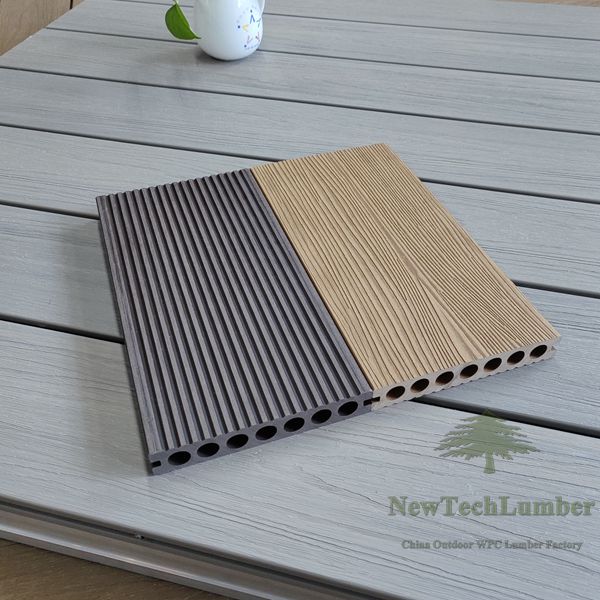
Aesthetic versatility is another key factor that drives the market for plastic wood decking. Available in a wide range of colors, textures, and finishes, it allows homeowners and designers to create personalized outdoor settings that reflect their unique style. Whether one prefers the classic look of natural wood or a more contemporary vibe, plastic wood decking can be tailored to meet diverse design preferences. The ability to mimic the appearance of traditional timber while providing superior performance makes it a favored choice for many.
Sustainability is increasingly becoming a priority for consumers, and plastic wood decking aligns well with this trend. Constructed from recycled materials, it represents an eco-friendly alternative to traditional wood products that often contribute to deforestation. By choosing plastic wood decking, property owners can reduce their environmental footprint while enjoying the benefits of a long-lasting product. This aspect resonates particularly well with environmentally conscious consumers and businesses that aim to promote sustainable practices.
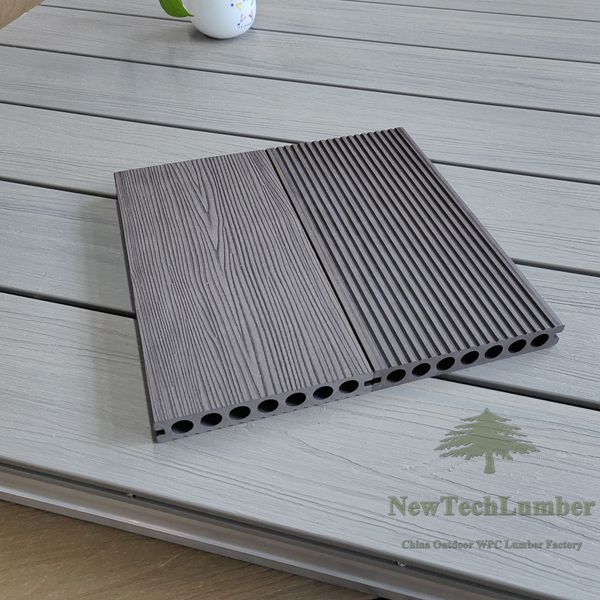
The low-maintenance nature of plastic wood decking is a significant selling point in today’s fast-paced world. Unlike traditional wood, which requires regular staining, sealing, and painting to maintain its appearance and structural integrity, plastic wood decking requires minimal upkeep. A simple wash with soap and water is usually sufficient to keep it looking clean and fresh. This ease of maintenance not only saves time and effort but also reduces long-term costs associated with upkeep and repairs. As such, property owners can invest their time in enjoying their outdoor spaces rather than worrying about their maintenance.
From a safety perspective, plastic wood decking provides additional advantages. Its slip-resistant surface offers enhanced safety for families, particularly in wet conditions. This feature is especially appealing for public spaces such as parks, pools, and restaurants where foot traffic is high, and safety is paramount. Moreover, plastic wood decking does not splinter, making it a safer option for children and pets who might be playing in these outdoor areas.
The market potential for plastic wood decking is vast, extending beyond residential applications. Commercial developments, such as restaurants, hotels, and resorts, are increasingly incorporating this material into their outdoor designs to create inviting and durable spaces. The long lifespan and minimal maintenance requirements of plastic wood decking make it an attractive investment for commercial property owners looking to enhance their outdoor environments while minimizing operational costs.
In addition to commercial spaces, public infrastructure projects are beginning to utilize plastic wood decking for boardwalks, piers, and park pathways. The ability to withstand harsh weather conditions while maintaining an attractive appearance makes it suitable for these applications. As urban areas continue to evolve, the demand for attractive and functional outdoor spaces grows, presenting opportunities for plastic wood decking to play a significant role in the development of parks and recreational areas.
The installation process of plastic wood decking is also a factor that enhances its appeal. Unlike traditional wood, which may require specialized tools and skills, plastic wood decking can often be installed with standard tools and techniques. This simplicity can lead to reduced labor costs and faster project completion times, making it an attractive option for contractors and builders.
As the demand for outdoor living spaces continues to rise, the market for plastic wood decking is poised for growth. With its combination of durability, aesthetic versatility, sustainability, and low maintenance, it stands out as a premier choice for both residential and commercial applications. As consumers become more informed about the benefits of this material, the transition towards plastic wood decking is expected to accelerate, shaping the future of outdoor spaces. The continued innovation in manufacturing processes and product offerings will further enhance its appeal, ensuring that plastic wood decking remains a key player in the outdoor construction market for years to come.