
Innovative Material for Modern Outdoor Spaces
WPC co-extrusion decking has emerged as a transformative option for outdoor design, allowing architects, designers, and homeowners to create stunning and functional spaces. This innovative material combines the best attributes of wood and plastic, creating a product that is not only visually appealing but also incredibly resilient against the elements. As an outdoor WPC product designer, I have seen firsthand how this versatility opens up new possibilities for modern exterior projects, enriching gardens, patios, and outdoor entertainment areas.
Design Trends in Composite Decking
One of the most notable trends in outdoor design is the move toward sustainable materials that require less maintenance than traditional decking. WPC co-extrusion decking fits perfectly into this trend. With its durable surface and resistance to fading, scratching, and moisture, this material allows for more design freedom. Textures and finishes can mimic the natural appearance of hardwood while offering superior performance. Designers can choose from a variety of colours and patterns, enabling them to create cohesive outdoor spaces that reflect personal style and trends.
Textural Variations and Aesthetic Appeal
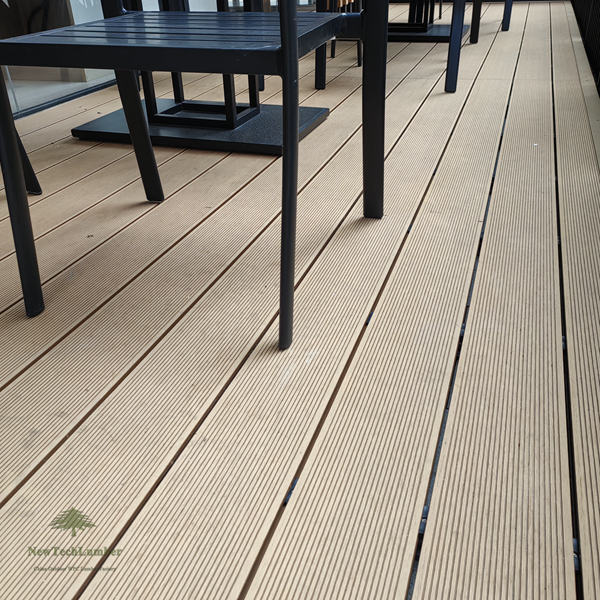
The aesthetic possibilities with WPC co-extrusion decking are endless. Designers can mix and match colours and textures to create unique outdoor environments. The grain patterns and colour variations available today mirror those found in natural wood, but with greater consistency and longevity. This ability to customise not only enhances visual appeal but also allows for the creation of focal points within the landscape. Textured finishes can increase slip resistance while adding tactile interest, making outdoor spaces safer and more inviting.
Profiles and Modular Designs for Versatility
Modern design trends favour profiles that are both sleek and functional. WPC co-extrusion decking comes in a variety of profiles, allowing for innovative installation methods. Whether it is for a deck, patio, or even a raised garden bed, the modular nature of these products offers flexibility in design. This adaptability can significantly enhance the usability of outdoor spaces, making them suitable for gatherings, family activities, and relaxation. By employing modular designs, landscape architects can create areas that are not only visually appealing but also well-suited for varying functions.
Integration with Other Outdoor Elements
WPC co-extrusion decking does not exist in isolation; it often pairs beautifully with other outdoor structures such as walls, fences, and pergolas. By maintaining a consistent design language across these elements, designers can create harmonious environments that feel cohesive. For example, a deck made from WPC co-extrusion can seamlessly transition into a fence or wall panel, providing a unified aesthetic. These integrations not only enhance the visual experience but also elevate the overall functionality of outdoor spaces, offering privacy and protection while maintaining an environmentally friendly approach.
Environmental Benefits and Sustainability
As sustainability becomes increasingly crucial in design, WPC co-extrusion decking stands as an eco-friendly alternative that meets the needs of modern consumers. Made from recycled materials, it reduces environmental impact while offering the durability that outdoor installations require. Choosing this material aligns with the growing trend of sustainable architecture, appealing to clients who are environmentally conscious. Moreover, WPC products are designed for longevity, reducing the need for frequent replacements that contribute to waste. This commitment to sustainability resonates well with current design philosophies, making it a smart choice for outdoor projects.
