
Composite Cladding Insulation Trends In Outdoor Construction
Global demand for energy efficient outdoor building materials is reshaping the development of composite products used in residential, commercial and landscape projects. As architects and contractors seek materials that combine weather resistance, low maintenance and improved thermal performance, composite cladding insulation has become an important consideration in exterior wall systems. The market is moving beyond traditional decorative surfaces towards engineered solutions that contribute to comfort, durability and long service life.
From Europe to North America, the Middle East and Asia Pacific, outdoor construction projects increasingly specify wood plastic composite materials for façades, decking areas, fences and landscape structures. Developers are paying closer attention to how exterior materials manage temperature changes, moisture exposure and seasonal weather conditions. This trend is creating opportunities for manufacturers that can provide stable WPC formulations, advanced extrusion technology and reliable quality control processes.
WPC Wall Cladding Applications For Energy Efficient Buildings
WPC wall cladding has expanded from a residential decoration product into a broader architectural material category. Modern composite panels are designed for hotels, office buildings, public spaces and private homes where appearance and performance must work together. The combination of recycled polymers and wood fibres allows manufacturers to produce surfaces with natural textures while reducing common problems associated with traditional timber cladding, including cracking, rotting and frequent repainting.
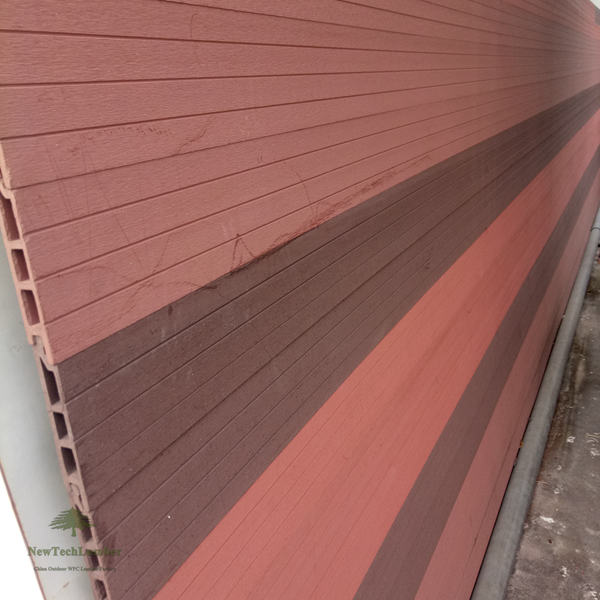
For international markets, insulation performance is becoming a stronger purchasing factor. Composite cladding insulation systems can help reduce heat transfer through exterior walls when combined with suitable backing structures and installation methods. Engineers are analysing panel thickness, internal profiles, air gaps and fixing systems to improve overall building performance. These technical improvements are supporting wider adoption in regions with hot summers, cold winters and strict building regulations.
Market Growth Across Decking, Fencing And Pergola Products
The global composite decking sector continues to influence the development of related outdoor products. Homeowners, hospitality operators and landscape designers are choosing WPC decking because it offers a practical alternative to natural wood in gardens, terraces and public recreation areas. Manufacturers are now connecting decking expertise with broader outdoor solutions, including fencing systems, pergolas and decorative landscape structures.
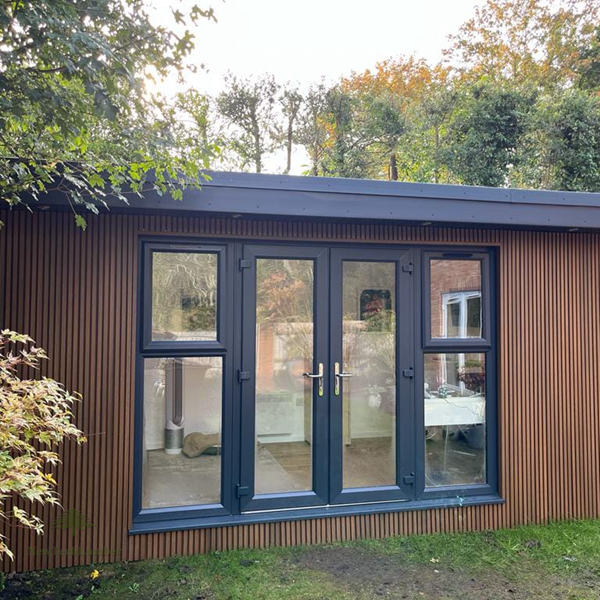
Fencing and pergola applications represent significant future opportunities for WPC suppliers. Customers increasingly expect outdoor structures to maintain colour stability, resist moisture and require limited maintenance. Export companies that can provide customised profiles, surface finishes and packaging solutions are better positioned to serve international buyers. OEM partnerships are also expanding as regional distributors look for products adapted to local climate conditions and design preferences.
Technology Development In Composite Material Production
Future market competition will depend heavily on material innovation and production efficiency. WPC formula development engineers are improving fibre ratios, additives and processing methods to achieve better mechanical strength and surface quality. Extrusion technology engineers are refining production lines to maintain consistent dimensions, improve output efficiency and support complex profiles required by modern architectural designs.
Quality inspection teams and raw material control specialists are also becoming more involved throughout the manufacturing process. International buyers increasingly require documentation related to material composition, environmental standards and product testing. Factories that invest in inspection systems, sustainable sourcing and technical support can build stronger relationships with architects, contractors and overseas distributors.
Future Opportunities In Sustainable Outdoor Building Materials
Sustainability is influencing purchasing decisions across the outdoor construction industry. Composite materials made with recycled polymers and responsibly managed wood resources are gaining attention as alternatives to some conventional exterior products. Governments, developers and designers are placing greater emphasis on lifecycle performance, waste reduction and responsible material selection.
For landscape engineering consultants and architectural material specialists, WPC products offer flexibility across many project types. Applications range from apartment balconies and commercial gardens to waterfront walkways and resort landscapes. The ability to combine visual appeal with functional advantages gives composite materials a strong position in future outdoor design strategies. Companies that continue improving insulation performance, installation methods and custom manufacturing capabilities will find growing opportunities in global markets.
International Business Prospects For WPC Exporters
International sales managers and foreign trade specialists are seeing increasing demand from markets searching for reliable outdoor solutions. Successful exporters need more than competitive pricing; they must provide technical information, accurate specifications, responsive after-sales service and consistent production quality. Buyers in mature markets often require detailed guidance on installation, maintenance and product suitability before approving large projects.
The next stage of growth for composite building materials will come from combining design innovation with engineering performance. As outdoor construction standards continue to develop, composite cladding insulation applications will become increasingly relevant for manufacturers, designers and project developers seeking durable solutions for modern buildings and landscapes.