
Enhance Your Home with Durable WPC Cladding Options
As homeowners increasingly seek materials that combine aesthetics with functionality, wood-plastic composite (WPC) cladding has emerged as a popular choice. This innovative building material is designed to enhance the exterior of homes while offering durability and low maintenance. One of the critical factors influencing the widespread adoption of WPC cladding is its global production capacity and the resulting price advantages that make it accessible to homeowners around the world.
WPC cladding is manufactured from a blend of wood fibers and plastic, which creates a material that mimics the appearance of traditional wood while providing superior resistance to moisture, insects, and decay. This combination of features makes WPC an attractive option for homeowners looking to improve their properties. The global production capacity of WPC has expanded significantly over the past decade, driven by increasing demand for sustainable building materials. Countries such as the United States, Germany, and China have become key players in the WPC market, producing large quantities of this versatile material. The rise in production capacity has led to economies of scale, which in turn has contributed to lower prices for WPC cladding.
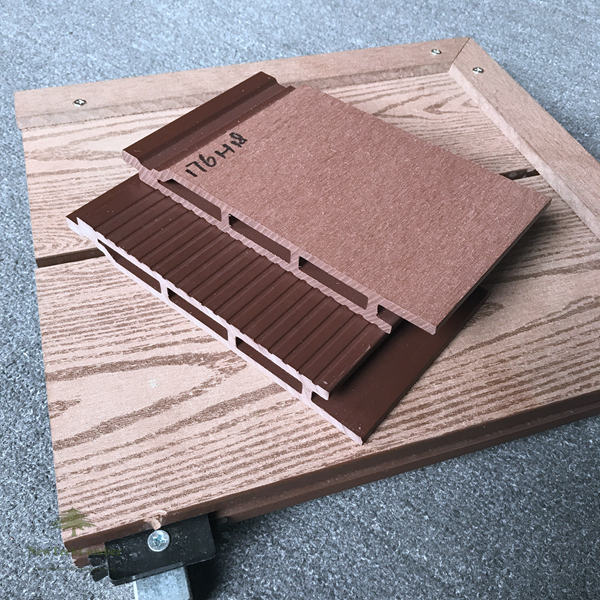
The price advantage associated with WPC cladding is particularly appealing for homeowners who want to achieve a high-quality look without breaking the bank. Traditional wood siding can come with a hefty price tag, especially if high-quality timber is used. In contrast, WPC cladding often provides a more affordable alternative without compromising on appearance or performance. Furthermore, the longevity of WPC means that homeowners can save money in the long run through reduced maintenance and repair costs. Unlike wood, which may require regular painting or staining, WPC cladding maintains its appearance with minimal upkeep.
The geographical distribution of WPC production also plays a crucial role in its pricing structure. With manufacturing facilities located in different regions, transportation costs can vary. Regions that are closer to raw material sources typically have a cost advantage, allowing them to produce WPC cladding at lower prices. For instance, countries with abundant wood resources can source their raw materials more economically, passing those savings on to consumers. Additionally, as technology continues to improve, the efficiency of WPC production is likely to increase, further driving down costs.
Another factor contributing to the price competitiveness of WPC cladding is the increasing popularity of DIY home improvement projects. As more homeowners take on renovation tasks themselves, the demand for affordable and easy-to-install materials has surged. WPC cladding fits this need perfectly, as it is lightweight and can be easily handled by individuals without professional expertise. This accessibility not only encourages homeowners to choose WPC cladding but also fosters a market where competitive pricing becomes essential for manufacturers seeking to capture the DIY segment.

From an environmental standpoint, WPC cladding presents an appealing option for eco-conscious homeowners. The material is often made from recycled wood and plastic, reducing waste and promoting sustainability. As environmental concerns continue to rise, more consumers are inclined to invest in products that align with their values. The increased focus on sustainable building materials has spurred innovation in the WPC industry, leading to the development of new formulations that enhance performance while maintaining affordability. This commitment to sustainability, combined with competitive pricing, positions WPC cladding as a frontrunner in the home improvement market.
Moreover, the versatility of WPC cladding allows for a wide range of design options. Available in various colors, textures, and finishes, WPC can suit different architectural styles and personal preferences. Homeowners can opt for traditional looks that mimic natural wood or choose modern, sleek designs that offer a contemporary edge. This adaptability makes WPC cladding an attractive choice for diverse projects, from residential homes to commercial buildings.
The global market for WPC cladding is expected to continue growing, fueled by the rising demand for durable, low-maintenance materials that offer both aesthetic appeal and cost-effectiveness. As more manufacturers enter the market and production capacities expand, the price advantages associated with WPC cladding are likely to remain strong. This trend will further encourage homeowners to consider WPC as a viable option for enhancing their properties.
Investing in WPC cladding not only enhances the visual appeal of a home but also provides long-term benefits in terms of durability and maintenance. With its competitive pricing, eco-friendly credentials, and versatile design options, WPC cladding stands out as an excellent choice for homeowners looking to improve their living spaces. As the market continues to evolve and expand, it is clear that WPC cladding will play a significant role in shaping the future of home improvement. Embracing this innovative material can lead to a more beautiful, sustainable, and cost-effective home for years to come.