
Enhance Your Exterior with Composite Vertical Cladding: Durable and Stylish
When it comes to enhancing the exterior of your home or building, the choice of cladding material plays a significant role in both aesthetics and performance. Composite vertical cladding has emerged as a popular option for homeowners and builders looking for a combination of style and durability. This innovative material not only elevates the visual appeal of any structure but also offers a range of performance benefits that make it an excellent choice for exterior applications.
Composite vertical cladding is made from a blend of materials, typically combining wood fibers and plastic. This unique composition gives it distinct advantages over traditional materials such as wood, vinyl, or metal. One of the most notable features of composite cladding is its exceptional durability. Unlike natural wood, which can warp, crack, or rot over time due to exposure to moisture and temperature fluctuations, composite materials are engineered to withstand the elements. They are resistant to moisture, insects, and fungi, ensuring that they maintain their integrity and appearance over many years.
The longevity of composite vertical cladding is a significant selling point for anyone considering this option. Many manufacturers offer warranties that can last for decades, which speaks to the confidence in the material’s performance. Homeowners can enjoy peace of mind knowing that their investment is protected against the common pitfalls associated with traditional cladding materials. This durability not only reduces the need for frequent repairs or replacements but also decreases maintenance costs over time.
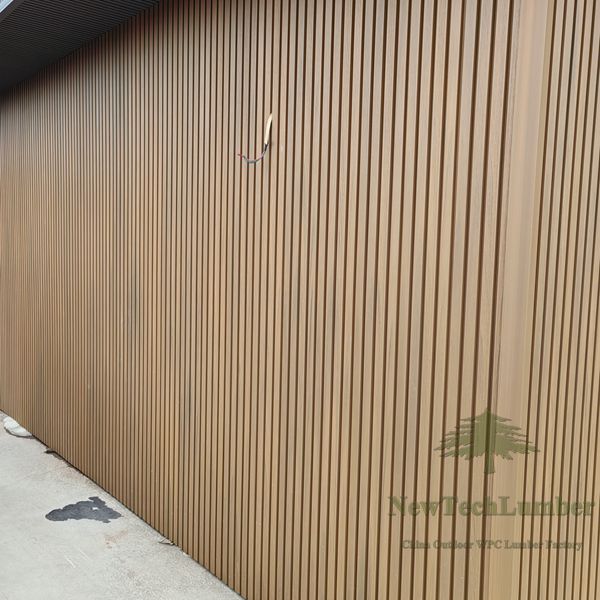
In addition to its robust performance characteristics, composite vertical cladding is also designed with aesthetics in mind. Available in a variety of colors, textures, and finishes, composite cladding can mimic the appearance of natural wood without the drawbacks associated with real wood. This versatility allows architects and designers to create stunning exteriors that align with their vision while ensuring that the materials used will stand the test of time. The ability to select from a wide range of styles means that composite cladding can suit both contemporary and traditional architectural designs.
Another significant advantage of composite materials is their environmental impact. Many composite cladding products are made from recycled materials, making them a more sustainable choice compared to virgin wood or plastic. This eco-friendly aspect resonates with homeowners who prioritize sustainability in their building choices. Additionally, the production processes associated with composite materials typically require less energy than those for traditional materials, further reducing their carbon footprint.

Installation is another area where composite vertical cladding excels. The lightweight nature of composite materials makes them easier to handle and install compared to heavier alternatives. This can lead to reduced labor costs during the construction or renovation process. Furthermore, many composite cladding systems are designed for straightforward installation, often featuring interlocking mechanisms that simplify the process. This ease of installation can significantly reduce the time required to complete a project, allowing homeowners to enjoy their enhanced exterior sooner.
The thermal performance of composite vertical cladding also deserves mention. Many composite materials are designed with insulation properties that help to regulate the temperature inside a building. By improving energy efficiency, composite cladding can contribute to reduced heating and cooling costs, making it an economically sound choice for homeowners. This energy efficiency, combined with the material’s durability, makes composite cladding a wise investment for the long term.
Fire resistance is yet another critical aspect of composite vertical cladding. Many modern composite materials are engineered to be fire-resistant, providing an additional layer of safety for homes and buildings. This characteristic is particularly important in areas prone to wildfires or other fire hazards. By choosing a fire-resistant cladding option, homeowners can enhance the safety of their property while also benefiting from the stylish appearance of composite materials.
As trends in exterior design continue to evolve, composite vertical cladding remains at the forefront, offering a perfect blend of style and functionality. Whether you are constructing a new building or renovating an existing one, the choice of composite cladding can significantly impact the overall aesthetics and performance of your exterior. Its durability, low maintenance requirements, and aesthetic versatility make it a standout option in the world of building materials.
With all these benefits, it is no wonder that composite vertical cladding has gained popularity among homeowners and builders alike. The ability to enhance the exterior of a property while ensuring long-lasting performance and minimal maintenance is an enticing proposition. As you consider options for your next building project, composite vertical cladding stands out as a durable and stylish choice that can elevate any architectural design. By integrating this innovative material into your project, you will not only enhance the curb appeal of your property but also invest in a solution that meets the demands of modern living.