
Enhance Durability with Composite Decking: Enjoy Long-Lasting Performance
Composite decking has emerged as a popular choice for homeowners and builders alike, primarily due to its promise of durability and long-lasting performance. When considering outdoor structures such as decks, durability is a critical factor. Traditional wood decking, while aesthetically pleasing, often succumbs to the elements, leading to issues such as warping, splitting, and rotting. In contrast, composite decking is engineered to withstand weather conditions while maintaining its structural integrity and appearance over time.
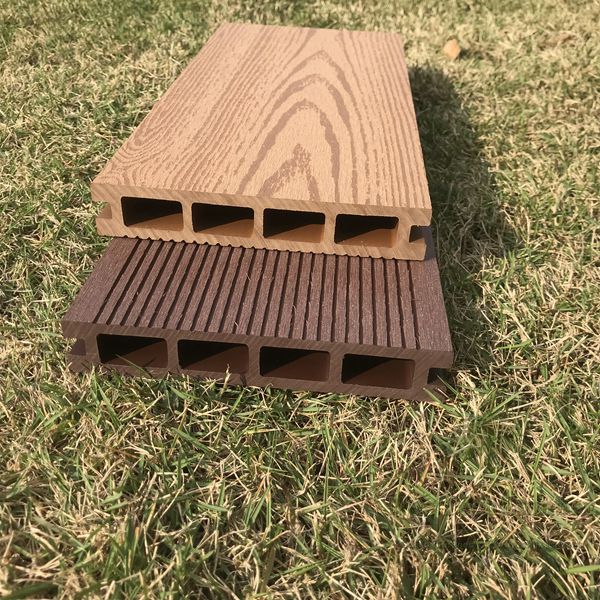
The durability of composite decking can be attributed to its unique composition. Made from a blend of recycled wood fibers and plastic, composite boards are designed to resist moisture, insects, and UV rays that typically degrade wooden materials. This innovative combination not only enhances durability but also reduces the need for regular maintenance. Homeowners can enjoy their outdoor spaces without the burden of frequent staining, sealing, or painting, which are often necessary with traditional wood decks.
From a global perspective, the production capacity for composite decking is rapidly expanding. Several countries have recognized the growing demand for sustainable and durable building materials, leading to significant investments in manufacturing facilities. Regions such as North America, Europe, and parts of Asia are at the forefront of this trend. The United States, in particular, has seen a substantial increase in composite decking production, driven by both domestic consumption and export opportunities. As manufacturers scale up their operations, they can achieve economies of scale, resulting in lower production costs.
Price advantages play a crucial role in the adoption of composite decking. Initially, composite materials may present a higher upfront cost compared to traditional wood. However, when evaluating the total cost of ownership, composite decking often proves to be more economical in the long run. The reduced maintenance requirements translate into significant savings over time, as homeowners avoid the costs associated with regular upkeep, repairs, and replacements. Furthermore, the longevity of composite materials means that homeowners can enjoy their decks for years without the need for early replacement.
Global market dynamics also influence the pricing of composite decking. The increasing availability of raw materials, coupled with technological advancements in manufacturing processes, has contributed to the stabilization and even reduction of prices in some regions. As production capacity grows, competition among manufacturers intensifies, leading to more competitive pricing. This trend makes composite decking a viable option for a broader range of consumers, from budget-conscious homeowners to those seeking premium outdoor living solutions.
Another factor enhancing the price advantage of composite decking is the growing emphasis on sustainability. As environmental concerns become more prominent, consumers are gravitating towards eco-friendly materials. Composite decking often utilizes recycled materials, appealing to environmentally conscious buyers. This shift in consumer preferences is prompting manufacturers to innovate and improve their products, further driving down costs through enhanced production efficiency. The dual benefit of sustainability and affordability makes composite decking an attractive choice for modern construction projects.
In addition, the versatility of composite decking contributes to its appeal. Available in various colors, textures, and styles, composite materials allow homeowners to customize their outdoor spaces according to their personal preferences. This aesthetic flexibility, combined with the assurance of durability, positions composite decking as a leading option in the market. Consumers no longer have to compromise on style for the sake of longevity; they can achieve both with composite products.

The global distribution of composite decking manufacturers also enhances accessibility for consumers. As production facilities are established in various regions, shipping costs are minimized, and delivery times are reduced. This geographical diversification allows for quicker responses to market demands and trends, ensuring that consumers have access to the latest innovations in composite decking. As a result, homeowners can make informed decisions based on the most current offerings available in the market.
In the broader context of the construction industry, the shift towards composite decking reflects a growing trend of sustainability and efficiency. Builders and architects are increasingly incorporating materials that not only meet aesthetic and functional requirements but also align with environmental goals. The adoption of composite decking is indicative of a larger movement towards responsible building practices that prioritize longevity and minimal environmental impact.
As the market for composite decking continues to evolve, it is clear that its durability and performance will remain key selling points. Homeowners and builders can take confidence in the ability of composite materials to withstand the test of time while providing an aesthetically pleasing outdoor experience. The combination of global production capacity, price advantages, and sustainability considerations positions composite decking as a leading choice for those seeking long-lasting solutions for their outdoor spaces. Embracing composite decking means investing in a material that not only enhances the quality of life but also contributes to a more sustainable future for construction and design.