
Efficient WPC Wall Cladding Installation for Quick Projects
In the realm of construction and interior design, the demand for efficient and sustainable materials has surged in recent years. One such material that has gained significant traction is Wood Plastic Composite (WPC) wall cladding. This innovative product blends the natural aesthetic of wood with the durability and low maintenance of plastic, making it an ideal choice for various applications. As projects become more time-sensitive, the need for efficient installation methods for WPC wall cladding has become paramount. This article explores the advantages of WPC wall cladding and outlines strategies for quick and effective installation.
WPC wall cladding is celebrated for its versatility and durability. Unlike traditional wood, which is prone to warping, rotting, and insect damage, WPC provides a robust solution that can withstand various environmental conditions. This resistance to weathering makes it suitable for both indoor and outdoor applications. Additionally, WPC is available in a myriad of colors and textures, allowing designers and builders to achieve desired aesthetics without compromising on performance. The lightweight nature of WPC also contributes to its popularity, enabling easier handling and transportation on-site.
When it comes to installation, time is often a critical factor. Quick projects require efficient processes that do not sacrifice quality. One of the primary advantages of WPC wall cladding is its straightforward installation method. The interlocking design of many WPC panels allows for rapid assembly, reducing labor costs and project timelines. Unlike traditional wood cladding, which often requires complex cutting and fitting, WPC panels can be easily cut to size with standard tools, facilitating a smoother installation process.
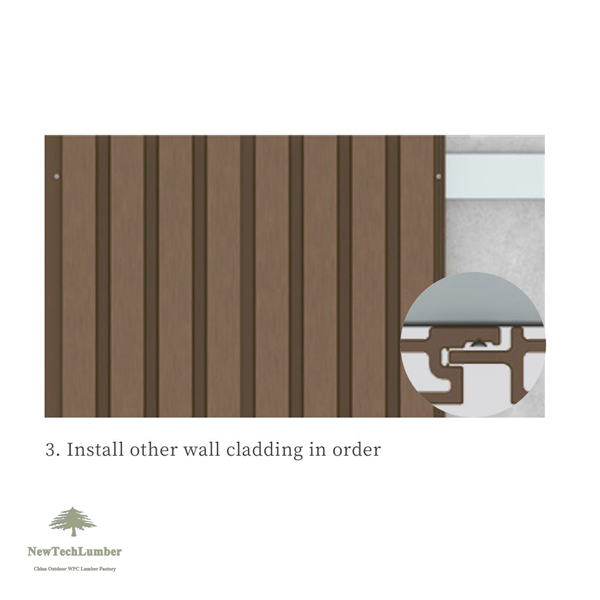
Preparation is key to efficient installation. Before starting the project, it is essential to conduct a thorough site assessment to ensure that all surfaces are suitable for WPC application. This assessment should include checking for level surfaces and ensuring that any existing structures are properly anchored. Any necessary repairs should be completed before installation begins. Preparing the site in advance minimizes delays and helps maintain project momentum.
Another effective strategy for expediting the installation process is the use of prefabricated panels. These panels can be manufactured off-site, allowing for quicker on-site assembly. By utilizing prefabricated components, builders can often reduce the number of labor hours required for installation. Additionally, this approach minimizes waste, as panels are produced to precise specifications, aligning with sustainable building practices.
It is also beneficial to have a well-organized team for installation. Assigning roles based on individual strengths can enhance efficiency. For instance, having one team member responsible for cutting the panels while others focus on assembly can streamline the workflow. Effective communication among team members is crucial to ensure that everyone is aligned with the project timeline and objectives.
Proper tools and equipment play a significant role in the speed of installation. Using specialized tools designed for WPC can enhance efficiency and accuracy. For example, utilizing a saw specifically intended for composite materials can provide cleaner cuts, reducing the need for additional finishing. Additionally, having the right fasteners and installation accessories on hand can prevent interruptions during the installation process.
Weather conditions can also impact installation timelines, especially for outdoor projects. It is advisable to monitor weather forecasts and plan installations during favorable conditions. Scheduling work during periods of mild weather can help avoid delays caused by rain or extreme temperatures, which may affect the performance of WPC materials.
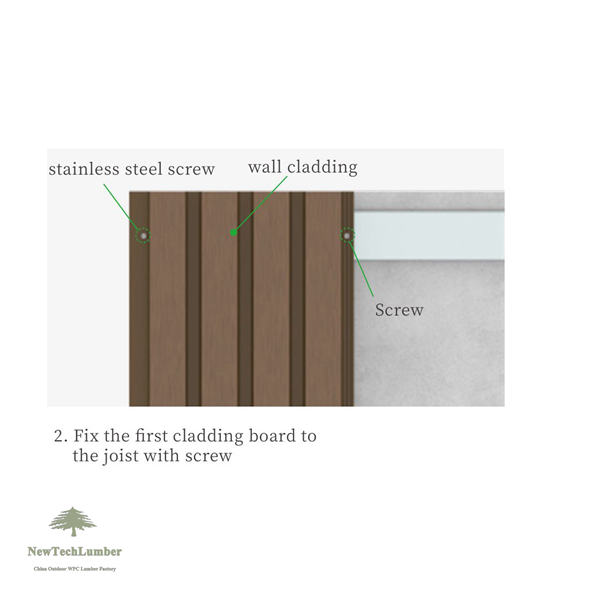
Training and knowledge are essential components of an efficient installation process. Ensuring that team members are well-versed in the installation techniques specific to WPC can significantly reduce the learning curve. Providing training sessions before commencing the project can help familiarize the team with the product and installation methods, leading to a more efficient execution.
Once installation is complete, the low maintenance requirements of WPC wall cladding contribute to the long-term efficiency of the project. Unlike traditional wood, which often requires regular staining or sealing, WPC can be easily cleaned with soap and water, making it an attractive option for busy environments. This characteristic not only saves time for property owners but also enhances the appeal of WPC as a cost-effective solution in the long run.
The growing popularity of WPC wall cladding in various sectors such as residential, commercial, and industrial construction underscores its versatility and efficiency. As the construction industry continues to evolve, the emphasis on quick project completions will likely drive further innovation in installation techniques and materials. By embracing the benefits of WPC and implementing efficient installation strategies, builders can meet the demands of fast-paced projects while delivering high-quality results that stand the test of time.
Embracing the advantages of WPC wall cladding and focusing on optimizing installation processes can transform the way projects are completed. With the right preparation, teamwork, and tools, achieving quick and efficient installations is not just a possibility, but a new standard in the ever-evolving construction landscape.