
Discover WPC Cladding Texture for Unique Aesthetic Appeal
Wood Plastic Composite (WPC) cladding has emerged as a popular choice for both residential and commercial applications, providing an innovative solution that combines the natural beauty of wood with the durability of plastic. The unique aesthetic appeal of WPC cladding is largely attributed to its texture, which is a result of its production process. Understanding the intricacies of material production can shed light on how WPC cladding achieves its distinctive look and feel.
The manufacturing of WPC involves a careful blend of wood fibers and thermoplastic materials, typically polyethylene, polypropylene, or polyvinyl chloride. The first step in the production process is sourcing high-quality wood fibers, which can be derived from recycled wood products or new wood sourced from sustainable forests. This focus on sustainability not only enhances the environmental profile of WPC but also contributes to its overall appeal, attracting consumers who are increasingly conscious of their ecological footprint.
Once sourced, the wood fibers undergo a treatment process to ensure they are free from contaminants and moisture. This step is crucial because excess moisture can lead to mold and decay, compromising the longevity and appearance of the final product. After treatment, the wood fibers are dried and then mixed with the chosen thermoplastic material. This combination is heated and blended until a homogenous mixture is achieved. The heating process also helps to melt the plastic, allowing it to coat the wood fibers effectively. This fusion of materials results in a composite that retains the desirable characteristics of wood while benefiting from the weather-resistant properties of plastic.
The next phase in the production process involves the shaping of the composite material. This is typically accomplished through extrusion or molding techniques. In the extrusion process, the WPC mixture is forced through a die to create continuous boards or sheets, which can then be cut to the desired length. The molding process, on the other hand, involves pouring the mixture into pre-formed molds that shape the cladding into specific profiles. Both methods allow for a variety of textures and finishes to be incorporated directly into the surface of the cladding, resulting in a range of aesthetic options for consumers.
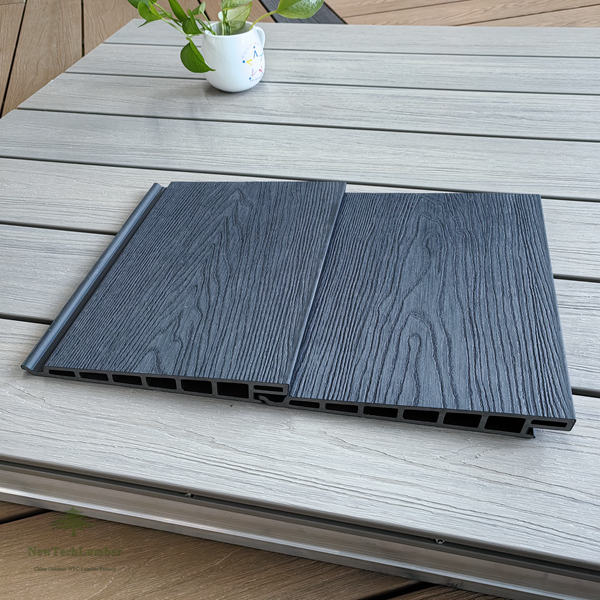
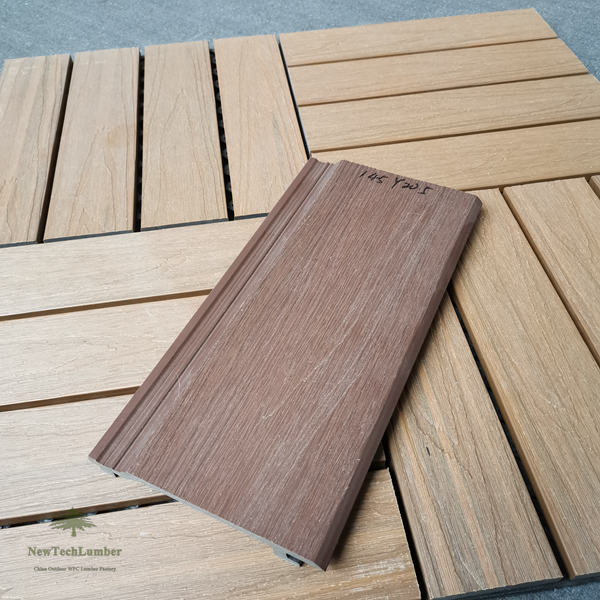
Texture plays a pivotal role in the appeal of WPC cladding. The surface can be designed to mimic the natural grains of wood, providing an authentic look that resonates with traditional wooden cladding while avoiding the drawbacks associated with natural materials. Additionally, manufacturers have the ability to introduce different patterns, such as brushed, embossed, or smooth finishes, which can cater to diverse architectural styles. These variations in texture not only enhance visual interest but also contribute to the tactile experience of the product, making it more inviting and engaging.
Color is another aspect that significantly affects the aesthetic appeal of WPC cladding. During the production process, pigments can be added to the composite mixture, allowing for a wide range of colors that can complement any design scheme. This capability to customize color options provides architects and designers with the flexibility to create unique looks that align with their creative visions. Furthermore, the color is embedded throughout the material, ensuring that it remains vibrant over time and is less prone to fading compared to traditional wood finishes.
One of the key advantages of WPC cladding is its low maintenance requirement, which further enhances its appeal. Unlike traditional wood, which may require regular staining, sealing, and painting to maintain its appearance, WPC cladding is resistant to rot, decay, and insect damage. This durability means that the aesthetic qualities of the cladding are preserved for longer periods, making it an attractive choice for those seeking a long-lasting solution without the hassle of continuous upkeep.
The production process of WPC cladding not only results in a material that is visually appealing but also one that is environmentally friendly. By utilizing recycled materials in its composition, WPC contributes to waste reduction and promotes a circular economy. The longevity and durability of the product also mean that less frequent replacements are needed, further decreasing environmental impact over time.
As the demand for sustainable building materials continues to rise, WPC cladding stands out as a versatile option that combines aesthetics, durability, and eco-friendliness. Architects and builders are increasingly recognizing the benefits of this innovative material, making it a staple in modern construction. The texture and finish options available in WPC cladding allow for creativity in design while ensuring that the end product meets the required functionality and performance standards.
Exploring the world of WPC cladding reveals a material that is not only functional but also rich in aesthetic possibilities. The careful integration of wood fibers and plastic, along with advanced production techniques, allows for a product that offers the best of both worlds. Whether used in residential homes, commercial buildings, or outdoor spaces, WPC cladding presents an appealing choice for those looking to enhance their environments with a unique blend of beauty and practicality.