
Discover the Advantages of Recycled Wood Decking Boards for Sustainability
The growing focus on sustainability has led to a significant shift in the construction and landscaping industries, with recycled wood decking boards gaining popularity as a viable alternative to traditional materials. This trend is driven not only by environmental concerns but also by economic factors, including global capacity distribution and pricing advantages.
Recycled wood decking boards are made from reclaimed wood, which might include old pallets, discarded furniture, or decommissioned buildings. The process involves repurposing this wood into high-quality decking that retains the aesthetic appeal of natural wood while minimizing waste. This approach contributes to a circular economy, reducing the demand for new timber and decreasing deforestation pressures. As awareness of environmental issues continues to grow, consumers are increasingly seeking sustainable options for their building and landscaping projects.
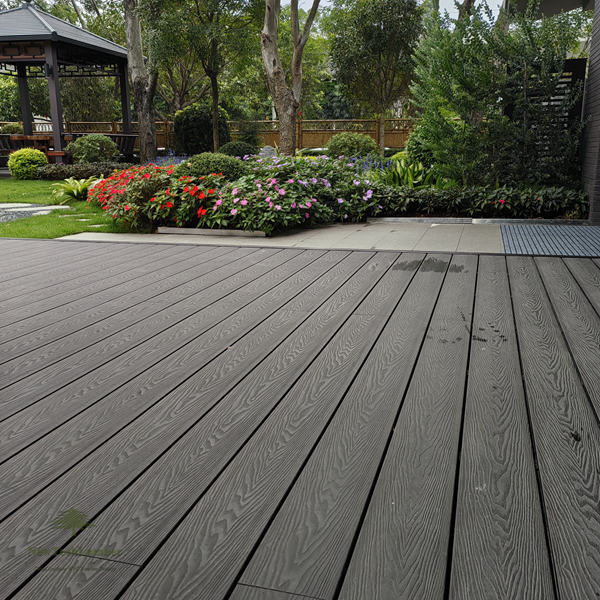
From a global capacity distribution perspective, the production of recycled wood decking is generally less concentrated than that of traditional lumber. Many regions around the world have abundant sources of reclaimed wood, leading to a decentralized production model. This distribution allows local businesses to thrive, promoting job creation and economic growth in their respective areas. In contrast, the traditional lumber industry often relies on large-scale operations in specific regions, making it more susceptible to disruptions caused by environmental regulations, market fluctuations, and natural disasters.
The decentralized nature of recycled wood decking production also means that transportation costs can be lower, as materials are often sourced and processed locally. This not only reduces the carbon footprint associated with shipping but also enhances the overall sustainability of the product. Furthermore, local production can lead to faster delivery times, allowing consumers to complete their projects more efficiently.
In addition to the environmental benefits, recycled wood decking boards often come with a pricing advantage. As the demand for sustainable building materials grows, the market for recycled wood has expanded, leading to increased competition among manufacturers. This competition can drive prices down, making recycled wood decking an attractive option for budget-conscious consumers. The cost-effectiveness of these boards is further enhanced by their durability and low maintenance requirements. Unlike traditional wood decking, which may require regular staining, sealing, and replacement due to wear and tear, recycled wood products are often treated to withstand the elements, resulting in a longer lifespan and reduced long-term costs.
Moreover, the price of traditional lumber can be volatile, influenced by factors such as supply chain disruptions, changes in government policies, and fluctuations in demand. In contrast, the recycled wood market is less affected by these external pressures, providing consumers with a more stable pricing environment. This stability is appealing to homeowners and contractors alike, as it allows for more accurate budgeting and project planning.
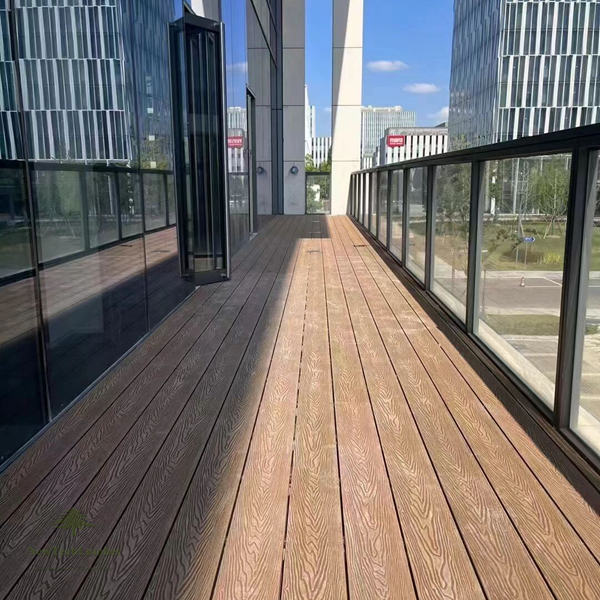
The use of recycled wood decking also provides an opportunity for businesses to enhance their sustainability profiles. Companies that prioritize eco-friendly materials can attract environmentally conscious consumers, leading to increased brand loyalty and market share. This shift towards sustainability aligns with a broader trend in the construction industry, where green building practices are becoming standard rather than the exception. As more businesses recognize the importance of sustainable practices, the demand for recycled wood decking boards is likely to continue to rise.
In addition to these advantages, recycled wood decking boards can also be customized to meet specific design preferences. Whether consumers are looking for a rustic charm or a modern aesthetic, recycled wood can be treated and finished in various ways to achieve the desired look. This versatility makes it a suitable choice for a wide range of applications, from residential patios to commercial outdoor spaces.
The increased awareness of sustainability issues, coupled with the advantages of recycled wood decking boards, positions them as a leading choice for environmentally conscious consumers. The combination of a decentralized production model, competitive pricing, and design flexibility makes them an attractive option for those looking to minimize their environmental impact while enhancing the beauty and functionality of their outdoor spaces. As the construction industry continues to evolve, the role of recycled wood decking will likely become even more prominent, paving the way for a more sustainable future.