
Decking WPC Material: Durable and Eco-Friendly Outdoor Decking Solutions
Decking made from Wood Plastic Composite (WPC) materials has gained considerable attention as a durable and eco-friendly solution for outdoor spaces. The production process of WPC involves the careful blending of wood fibers with plastic materials, resulting in a composite that possesses the aesthetic qualities of wood while offering the resilience and low maintenance characteristics of synthetic materials. This article explores the various aspects of WPC production, its advantages, and its environmental benefits.
The first step in the production of WPC decking involves the selection and preparation of raw materials. Typically, the wood component comes from recycled wood waste, such as sawdust or wood shavings, which helps reduce the demand for virgin timber. The plastic component usually consists of recycled polyethylene, polypropylene, or polyvinyl chloride. By utilizing recycled materials, the production process contributes to waste reduction and promotes a circular economy.
Once the raw materials are sourced, they undergo a series of processing steps to create the composite material. The wood fibers are first dried to remove excess moisture, which is essential for achieving optimal bonding with the plastic. Following this, the dried wood fibers are combined with the plastic resin in a specific ratio, usually around 60 percent wood to 40 percent plastic. This ratio can be adjusted based on the desired properties of the final product.
The blending process is crucial, as it ensures that the wood fibers and plastic are evenly distributed throughout the mixture. This is typically achieved through a mechanical mixing process that incorporates heat, which helps soften the plastic and allows it to adhere better to the wood fibers. The resulting mixture is then fed into an extruder, where it is subjected to high temperatures and pressures to form a homogeneous composite.
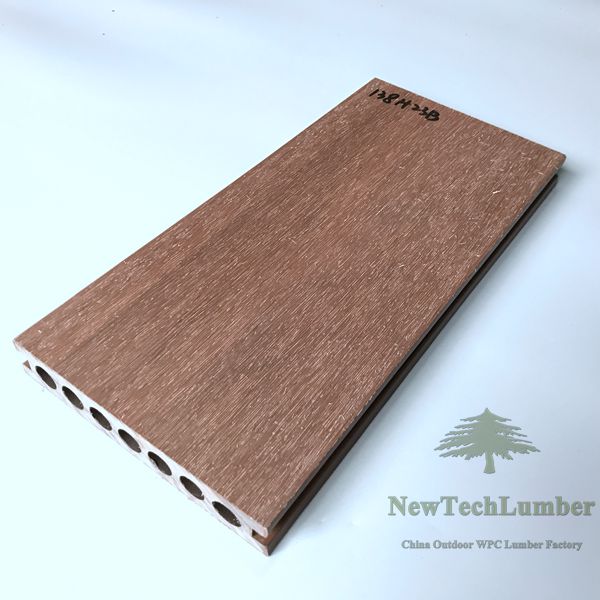
Extrusion is a key step in WPC production, as it shapes the material into planks or boards suitable for decking. The extruder forces the blended material through a die, which determines the profile of the decking. This process can be tailored to create various styles and finishes, including textured surfaces that mimic the appearance of natural wood. After exiting the extruder, the newly formed WPC decking is cooled and cut to the desired lengths.
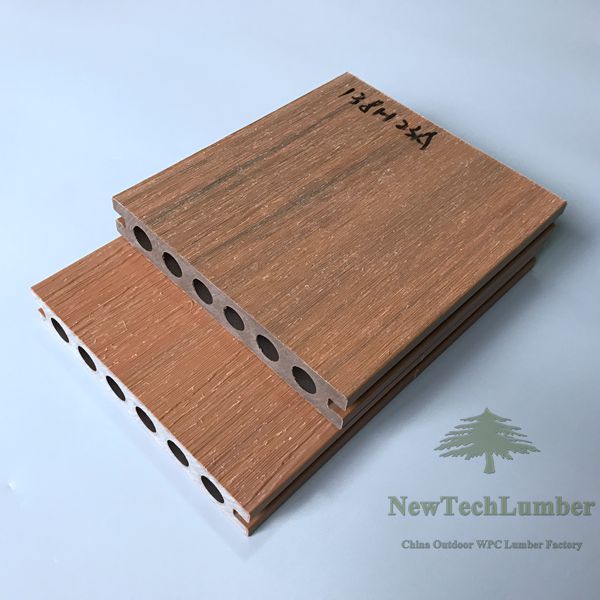
Once the decking is cut, it undergoes additional treatments to enhance its durability and appearance. This may include surface treatments that improve slip resistance and UV resistance, making the product suitable for outdoor use. Some manufacturers also apply color additives to achieve a range of hues, allowing for customization that meets the aesthetic preferences of consumers.
One of the most significant advantages of WPC decking is its durability. Unlike traditional wood decking, which can warp, crack, or splinter over time, WPC is designed to withstand harsh weather conditions, such as rain, snow, and intense sunlight. The combination of wood and plastic provides a robust structure that resists fading, staining, and insect damage. This durability translates into a longer lifespan for WPC decking, reducing the need for frequent replacements and repairs.
Additionally, WPC decking is low maintenance compared to its wooden counterparts. It does not require regular sealing or staining, which are often necessary to protect wood from the elements. Instead, routine cleaning with soap and water is typically sufficient to keep the decking looking its best. This ease of maintenance makes WPC an attractive option for homeowners and commercial property owners alike.
The environmental benefits of WPC decking are also noteworthy. By utilizing recycled materials, the production process minimizes waste and reduces the demand for new resources. This contributes to the conservation of forests and promotes sustainability in the building materials industry. Furthermore, WPC decking is often produced in facilities that employ energy-efficient practices, further reducing its carbon footprint.
WPC decking is also a safer choice for outdoor environments. Its non-slip surface reduces the risk of accidents, particularly in wet conditions, making it an ideal choice for pool decks and patios. Additionally, WPC does not splinter, making it a safer option for families with children and pets.
As consumers become more environmentally conscious, the demand for sustainable building materials continues to grow. WPC decking stands out as an innovative solution that meets this demand while providing a durable and aesthetically pleasing alternative to traditional wood decking. The combination of recycled materials, low maintenance requirements, and long-lasting performance positions WPC as a leading choice for outdoor decking.
In the realm of outdoor construction, the production of WPC decking represents a significant advancement in material technology. Its unique blend of wood and plastic not only enhances the performance of decking products but also aligns with modern sustainability goals. As manufacturers continue to refine production techniques and expand their offerings, WPC decking is poised to play a pivotal role in the future of outdoor living spaces. By choosing WPC, consumers can enjoy the beauty of natural wood without sacrificing durability or environmental responsibility.