
Der Reiz der WPC-Flötwandverkleidung
WPC-Flötwandverkleidungen werden im zeitgenössischen Außendesign immer beliebter und bieten eine atemberaubende Ästhetik, die das Erscheinungsbild jedes Gebäudes verbessern kann.Dieses innovative Material kombiniert Holz und Kunststoff, was zu einem Produkt führt, das Naturholz sehr ähnlich ist und gleichzeitig eine verbesserte Leistung bietet.Das ausgeprägte geriffelte Design verleiht den Wänden nicht nur Textur und Tiefe, sondern trägt auch zu dem modernen Gesamtbild bei, das viele Architekten und Bauherren heute suchen.
Über seine optische Anziehungskraft hinaus bietet die WPC-Rippwandverkleidung eine außergewöhnliche Haltbarkeit.Im Gegensatz zu herkömmlichem Holz, das sich im Laufe der Zeit verziehen und splittern kann, ist WPC so konzipiert, dass es den Strapazen verschiedener Umweltbedingungen standhält.Diese Widerstandsfähigkeit macht es zu einer idealen Wahl für viele Anwendungen, sei es für Gewerbeimmobilien oder Wohnhäuser.Käufer schätzen den geringen Wartungsaufwand in Verbindung mit der Langlebigkeit von WPC-Produkten, da sie wissen, dass sie ohne die Angst vor einem ständigen Unterhalt investieren können.
Haltbarkeit im Vergleich zu Naturholz
Eine der herausragenden Eigenschaften von WPC-rodelwandverkleidungen ist die bemerkenswerte Haltbarkeit im Vergleich zu Naturholz.Holz ist anfällig für Fäulnis, Insektenschäden und Verwitterung, was eine regelmäßige Behandlung und Wartung erfordert.Im Gegensatz dazu wurde WPC entwickelt, um diesen Problemen zu widerstehen und bietet eine zuverlässige Lösung, die raue Klimazonen ertragen kann, ohne sich zu verschlechtern.Diese Langlebigkeit führt zu erheblichen Einsparungen im Laufe der Zeit, da Hausbesitzer und Unternehmen gleichermaßen die häufigen Ersatz- und Reparaturen im Zusammenhang mit Holz vermeiden können.
Darüber hinaus enthält der Herstellungsprozess von WPC Additive, die seine Festigkeit und Beständigkeit verbessern.Das bedeutet, dass WPC-Flötwandverkleidungen Stößen und starkem Verschleiß standhalten können, was sie für stark frequentierte Bereiche oder Regionen mit extremen Wettermustern geeignet macht.Die Sicherheit, die entsteht, wenn Sie wissen, dass Ihre Verkleidung den Elementen nicht leicht erliegt, ist für jeden Eigentümer von unschätzbarem Wert.
Rutschfestigkeit und Sicherheitsmerkmale
Sicherheit ist im Außendesign von größter Bedeutung, insbesondere in Bereichen, in denen schlechtes Wetter auftreten kann.Die WPC-Riffelwandverkleidung zeichnet sich in dieser Hinsicht aus und bietet eine hervorragende Rutschfestigkeit im Vergleich zu herkömmlichen Holzoberflächen.Wenn es nass ist, kann Naturholz gefährlich rutschig werden und ein Risiko für diejenigen darstellt, die in der Nähe gehen oder arbeiten.WPC ist jedoch mit Texturen ausgestattet, die den Grip verbessern und die Wahrscheinlichkeit von Unfällen verringern.
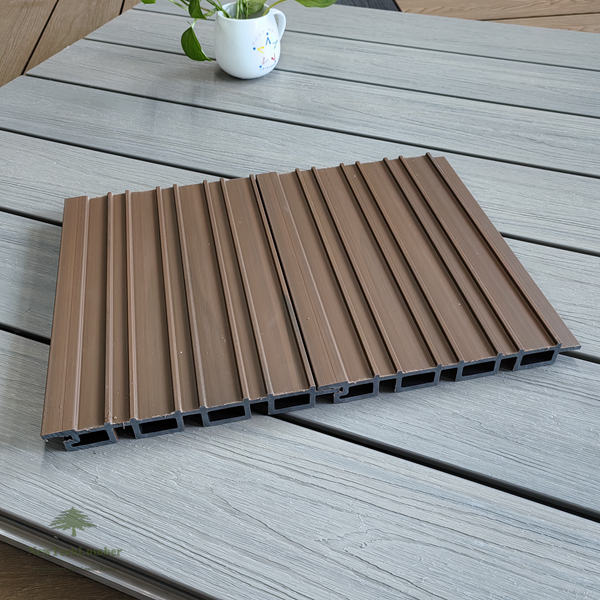
Diese Sicherheitsfunktion ist besonders vorteilhaft für öffentliche Räume, Geschäftsgebäude und private Residenzen, die dem Wohlbefinden von Bewohnern und Besuchern Priorität einräumen.Die zusätzliche Sicherheit, die durch die Installation eines rutschfesten Materials entsteht, trägt zur Gesamtattraktivität von WPC-geriffelener Wandverkleidung bei und ist damit eine kluge Wahl für Ästhetik und Sicherheit.
Wetterleistung: Ein Hauptvorteil
Die Wetterleistung ist ein weiterer kritischer Aspekt, bei dem WPC-Flötwandverkleidungen natürliches Holz überstrahlen.Holz kann mit Änderungen in Feuchtigkeit und Temperatur anschwellen und schrumpfen, was zu Verzerrungen und Rissen führt, die die strukturelle Integrität beeinträchtigen können.WPC hingegen behält seine Form und Farbe auch bei extremen Wetterbedingungen bei.Es ist so gestaltet, dass es dem Verblassen der UV-Strahlung widersteht und dafür sorgt, dass das lebendige Aussehen jahrelang intakt bleibt.
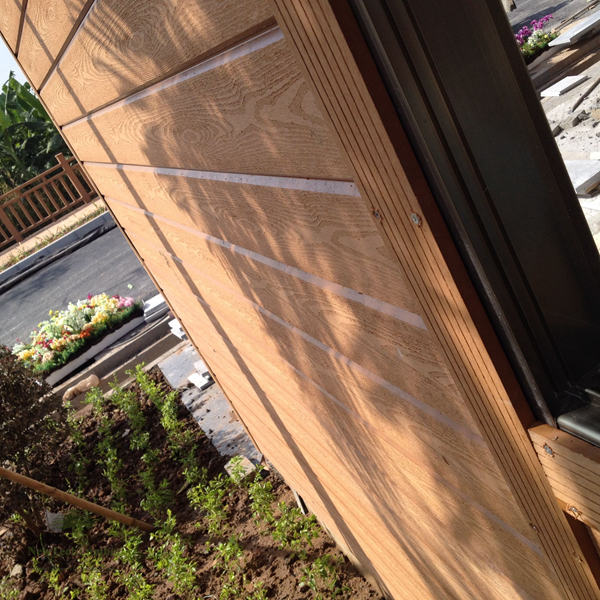
Diese Wetterbeständigkeit erhöht nicht nur die Lebensdauer des Produkts, sondern reduziert auch die Notwendigkeit wiederholter Behandlungen wie Abdichtung oder Lackierung, die mit Holz gemeinsam sind.Durch die Entscheidung für WPC können Immobilienbesitzer ein schönes Äußeres genießen, ohne sich ständig um wetterbedingte Schäden zu sorgen.
Die zunehmende Präferenz für WPC-Flötwandverkleidungen in moderner Architektur ist nicht nur ein Trend, sondern stellt eine Verschiebung hin zu nachhaltigeren und praktischeren Baumaterialien dar.Mit seiner unschlagbaren Haltbarkeit, der verbesserten Rutschfestigkeit und der außergewöhnlichen Wetterleistung steht die WPC-Flötwandverkleidung im Vergleich zu Naturholz als überlegene Wahl.Seine Kombination aus ästhetischer Anziehungskraft und Funktionalität positioniert es als ideale Lösung für diejenigen, die stilvolle und dennoch langlebige Außenansichten schaffen möchten.Da Designer und Bauherren weiterhin Langlebigkeit und Sicherheit priorisieren, wird WPC zweifellos an der Spitze zeitgenössischer Baumaterialien bleiben.