
WPC Aluminium Profile Formula Design for Outdoor Performance
As a WPC extrusion technology engineer, I consider formula design the foundation of every high performance outdoor product. A wpc aluminium profile system requires precise control of wood fibre, polymer resin, additives and reinforcement components because the final profile must resist moisture, temperature changes, ultraviolet exposure and mechanical stress. The formulation is developed according to the application environment, expected service life and required surface appearance.
The first stage involves selecting suitable raw materials. Wood powder with controlled particle size improves natural appearance and stiffness, while polymers such as HDPE or PVC provide bonding strength and weather resistance. Coupling agents are added to improve compatibility between wood fibre and plastic, and stabilisers help reduce degradation during outdoor exposure. Lubricants, pigments and impact modifiers are adjusted carefully because excessive additives can weaken the profile or affect extrusion stability.
Material Mixing and Pelletising Control
Consistent mixing is essential before extrusion begins. Raw materials are measured through accurate weighing systems and processed in high speed mixers where heat and mechanical force distribute additives evenly. The mixing temperature must be controlled because insufficient heating prevents proper coating of wood particles, while excessive heat can cause early polymer degradation.
After mixing, many manufacturers use pelletising equipment to create uniform WPC compounds. Pellet size, moisture content and density influence feeding accuracy during extrusion. A well prepared pellet reduces fluctuations in output pressure and helps maintain consistent profile dimensions. Quality control engineers normally check material flow, moisture level and mechanical properties before the compound enters the extrusion line.
Extrusion Temperature Control and Equipment Adjustment
The extrusion process converts prepared material into continuous outdoor profiles through a controlled heating and shaping system. Temperature settings across the barrel zones must match the selected formula. The feeding zone requires stable material transport, while compression and metering zones gradually melt and mix the compound. Excessive temperature can burn wood fibres and create dark marks, whereas low temperature may cause poor plasticisation and surface defects.
Extrusion speed, screw design and pressure balance are adjusted together to achieve reliable production. Engineers monitor torque, melt pressure and output weight during operation. For a wpc aluminium profile application, these parameters are especially important because aluminium reinforcement or co-extruded structures require precise bonding and dimensional accuracy.
Mold Design and Cooling Calibration Technology
Mold design determines the final shape, strength and surface quality of the WPC profile. Engineers analyse material flow inside the mould to prevent uneven filling, internal stress and deformation. Proper channel design, pressure balance and temperature control allow complex profiles to maintain stable dimensions after leaving the die. Aluminium composite structures often require additional attention to ensure the polymer layer bonds correctly around the aluminium component.
After extrusion, cooling calibration equipment controls shrinkage and maintains profile accuracy. Vacuum calibration tables shape the hot profile while cooling tanks gradually reduce temperature to avoid internal stress. Cooling speed must be balanced because rapid cooling can create cracks, while slow cooling may reduce production efficiency. Dimensional inspection at this stage helps identify problems before further processing.
Surface Treatment and Production Problem Management
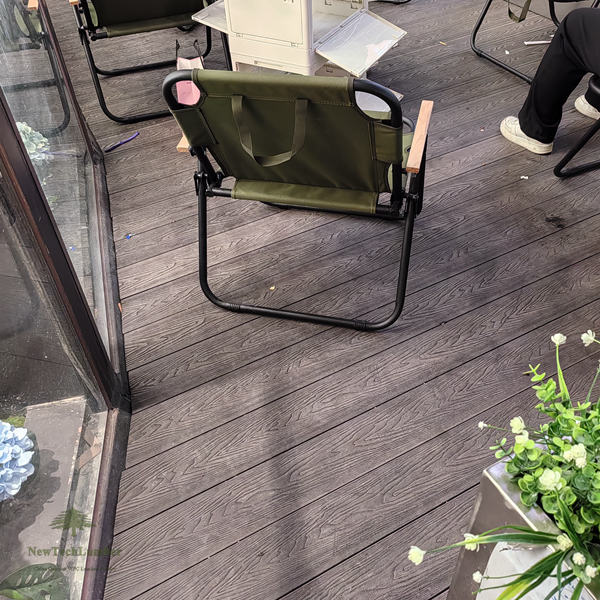
Surface treatment improves appearance and functional performance for outdoor WPC products. Common methods include embossing, sanding, brushing and co-extrusion with protective layers. These treatments create realistic wood textures and improve resistance against staining, fading and weather exposure. Designers and application engineers select surface finishes according to architectural requirements, installation conditions and market expectations.
During production, common issues include warping, colour variation, weak bonding, rough surfaces and unstable dimensions. Warping usually results from uneven cooling or incorrect formula balance. Surface roughness may come from poor material mixing, damaged mould surfaces or unsuitable extrusion temperatures. Colour differences are often linked to pigment dispersion problems or inconsistent raw materials. Experienced production managers solve these issues by analysing each stage rather than adjusting only the final product.
Quality Standards for Long Term WPC Applications
A successful outdoor WPC extrusion process depends on cooperation between material engineers, mould designers, production teams and quality inspectors. Testing includes density measurement, water absorption evaluation, impact resistance checks, weather ageing assessment and dimensional stability analysis. These procedures confirm whether the product meets requirements for decking, fencing, wall systems and other outdoor structures.
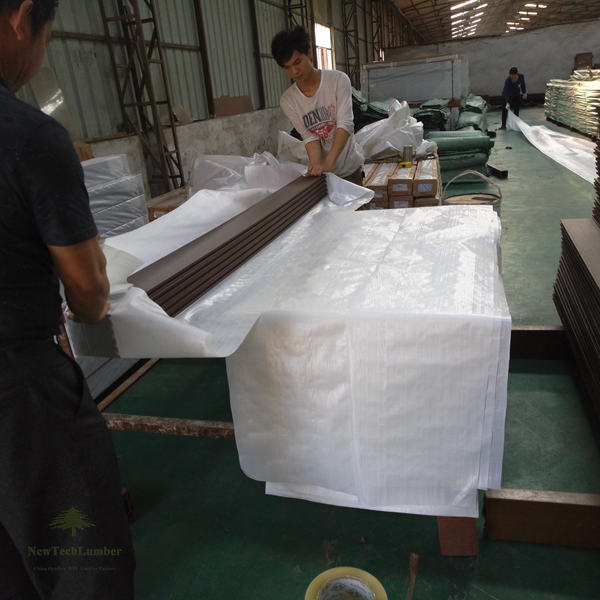
For international markets, manufacturers also need reliable packaging, technical documentation and after-sales support. Export specialists and application engineers must understand installation methods and regional climate conditions to provide suitable solutions. High performance WPC profiles are achieved through continuous improvement of formula design, extrusion technology and quality management from raw material selection to final delivery.