
What Affects Composite Deck Cost
The cost of a composite deck is influenced by various factors including the quality of materials, the complexity of the design, and the specifics of installation. Generally, premium materials will significantly increase the overall price. Composite decking often comes in a range of colours and textures, which can also impact costs. When considering installation, labour fees can vary depending on the contractor’s expertise and the region. This makes it essential to evaluate not only the base material costs but also installation fees when asking how much does a composite deck cost.
Applications of WPC Products in Outdoor Spaces
Outdoor wood-plastic composite (WPC) products are versatile and can be used in a variety of settings. For residential applications, gardens are a common area where composite decking can enhance the aesthetic and functional quality of outdoor spaces. WPC is also ideal for creating outdoor entertainment areas, such as patios and balconies, enabling homeowners to enjoy their surroundings while maintaining durability and low maintenance. In commercial landscapes, WPC materials find usage in hotels, where outdoor lounges can be fitted with composite decking, providing guests with inviting spaces to relax. Additionally, parks and recreational areas benefit from WPC decking due to its resistance to wear and ability to withstand harsh weather conditions.
WPC in Swimming Pool Areas
Swimming pool areas represent another excellent application for WPC products. Composite decking around pools creates a safe, slip-resistant area that can handle constant moisture without deteriorating. Its ability to resist fading and staining makes it a preferred choice for poolside installations. Furthermore, WPC materials are available in various textures, enhancing grip and comfort underfoot, which is particularly important in areas frequently exposed to water. By choosing composite decking, property owners can ensure a long-lasting, attractive pool area that complements the overall landscape design.
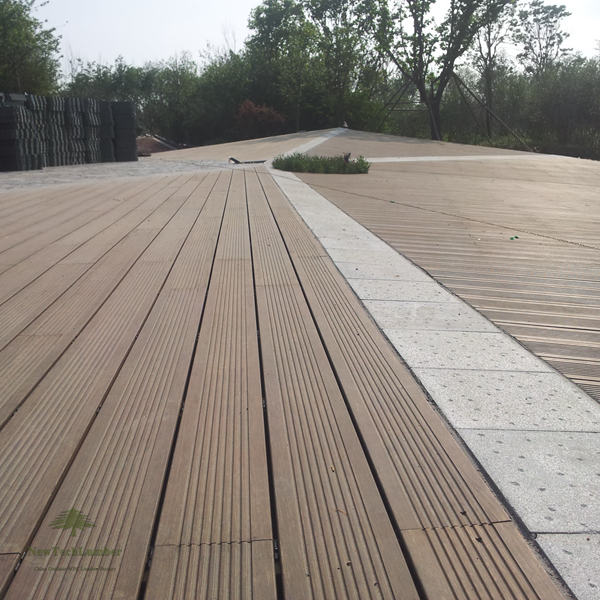
Public Facilities and Commercial Use
Public facilities, such as parks and community centres, can significantly benefit from WPC decking’s durability and low maintenance requirements. These spaces often experience heavy foot traffic, and the resilience of composite materials ensures they withstand the test of time. WPC can be used to create walkways, benches, and viewing platforms, promoting a sustainable environment while offering aesthetic appeal. For commercial buildings, utilising WPC products for outdoor areas can enhance the facility’s attractiveness and provide functional spaces for customers to enjoy.
Die richtigen WPC-Produkte auswählen
When selecting WPC products, considerations must include the intended application, environmental factors, and the desired aesthetic. For instance, in commercial applications, selecting materials that offer longevity and minimal upkeep may take precedence over appearance. Conversely, in residential settings, homeowners might prioritise aesthetics alongside durability. Consulting with a WPC application engineer can provide valuable insights into making the best choices based on specific needs, ensuring that the investment aligns with both functional requirements and visual appeal.

Long-Term Value and Cost Considerations
Understanding how much does a composite deck cost is not solely about the upfront price but also the long-term value it offers. WPC products require minimal maintenance compared to traditional wood, which often needs regular staining or sealing. This translates into savings over time, making composite decking a financially sound choice. Additionally, the longevity of WPC materials, often exceeding that of conventional wood, means fewer replacements and repairs are needed, adding to the product’s overall value. With thoughtful installation and application, WPC can provide outdoor spaces that are both beautiful and functional for years to come.