
Create Unique Spaces with Versatile 3d wall panels for Interior Design
Creating unique spaces in interior design has become increasingly accessible with the advent of versatile three-dimensional wall panels. These innovative materials offer not only aesthetic appeal but also functional benefits that can transform any environment. The production process of these panels is a fascinating journey that combines technology, creativity, and sustainable practices.
The first step in the production of three-dimensional wall panels is the selection of materials. Typically, manufacturers use a variety of substrates, including wood, plastic, and metal, each offering distinct characteristics. For instance, wood-based panels provide a warm, natural look, while plastic options can mimic different textures and colors. Metal panels add a modern edge, giving spaces a sleek and industrial feel. The choice of material significantly influences the panel’s final appearance, durability, and application potential.
Once the materials are selected, the design phase begins. Designers create intricate patterns and textures that will be embossed or molded onto the panels. This phase often involves computer-aided design software that allows for precise modeling and visualization. The designs can range from geometric shapes to organic patterns, catering to various architectural styles and personal preferences. The versatility of three-dimensional wall panels means they can suit both contemporary and traditional interiors.
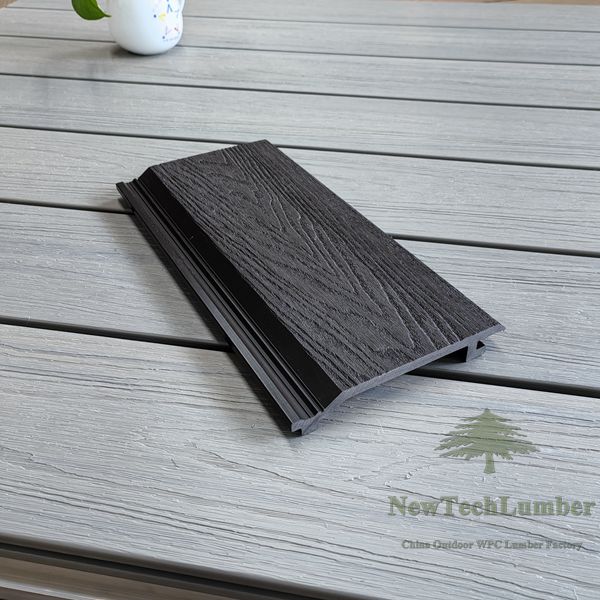
After finalizing the designs, the next stage is manufacturing. Depending on the material chosen, different techniques are employed. For wood panels, the process often involves cutting, shaping, and layering the wood to create depth. For plastic or resin panels, the manufacturing process may include injection molding or vacuum forming. These methods ensure that the panels can achieve the desired three-dimensional effect while maintaining structural integrity.
Sustainability is an essential consideration in the production of three-dimensional wall panels. Many manufacturers are now prioritizing eco-friendly materials and processes. For instance, bamboo is increasingly used due to its rapid growth and renewability. Additionally, some companies incorporate recycled materials into their panel production, helping to reduce waste and promote a circular economy. This commitment to sustainability not only appeals to environmentally conscious consumers but also contributes to the overall health of the planet.
Once produced, the panels undergo a quality control process to ensure they meet industry standards. This step is crucial as it guarantees that the panels are durable and free from defects. The quality control team inspects the panels for color consistency, texture uniformity, and structural soundness. Only those that pass this rigorous inspection are made available for sale, ensuring that customers receive a high-quality product.
The versatility of three-dimensional wall panels allows them to be used in various settings. In residential spaces, they can serve as stunning feature walls in living rooms, bedrooms, or dining areas. Their ability to reflect light and create shadows adds depth and interest to any room. In commercial spaces, such as offices or retail stores, these panels can enhance branding and create an inviting atmosphere for clients and customers. The endless design possibilities mean that businesses can tailor their interiors to reflect their unique identities.

Installation of three-dimensional wall panels typically involves straightforward techniques, making them accessible for both professional installers and DIY enthusiasts. Panels can be mounted directly onto existing walls using adhesives or mechanical fasteners. Some designs even allow for easy removal and reinstallation, giving users the flexibility to change their interiors as trends evolve or preferences shift. This adaptability is a significant advantage in a world where interior design is continuously changing.
Maintaining three-dimensional wall panels is relatively simple, adding to their appeal. Most panels can be cleaned with a damp cloth and mild detergent, making them practical for high-traffic areas. Certain materials are also resistant to moisture and mold, ensuring longevity even in challenging environments such as bathrooms or kitchens.
As the demand for unique and personalized interior spaces grows, so does the popularity of three-dimensional wall panels. They provide a means to express individual style while enhancing the functionality of a space. With ongoing advancements in manufacturing techniques and materials, the future of three-dimensional wall panels looks promising. Designers and homeowners alike can look forward to discovering new textures, patterns, and applications that will continue to elevate interior design.
Incorporating three-dimensional wall panels into interior design is not just about aesthetics; it is also about creating environments that feel unique and inspiring. By choosing the right materials, designs, and installation methods, anyone can transform their space into a work of art. Whether for a cozy home or a dynamic business environment, these panels offer endless possibilities for creativity and expression, making them a valuable addition to modern interior design.