
Comprehensive WPC Wall Panels Price List for Your Reference
Wood Plastic Composites, commonly referred to as WPC, have gained significant popularity in recent years due to their unique combination of properties that make them suitable for various applications, particularly in wall paneling. The production process of WPC wall panels is a key element that influences their quality, durability, and ultimately, their pricing. Understanding this production process can provide insights into the price variations that consumers might encounter in the market.
The production of WPC involves the blending of wood fibers or wood flour with thermoplastic materials, typically polyethylene, polypropylene, or polyvinyl chloride. This combination results in a composite material that retains the aesthetic appeal of wood while benefiting from the durability and low maintenance features of plastic. The initial step in the production process is the selection of raw materials. The quality and type of wood fibers used can significantly affect the final product’s characteristics. Recycled wood materials are often used to enhance sustainability while maintaining cost-effectiveness.
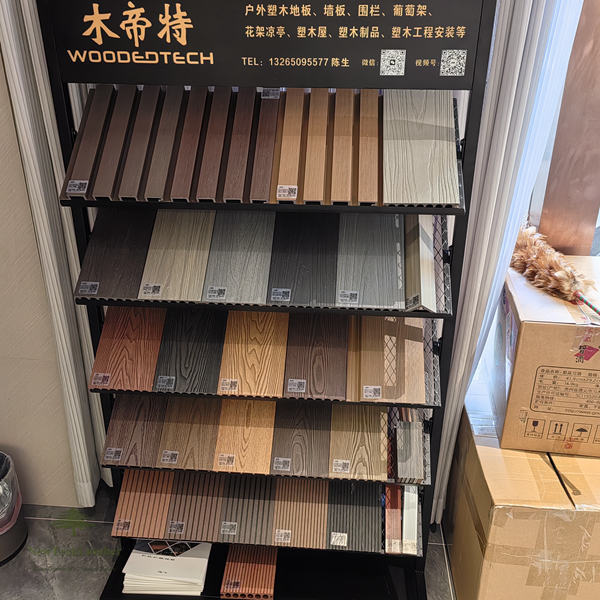
Once the raw materials have been selected, they undergo a process called compounding. During compounding, the wood fibers and thermoplastic materials are combined using high-temperature and high-shear mixing. This step is crucial as it ensures that the wood fibers are evenly distributed within the plastic matrix. The uniformity of this blend directly impacts the mechanical properties of the final product, including its strength, flexibility, and resistance to moisture.
After compounding, the next phase is the extrusion process. In this stage, the compounded material is fed into an extruder, where it is melted under controlled temperature and pressure. The molten material is then forced through a die to create continuous sheets or profiles of WPC. The choice of die determines the thickness and texture of the wall panels, allowing for customization based on market demands. The extrusion process is pivotal not only for forming the panels but also for ensuring that they have a consistent cross-section, which is essential for installation and performance.
Cooling is the subsequent step following extrusion. The extruded panels must be cooled down to set their shape and prevent warping. This is typically achieved using water baths or air cooling systems. Proper cooling is vital as it influences the physical properties of the panels, including their dimensional stability and surface finish. Any inconsistencies during this stage can lead to defects, which may require additional processing or result in waste, thereby affecting production costs.
Once the panels have cooled and solidified, they undergo a series of finishing processes. These may include sanding, coating, or texturing to achieve the desired aesthetic appeal and surface characteristics. Finishing not only enhances the appearance of the panels but also contributes to their durability by providing additional protection against environmental factors such as UV exposure and moisture. The finishing process can vary widely in cost depending on the complexity and materials used, which is reflected in the final pricing of the WPC wall panels.
Quality control is an integral part of the production process, ensuring that the panels meet industry standards and customer expectations. This involves rigorous testing for strength, moisture resistance, and other performance criteria. Manufacturers typically implement a quality assurance program that monitors each stage of production, from raw material selection to the final product. The level of quality control exercised can also impact pricing, as higher standards may require more stringent testing and oversight.
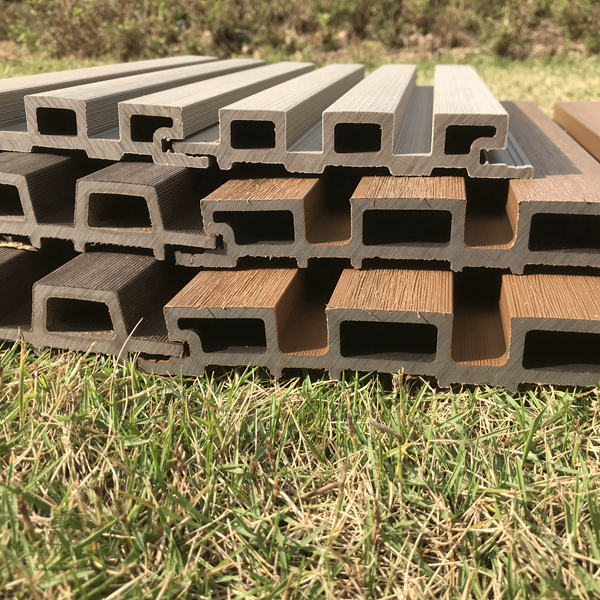
The logistics of production play a significant role in the overall cost of WPC wall panels. Factors such as transportation of raw materials, energy consumption during manufacturing, and distribution of finished products can add to the final price. Additionally, regional differences in labor costs and material availability can lead to variations in pricing across different markets.
The market for WPC wall panels is influenced by consumer trends, environmental regulations, and competition among manufacturers. As sustainability becomes a growing concern, the demand for eco-friendly materials like WPC is on the rise. This trend may drive prices upward as manufacturers invest in more sustainable production practices and materials.
Innovation in manufacturing techniques also plays a crucial role in shaping the price landscape of WPC wall panels. Advances in technology can lead to more efficient production processes, resulting in lower costs and potentially more competitive pricing for consumers. Manufacturers that adopt cutting-edge techniques may be able to offer higher-quality products at lower prices, thus influencing market dynamics.
In summary, the pricing of WPC wall panels is determined by a complex interplay of factors rooted in the production process. From the selection of raw materials to the final finishing touches, each stage contributes to the overall quality and cost of the panels. Understanding these nuances can empower consumers to make informed decisions when purchasing WPC wall panels, ensuring they choose products that not only meet their aesthetic preferences but also offer long-term value and performance.