
Composite Wall Boards for Global Exterior Material Selection
Composite wall boards have become an important option for architects, developers, and international buyers seeking exterior cladding materials with balanced performance and appearance. As an architectural material consultant, I assess outdoor WPC solutions by comparing them with natural wood, traditional timber systems, aluminium panels, and other exterior finishes. The correct choice depends on climate exposure, maintenance expectations, installation methods, design requirements, and the full lifecycle cost rather than only the initial purchase price.
Outdoor WPC is manufactured from wood fibres, polymers, and performance additives, creating a material that combines a timber-like appearance with improved resistance to moisture, insects, and environmental changes. For global WPC buyers, this combination provides a practical alternative for residential facades, commercial buildings, landscape structures, and renovation projects where consistent quality and long service life are required.
Performance Comparison Between WPC and Natural Wood
Natural wood remains popular because of its authentic grain, warm texture, and renewable image. Premium species such as cedar, teak, and other hardwoods offer attractive exterior finishes, but they require careful selection, protective coatings, and regular maintenance. Exposure to ultraviolet radiation, rain, humidity, and biological factors can cause colour fading, cracking, swelling, or decay if the surface is not properly managed.
Composite wall boards reduce many of these challenges through their engineered structure. Unlike untreated timber, WPC does not absorb moisture at the same rate, which helps minimise deformation and fungal problems. Maintenance normally involves cleaning rather than frequent staining or sealing. However, buyers should consider that WPC has less natural variation than real wood, and lower quality products may experience colour changes or surface issues if the formula and extrusion technology are not properly controlled.
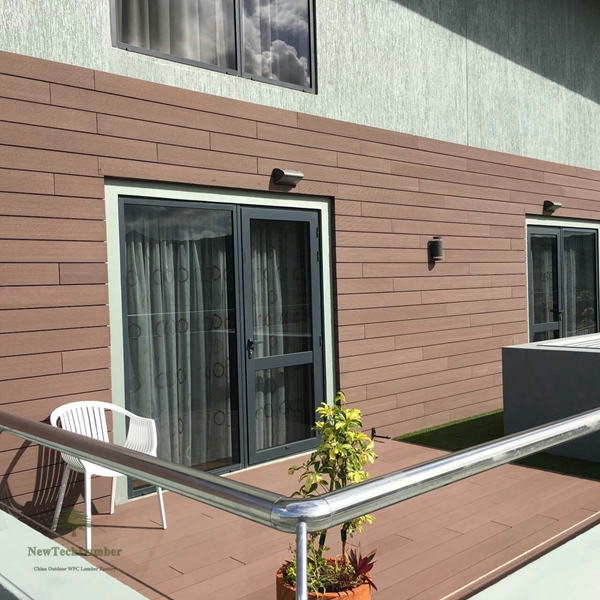
Lifecycle Costs Compared With Timber and Aluminium Cladding
Lifecycle cost analysis is essential for architects, contractors, and property owners managing long-term projects. Traditional timber may have a lower initial material cost in some regions, but expenses for coatings, repairs, labour, and replacement sections can increase over time. Hardwood options may provide excellent durability, although premium species often involve higher sourcing costs and supply considerations.
Aluminium exterior systems provide strong structural performance, fire resistance, and a modern appearance. They are widely used in commercial architecture because of their low maintenance requirements and resistance to corrosion when correctly finished. However, aluminium production requires significant energy input, and the material usually creates a different visual character compared with wood-inspired facades. Outdoor WPC offers a middle position by delivering a natural appearance with reduced maintenance demands and competitive long-term value. Installation costs vary according to profile design, fixing systems, project scale, and local labour conditions.
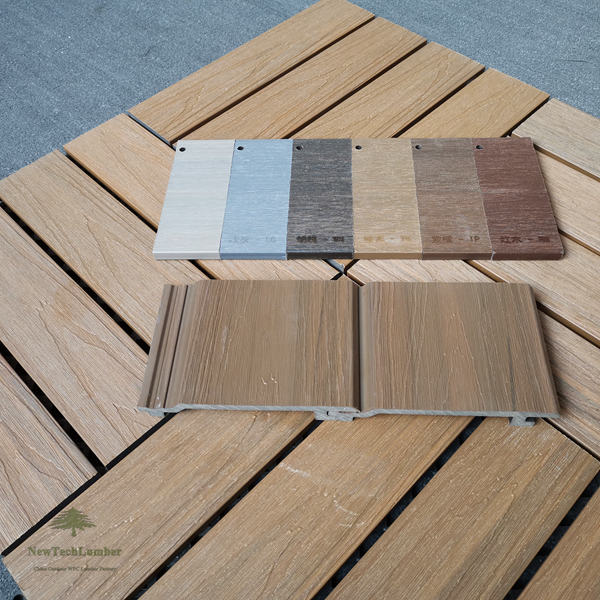
Maintenance Requirements and Application Considerations
Exterior material maintenance affects operational budgets, especially for large developments, hotels, public spaces, and international projects in demanding climates. Natural timber generally requires periodic inspection, cleaning, and protective treatment. Aluminium requires less attention but may need surface cleaning and inspection of coatings or connection details. Other exterior materials such as painted fibre cement or traditional render systems can also involve repair cycles caused by weather exposure.
Composite wall boards require routine cleaning to remove dust, pollutants, and organic deposits. Professional buyers should evaluate factors including UV stabilisation, water resistance, thermal expansion control, surface texture, and installation accessories before selecting a supplier. WPC extrusion technology, mould design accuracy, and quality inspection procedures directly influence the final performance of the product. These technical details are especially important for OEM projects where appearance consistency and specification control are required.
Design Flexibility for Architects and International Buyers
Modern outdoor WPC systems provide designers with various colours, textures, profiles, and installation patterns. This flexibility allows architects to create contemporary facades while maintaining a natural material impression. Compared with traditional timber, WPC offers better batch consistency, which supports large-scale developments where every section of an exterior wall must maintain the same visual standard.
For international sales managers, foreign trade specialists, and WPC factory owners, effective SEO content should communicate these practical advantages clearly to professional buyers. Global customers are not only searching for attractive materials; they are comparing durability data, environmental performance, supplier reliability, packaging quality, and after-sales support. Content that explains real project considerations can attract architects, contractors, and distributors looking for dependable exterior solutions.
Sustainable Value of Composite Exterior Solutions
Sustainability has become a major factor in exterior material decisions. Responsible WPC manufacturers often use recycled polymers and recovered wood fibres, helping reduce dependence on virgin resources. Compared with frequent replacement of deteriorated timber products, a longer service life can reduce material consumption and maintenance-related waste. Buyers should still review supplier certifications, production standards, and environmental documentation to verify sustainability claims.
Composite wall boards represent a practical choice for many outdoor applications where appearance, durability, and maintenance efficiency must work together. Natural wood continues to offer unique character, aluminium remains valuable for specific architectural demands, and other exterior materials serve different project requirements. WPC provides architects, engineers, and global buyers with an engineered option that combines design flexibility with predictable performance across diverse climates and building environments.