
Composite or wood decking Which is the Best Choice for You
When considering the choice between composite and wood decking, it is important to examine the materials, production processes, and overall benefits of each option. Both have their unique characteristics, which can significantly influence your decision based on your specific needs and preferences.
Wood decking, traditionally made from natural timber, is revered for its aesthetic appeal and natural beauty. The production of wood decking begins with the selection of high-quality lumber, often sourced from sustainable forests. The milling process involves cutting the logs into planks, followed by drying to reduce moisture content. This step is crucial as it helps prevent warping and splitting that can occur when wood is exposed to changing environmental conditions. Once dried, the wood is treated with preservatives to enhance durability and resistance to pests and decay. Common wood choices for decking include cedar, redwood, and pressure-treated pine, each offering a distinct appearance and performance level.
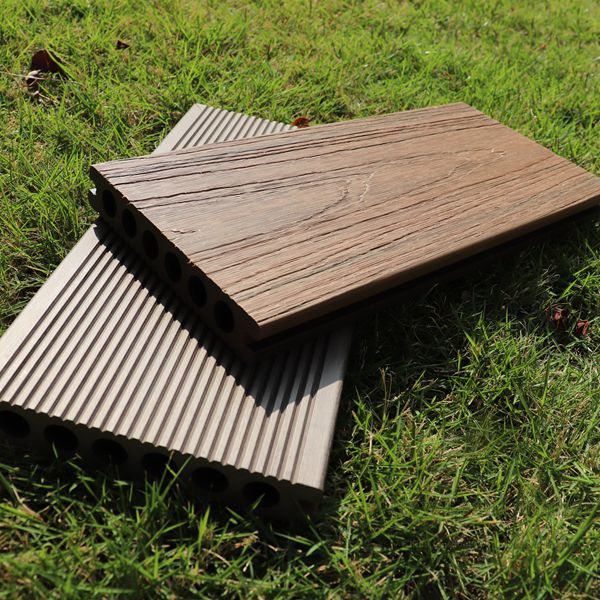
On the other hand, composite decking is a synthetic alternative that combines wood fibers with plastic materials. The production of composite decking involves a process known as extrusion, where a mixture of recycled wood and plastic is heated and formed into boards. This process allows for a consistent product that can be engineered to mimic the appearance of natural wood while providing enhanced durability. Additional additives, such as UV protection and color pigments, are often included in the formulation to improve color retention and reduce fading over time. Composite decking is available in various colors and textures, giving homeowners a wide range of design options.
One of the main advantages of composite decking is its low maintenance requirements. Unlike wood, which needs regular sealing and staining to maintain its appearance and protect against the elements, composite decking only requires occasional cleaning with soap and water. This is an appealing factor for many homeowners who prefer to spend their time enjoying their outdoor spaces rather than performing upkeep. Additionally, composite boards are resistant to splintering, cracking, and insect damage, making them a safer and more durable option for families.
However, it is essential to consider the environmental impact of both materials. While wood decking is a natural product, the sustainability of its sourcing is crucial. Purchasing wood from certified sustainable forests can mitigate environmental concerns. Composite decking, on the other hand, often incorporates recycled materials, which can reduce waste and promote recycling. The production of composite materials, however, involves plastic, which raises questions about long-term environmental effects and recyclability. It is important for consumers to research the specific brands and products they are considering to understand their environmental footprint.
Another factor to consider is cost. Wood decking tends to have a lower initial purchase price compared to composite options. However, when factoring in the long-term maintenance costs associated with wood, such as staining and sealing, the total cost of ownership can become comparable or even higher over time. Composite decking, while more expensive upfront, can save money in the long run due to its durability and minimal maintenance needs. This makes it a worthwhile investment for those looking for a long-lasting outdoor solution.
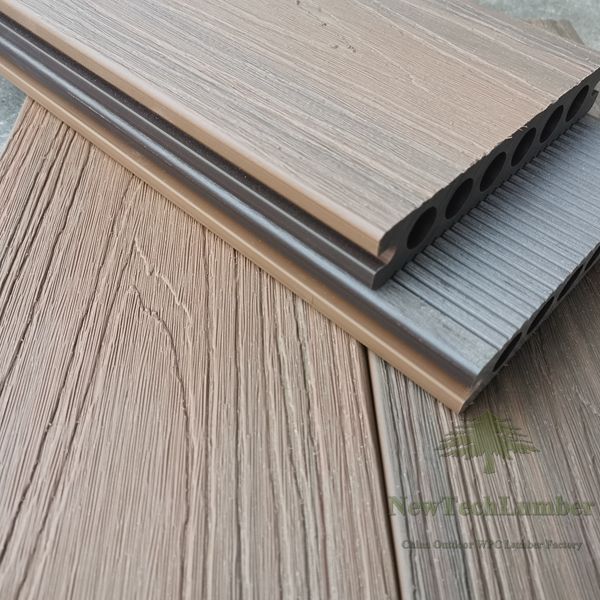
Aesthetic preferences also play a significant role in the decision-making process. Many homeowners appreciate the classic look and feel of natural wood, which can create a warm and inviting atmosphere. However, composite decking has come a long way in terms of design and can closely resemble the look of real wood, offering a more uniform appearance without the knots and imperfections often found in natural lumber. Additionally, composite options are available in a wide range of colors and finishes, allowing for greater customization to suit individual tastes.
Weather resistance is another critical consideration. Wood decking can be susceptible to damage from moisture, leading to rot and decay, especially in humid climates. Composite decking is designed to withstand harsh weather conditions without deteriorating, making it a suitable choice for various climates. This resilience means that homeowners can enjoy their decking without worrying about extensive repairs or replacements due to environmental factors.
In evaluating the choices between composite and wood decking, it is clear that both materials have their advantages and disadvantages. Wood offers natural beauty and a classic aesthetic, while composite provides durability and low maintenance. The decision ultimately depends on personal preferences, budget constraints, and how much time one is willing to dedicate to maintenance. By carefully considering these factors, homeowners can make an informed choice that best suits their outdoor living needs and lifestyle.