
Composite Decking Cost Compared With Wood Extrusion Process Factors
As a WPC application engineer, I evaluate outdoor decking solutions by looking beyond initial material prices and focusing on production methods, service life, installation conditions, and maintenance requirements. The phrase composite decking cost compared to wood reflects a common concern among buyers, distributors, and project owners who need to understand why engineered WPC boards may have a different upfront price from traditional timber products.
Wood extrusion relies on natural timber processing, drying, cutting, and protective treatment, while WPC extrusion combines wood fibres, polymer materials, additives, and colour stabilisers through controlled manufacturing. This process allows manufacturers to create boards with consistent density, moisture resistance, and dimensional stability. The extrusion technology also reduces problems such as cracking, warping, and uneven performance caused by natural wood variations.
Extrusion Technology Factors Affecting WPC Decking Value
The production line used for outdoor WPC products directly influences product quality and cost. A professional extrusion system controls temperature, pressure, cooling speed, and surface treatment to achieve accurate board dimensions and reliable mechanical performance. Engineers must select suitable formulations according to climate conditions, expected loading requirements, and application environments.
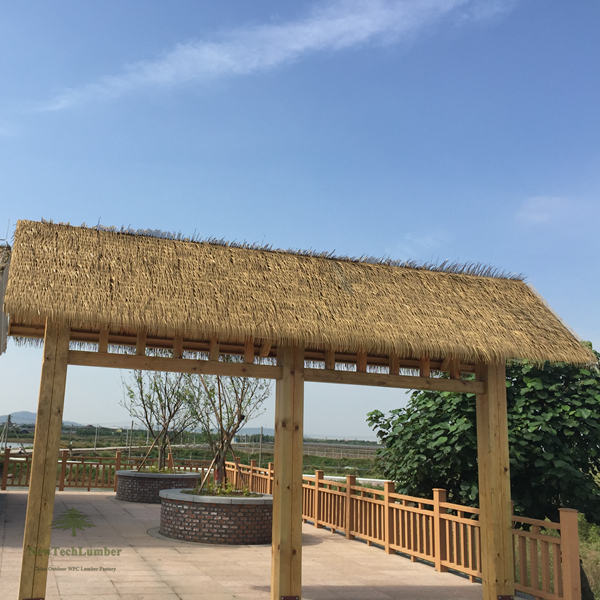
For example, decking installed around swimming pool areas requires higher water resistance, slip control, and surface durability. Boards used in commercial landscapes or public facilities need stronger resistance to frequent foot traffic. A carefully developed WPC formula with suitable additives can improve UV resistance, colour retention, and long-term outdoor performance. These technical factors explain why comparing material prices alone may not reflect the real project value.
Outdoor WPC Applications in Residential and Commercial Projects
Outdoor WPC decking is widely used in residential gardens, where homeowners often require attractive flooring around patios, outdoor dining spaces, and private leisure areas. For garden applications, I recommend selecting boards with a natural wood appearance, low maintenance requirements, and sufficient drainage design. WPC surfaces provide a practical alternative to timber because they do not require regular painting or staining.
In commercial landscapes, hotels, parks, and public facilities, WPC products provide reliable solutions for walkways, viewing platforms, seating areas, and outdoor entertainment zones. Hotels frequently use composite decking for poolside terraces, rooftop recreation spaces, and guest relaxation areas because the material maintains a clean appearance with less maintenance. Parks and public facilities benefit from its resistance to moisture, insects, and repeated environmental exposure.
Professional Recommendations for Different Installation Environments
Balconies require careful consideration of weight limits, drainage, and ventilation beneath the decking structure. For apartment developments and hospitality projects, I recommend lightweight installation systems with hidden fastening solutions to create a neat appearance while allowing water drainage. Swimming pool areas require textured surfaces that improve walking safety, especially in wet conditions.
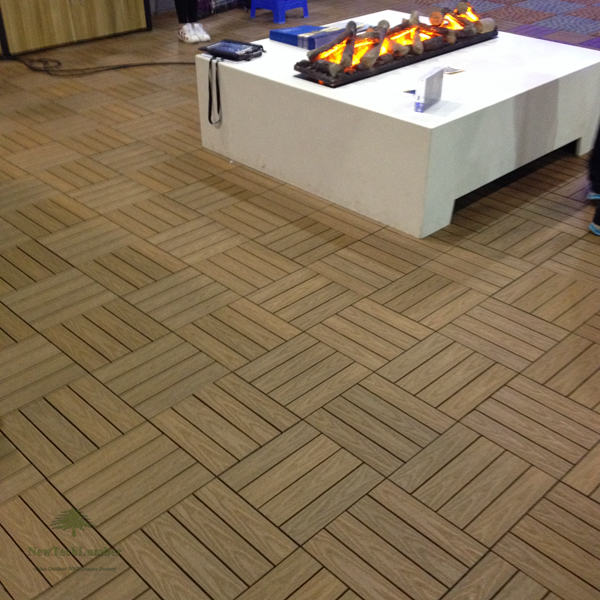
Landscape engineering consultants and architectural material consultants should also consider colour selection, expansion gaps, substructure materials, and local weather patterns before specifying WPC decking. In coastal regions, materials with improved salt resistance are preferable, while areas with strong sunlight require enhanced UV protection. Proper installation by trained technicians ensures that the designed performance of the decking system can be achieved.
WPC Decking Support for Global B2B Supply Chains
For international sales managers, foreign trade export specialists, and OEM customisation teams, WPC decking offers opportunities to develop project-specific products. Manufacturers can adjust board profiles, surface textures, colours, packaging methods, and accessories according to different market requirements. A professional WPC factory should provide technical documents, quality inspection reports, installation guidance, and after-sales service support.
Quality inspection supervisors and production management teams play an important role in maintaining consistency during large-scale orders. Testing density, impact resistance, water absorption, colour stability, and profile accuracy helps ensure that exported products meet customer expectations. Packaging engineers also need to design protective solutions that prevent damage during international transportation.
Long-Term Performance of Composite Decking Solutions
Choosing outdoor decking involves evaluating the entire lifecycle rather than only the purchase price. Although timber may appear economical at the beginning, ongoing maintenance, replacement needs, and environmental exposure can influence total ownership costs. WPC decking provides a manufactured solution with predictable performance, making it suitable for many outdoor applications from private gardens to large public projects.
For architects, designers, installers, and building material specialists, the best results come from matching WPC product specifications with the exact project environment. A correctly selected and professionally installed composite decking system can support attractive outdoor spaces while meeting practical requirements for durability, safety, and maintenance efficiency.