
Export Packaging Standards for Composite Decking Shipments
As a packaging engineer for outdoor WPC products, my responsibility begins after production approval and continues until decking boards, wall panels, and profiles arrive safely at the customer’s warehouse. Long-distance ocean transportation exposes composite materials to vibration, humidity, salt air, stacking pressure, and repeated handling. A well-designed export packaging system must protect the appearance, dimensions, and surface performance of every component throughout the shipping journey.
Before shipment, factories evaluate packaging solutions according to product structure, destination requirements, and container loading conditions. Composite decking boards require different protection compared with lightweight wall panels or irregular WPC profiles. Packaging engineers analyse board length, weight, surface texture, edge design, and pallet arrangement to create solutions that prevent bending, scratching, impact damage, and moisture-related problems during international delivery.
Composite Decking Capped Vs Uncapped Protection Requirements
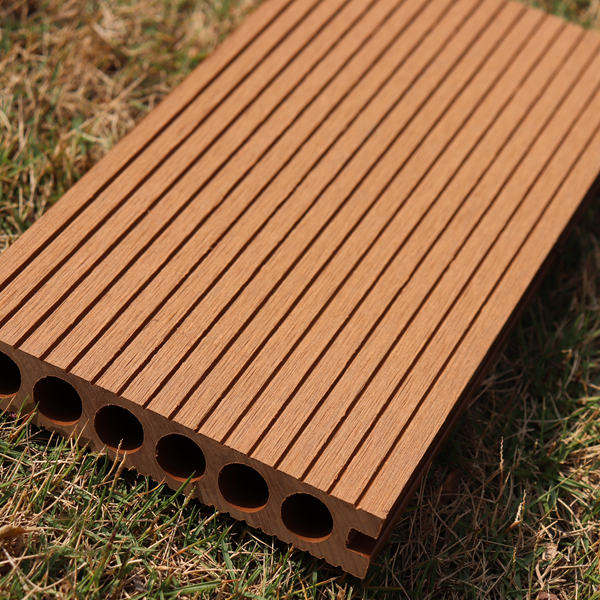
The comparison of composite decking capped vs uncapped materials directly influences export packaging decisions. Capped decking includes a protective polymer layer around the board surface, which improves resistance against stains, fading, and moisture exposure. However, the cap layer still requires careful protection because scratches, dents, or friction marks can affect the premium appearance expected by overseas buyers.
Uncapped composite decking has exposed WPC material throughout the board surface, meaning packaging must provide stronger separation against dust, moisture, and physical contact. Factories often use protective films, corner guards, foam separators, and reinforced carton systems to reduce direct surface contact. Testing teams inspect whether the packaging method maintains product quality after simulated transport conditions before approving mass shipment.
Pre-Shipment Testing Methods for WPC Export Packaging
Professional WPC factories conduct multiple packaging tests before loading containers. Drop testing checks whether cartons and pallets can withstand accidental impacts during warehouse movement. Compression testing evaluates whether stacked packages remain stable under the pressure created by multiple layers inside a shipping container. Vibration testing simulates the continuous movement experienced during road transport to ports and ocean freight.
Humidity and moisture tests are also important for outdoor WPC products. Packaging engineers examine whether protective wrapping, ventilation design, and moisture barriers can prevent water absorption or surface contamination. For long routes involving tropical ports or seasonal weather changes, packaging materials must maintain protection without trapping excessive moisture inside the package.
Packaging Design for Decking Boards and WPC Profiles
Export packaging for decking boards usually combines strong pallets, protective foam layers, plastic wrapping, and labelled cartons. The arrangement inside each package is calculated to distribute weight evenly and avoid pressure points. Board alignment is controlled carefully because even minor movement during shipping can create edge damage or deformation after thousands of kilometres of transportation.
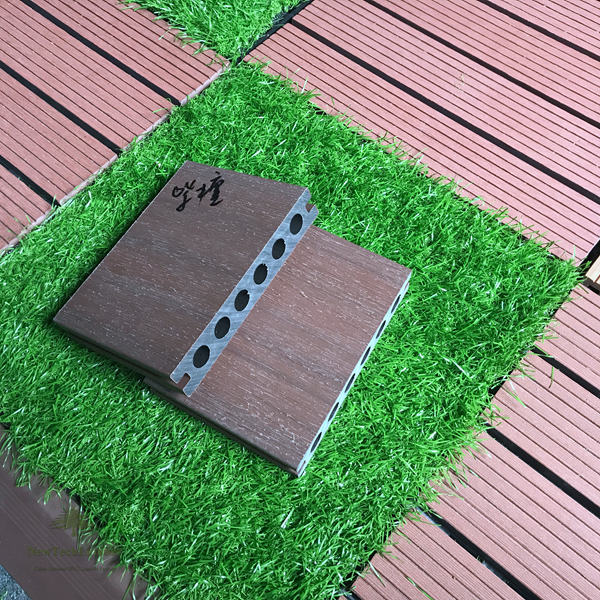
WPC wall panels and profiles often require customised packaging because their shapes and installation functions vary. Hollow profiles may need internal supports to prevent crushing, while decorative wall panels may require additional surface protection. Packaging engineers work with production teams and quality inspectors to create packaging drawings that match each product specification and loading plan.
Quality Control Checks Before Container Loading
Before shipment approval, quality inspection supervisors verify both product condition and packaging performance. Random cartons are opened to confirm that boards remain clean, dry, and correctly positioned. Measurements are checked against factory standards to ensure that packaging pressure has not affected product dimensions. Labels, batch numbers, and customer information are reviewed to support efficient overseas delivery and after-sales service.
Factories also inspect container loading methods because poor stacking can damage even high-quality packaging. Weight distribution, pallet spacing, and securing methods are planned carefully. Export specialists coordinate with logistics teams to reduce movement inside containers, helping WPC products reach distributors, contractors, and project sites in the same condition as when they left the factory.
Sustainable Packaging Solutions for Global WPC Markets
Sustainability has become an important consideration in WPC export packaging development. Many manufacturers are improving packaging designs by reducing unnecessary materials, using recyclable protective components, and optimising container space. Better packaging efficiency lowers transportation waste while maintaining reliable protection for outdoor building materials.
For international buyers, consistent packaging quality is closely connected with supplier reliability. A professional factory combines material knowledge, testing procedures, and engineering experience to deliver composite decking, wall panels, and profiles that are ready for installation after arrival. Careful packaging design supports long-term partnerships by reducing damage claims and improving confidence in global WPC supply chains.