
Sustainable Materials Behind Composite Deck Boards For Raised Garden Beds
Composite deck boards for raised garden beds have become a practical choice for projects that require long service life and responsible material selection. Outdoor WPC, or wood plastic composite, combines recycled wood fibres with recycled polymer materials to create boards that provide the appearance of timber while reducing reliance on newly harvested wood. This approach supports sustainable building practices because it makes productive use of recovered resources that might otherwise enter landfill streams.
For landscape designers, garden contractors, and sustainable building specialists, the material composition of WPC offers clear environmental advantages. Recycled wood content helps preserve forests by reducing demand for virgin timber, while recycled plastics give previously used materials a second application. The manufacturing process can be carefully controlled to produce consistent boards with stable dimensions, making them suitable for raised garden beds, outdoor planters, and other landscaping structures exposed to changing weather conditions.
Reduced Wood Consumption Through Modern WPC Technology
Traditional timber raised beds often require replacement after years of exposure to moisture, insects, and temperature changes. This repeated consumption of wood increases the need for additional raw materials and maintenance resources. Composite deck boards provide an alternative that lowers pressure on natural timber supplies while maintaining a warm, wood-like appearance that fits residential gardens, commercial landscapes, and public outdoor spaces.
WPC extrusion technology allows manufacturers to optimise the balance between wood fibres and polymer content, creating boards with reliable strength and improved resistance to outdoor conditions. For WPC formula development engineers and extrusion specialists, selecting appropriate recycled materials, additives, and processing methods is essential for achieving product stability. The result is a material that supports sustainable construction without sacrificing performance requirements for garden applications.
Long-Term Durability for Outdoor Garden Structures
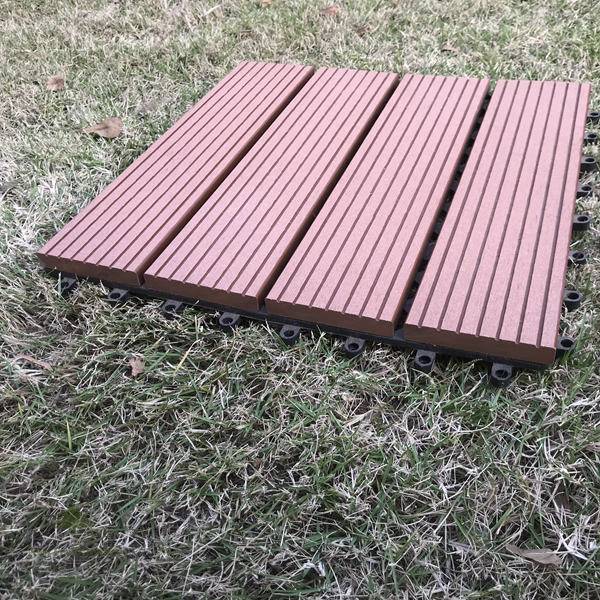
Durability is one of the main reasons composite deck boards for raised garden beds are recognised as an environmentally responsible option. A longer product lifespan means fewer replacements, less waste generation, and reduced demand for manufacturing new materials. Unlike untreated wood, WPC boards are designed to resist common outdoor challenges such as moisture absorption, fungal decay, and insect damage.
For quality control engineers and inspection supervisors, durability depends on consistent production standards, including material testing, profile accuracy, colour stability, and weather resistance evaluation. High-quality outdoor WPC products can maintain their structural performance for many years, helping landscape projects achieve lower environmental impact throughout their service life. This reliability also benefits installers and after-sales service teams because fewer repairs and replacements are required after installation.
Low-Maintenance Benefits Across Landscaping Applications
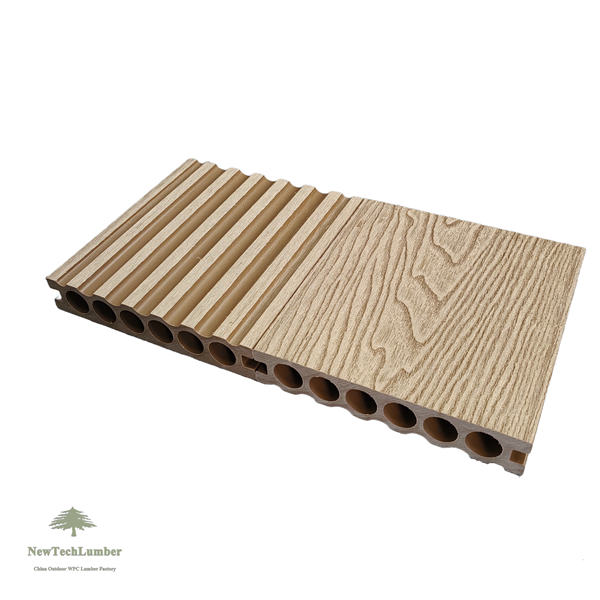
Raised garden beds made from WPC require less maintenance compared with many traditional wood alternatives. Timber often needs regular sealing, staining, or protective treatments to maintain its appearance and prevent deterioration. Composite boards typically require only basic cleaning with water and mild detergent, reducing the use of chemical coatings and maintenance products over time.
This low-maintenance characteristic is valuable for homeowners, landscape engineering consultants, and commercial property managers who need attractive outdoor solutions with practical upkeep requirements. The reduced maintenance workload also contributes to sustainability by lowering the consumption of cleaning chemicals, protective finishes, and replacement materials. For international markets, this combination of convenience and environmental value has increased demand for WPC products in gardens, parks, and architectural landscaping projects.
Design Flexibility and Sustainable Outdoor Development
Modern composite deck boards are available in a wide range of colours, textures, and surface finishes, allowing designers to create raised garden beds that match different architectural styles. Outdoor WPC can support contemporary urban gardens, eco-friendly residential developments, and large landscape projects where material performance and visual quality must work together.
Product designers and OEM specialists can customise board dimensions, profiles, packaging solutions, and surface treatments to meet specific project requirements. This flexibility helps manufacturers provide sustainable materials for global customers while maintaining efficient production and transportation practices. As the demand for environmentally conscious building products continues to grow, composite solutions demonstrate how recycled resources, reduced wood consumption, durable engineering, and simple maintenance can combine to support greener outdoor spaces.